Namibia’s National Youth Development Fund has reached N$422 million following an additional N$165 million mobilisation, with projects financed through the initiative generating more than 700 jobs in its first months of operation.
President Netumbo Nandi-Ndaitwah said the fund, initially capitalised with N$257 million, was established to address financing challenges faced by young entrepreneurs, particularly those unable to provide collateral to secure conventional business loans.
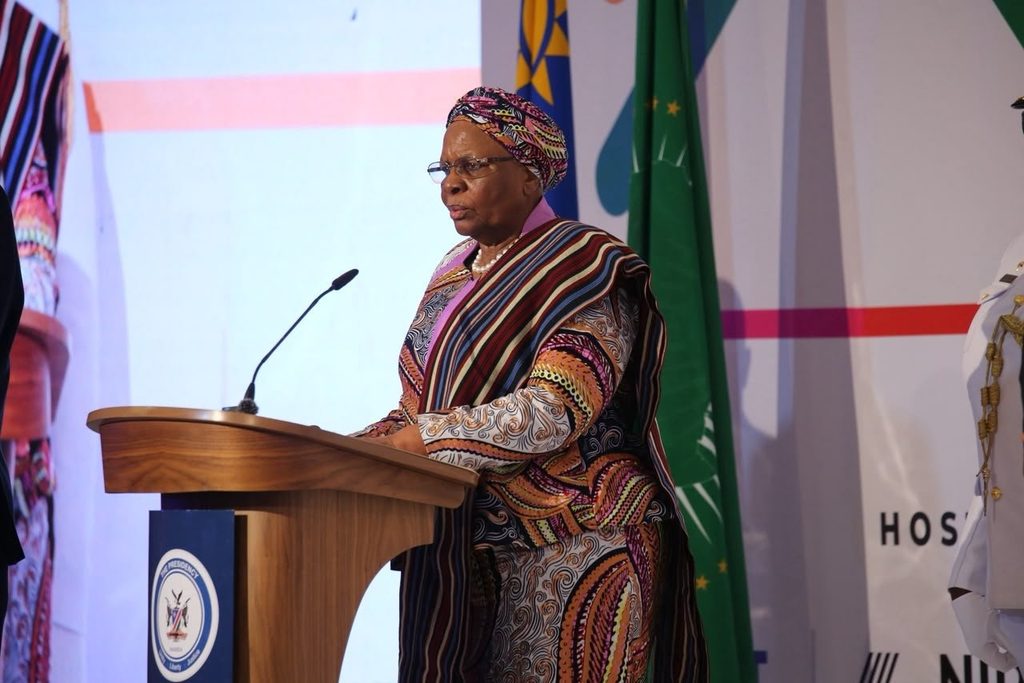
Speaking at the inaugural National Youth Trade Forum in Windhoek on Wednesday, Nandi-Ndaitwah said the additional funding was mobilised from the Namibia National Reinsurance Corporation.
“The fund is delivered through the Development Bank of Namibia, Agribank, NamPost and the Environmental Investment Fund, with the additional N$165 million mobilised from Namibia National Reinsurance Corporation,” she said.
The President said the fund provides collateral-free loans to support youth-owned businesses, expand entrepreneurship and create employment opportunities.
The financing initiative forms part of the government’s efforts to prepare young Namibian entrepreneurs to access regional and international markets, particularly through the African Continental Free Trade Area (AfCFTA).
The agreement provides access to a continental market of more than 1.3 billion people, offering Namibian businesses opportunities to expand beyond the country’s domestic market of approximately three million people.
Nandi-Ndaitwah said Namibia launched its first export consignment under the AfCFTA in 2025 and was implementing its National AfCFTA Implementation Strategy to increase participation in intra-African trade.
The government has also developed a step-by-step guide to assist micro, small and medium enterprises (MSMEs), particularly women- and youth-owned businesses, in understanding export procedures and meeting the requirements for trading under the agreement.
However, the President acknowledged that limited access to working capital, equipment, investment partners and market information continued to constrain the growth of youth-owned enterprises.
She said unfamiliarity with export procedures, certification requirements and international market standards also prevented many young businesses from expanding their operations.
Nandi-Ndaitwah urged young entrepreneurs to move beyond the domestic market and position their businesses to compete across Africa.
She said the 2023 Population and Housing Census showed that 71.1% of Namibia’s population was under the age of 35, highlighting the importance of youth participation in productive economic activities.
The President further revealed that the government had supported more than 3,000 MSMEs across all 14 regions through equipment and enterprise development programmes.
“The Youth Credit Scheme has trained over 1,000 young people in business management, while the 121 Rural Youth Enterprises Project has trained more than 400,” she said.
Nandi-Ndaitwah called on the private sector to increase procurement opportunities for youth-owned businesses and provide mentorship, investment and market access support.
She also urged young entrepreneurs to formalise their businesses, maintain proper financial records and comply with the standards required to compete in regional and international markets.