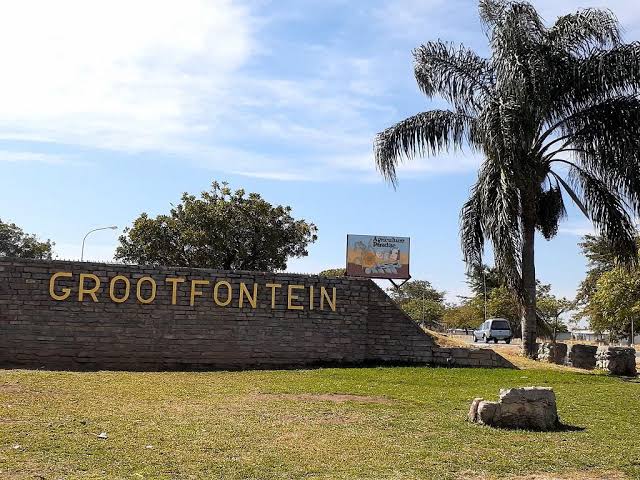
Grootfontein Municipality requires N$108.6 million to upgrade informal settlements as about 2,399 households continue to face inadequate access to water, sanitation and electricity, alongside insecure land tenure.
Chief Technical Services and Maintenance Officer Andreas Ipengelwa said limited funding, land grabbing, expanding informal settlements and shortages of critical professional skills were constraining the municipality’s ability to improve service delivery.
Ipengelwa made the remarks in a presentation to the Parliamentary Standing Committee on Urban and Rural Development and Land Reform.
The municipality listed funding requirements of N$26.58 million and N$81.99 million for Phase 1 and Phase 2 of its informal settlement upgrading programme, bringing the combined requirement to about N$108.6 million.
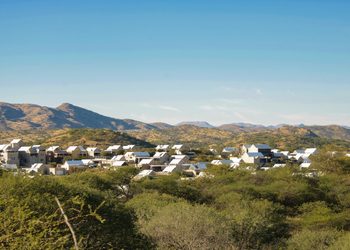
The presentation identified Blikkies and Kap and Bou among the municipality’s main informal settlement areas, which have expanded significantly over the past decade.
“Grootfontein has two main informal settlements, Blikkies and Kap and Bou, which have grown significantly over the past decade. The municipality had planned and surveyed the areas and created 3,000 residential erven for low-income households,” Ipengelwa said.
Despite the planning, residents continue to face limited access to water, sanitation and electricity, while insecure tenure, land grabbing and unauthorised occupation are complicating efforts to manage settlement growth.
At Kap and Bou, the municipality is working with the Namibia Housing Action Group and the Shack Dwellers Federation of Namibia under a memorandum of agreement to upgrade the settlement.
The area has been profiled and enumerated, while a private surveyor has completed planning and surveying work.
Electrification of the settlement had started but was subsequently placed on hold. The council has since resolved to begin realigning residents to their designated erven and implement the Flexible Land Tenure system.
The municipality also flagged ageing and insufficient vehicles and equipment as constraints, particularly for property inspections.
Other challenges include shortages of critical professional skills, budget constraints delaying projects and public health risks following a recent cholera outbreak in the community.
Non-compliance with conditions contained in deeds of sale between prospective property buyers and the municipality was also identified as a challenge to land administration.
Despite the constraints, the municipality reported completing several infrastructure projects between 2020 and 2026, including water and sewer services at Woodland, servicing at Omulunga Extension 6, a sewer pump station at Omulunga Extensions 7 and 8, electrical services at Extension 8, social housing and rehabilitation of the main sewer line and sewer pond.
Ipengelwa’s presentation showed that N$31.44 million had been invested across five infrastructure projects, while a broader six-project programme carried a listed value of N$32.91 million.
Several projects remain under construction. The Grootfontein fire station is 90% complete, while electrical services at Omulunga Extension 7 have reached 67%. Woodland infrastructure services have been completed and remain under the defects liability period.
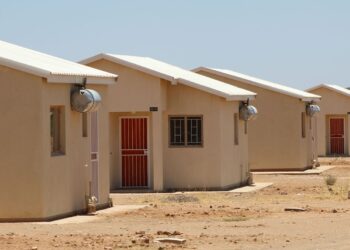
On housing, the municipality has constructed 65 social houses under the Build Together Programme, enabling residents previously living in single quarters to relocate.
Remaining residents have received land allocation letters and are expected to be relocated once the realignment process at the Reception Area is completed.
The municipality has also allocated 55 erven in Omulunga Extension 4 to private developers for housing construction, although several plots remain vacant.
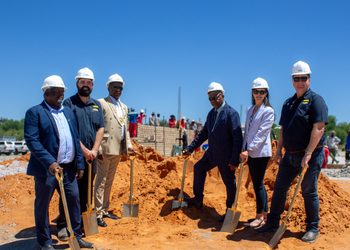
A separate Namibia-China bilateral development agreement provides for the construction of 200 social housing units in Grootfontein.
The municipality has identified and reserved 200 fully serviced erven in Omulunga Extensions 7 and 8 for the project.
Ipengelwa said planned interventions include accelerating the realignment of Kap and Bou residents, formalising tenure through certificates of occupancy and strengthening partnerships with development partners for technical and financial assistance.
The municipality is seeking support from the Ministry of Urban and Rural Development to formalise and upgrade informal settlements and address its infrastructure and service delivery constraints.