
The Namibian government has decided to fast-track the construction of four new public hospitals in Windhoek, Otjiwarongo, Nkurenkuru and Ondangwa, with the Development Bank of Namibia (DBN) having disbursed N$1 billion towards the projects.
Prime Minister Elijah Ngurare announced the decision during the International University of Management’s (IUM) 22nd Summer Graduation Ceremony in Windhoek.
“As you may be aware, our government has decided to expedite construction of four new modern public hospitals in Windhoek (Havana), Otjiwarongo, Nkurenkuru and Ondangwa,” Ngurare said.
The bulk of the N$1 billion disbursed by DBN has been directed towards the planned Windhoek District Hospital, while the remaining funds will support hospital developments in Nkurenkuru, Otjiwarongo and Ondangwa.
The planned Windhoek District Hospital, a 500-bed facility to be constructed in Havana, is expected to ease overcrowding at existing public hospitals and improve access to healthcare services in the Khomas Region.
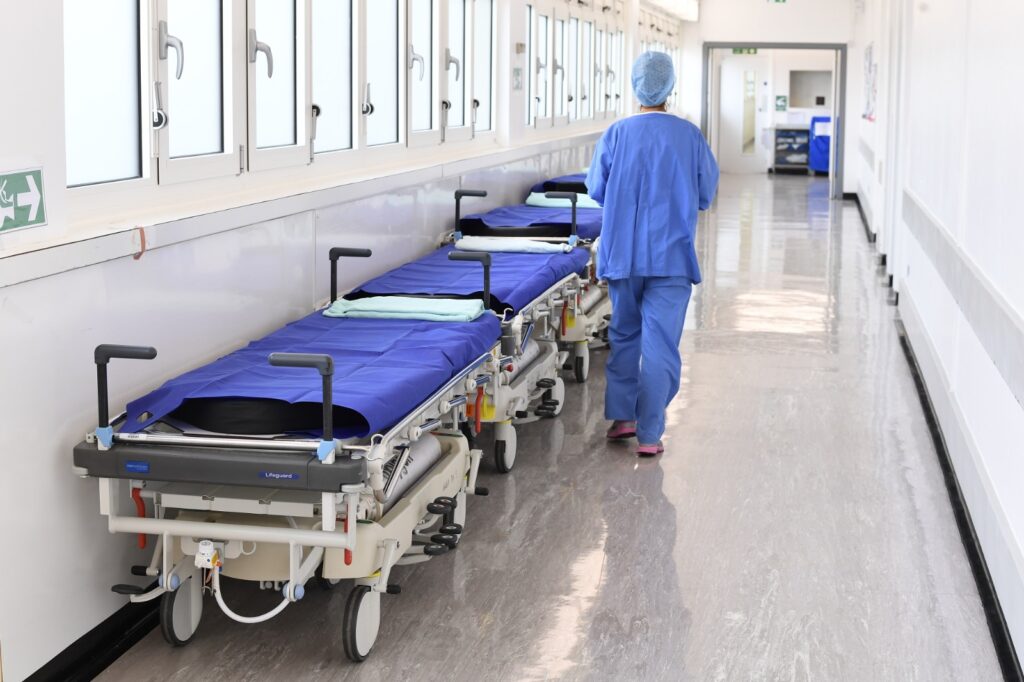
The investment comes as Namibia’s public healthcare system faces increasing pressure, particularly in the Khomas Region, where demand for hospital beds exceeds available capacity.
The four hospital projects form part of the government’s broader infrastructure development programme under the Sixth National Development Plan (NDP6), which identifies healthcare infrastructure and improved public service delivery as priorities.
The planned facilities will expand public healthcare infrastructure in the Khomas, Otjozondjupa, Kavango West and Oshana regions.
However, Ngurare did not disclose revised construction timelines or expected completion dates for the four hospitals.
Meanwhile, the Prime Minister welcomed plans by IUM to construct a hospital near Ondangwa, saying the investment would contribute to improved healthcare services in northern Namibia.
“It is notable therefore that IUM is planning to construct a Hospital near Ondangwa,” he said.
Ngurare said the planned IUM hospital would support improvements in patient care, treatment and healthcare management.
He commended the university’s leadership for its commitment to expanding healthcare infrastructure and contributing to Namibia’s health and development priorities.
The Prime Minister also welcomed the completion of IUM’s Swakopmund Training, Research and Conference Centre, highlighting its potential contribution to research and innovation.
He encouraged the university to strengthen links between academic research and industry, including developing commercially viable innovations and protecting intellectual property through patents.
Ngurare said universities should ensure that research projects respond to practical industry needs and contribute to national development.