…seeks government intervention
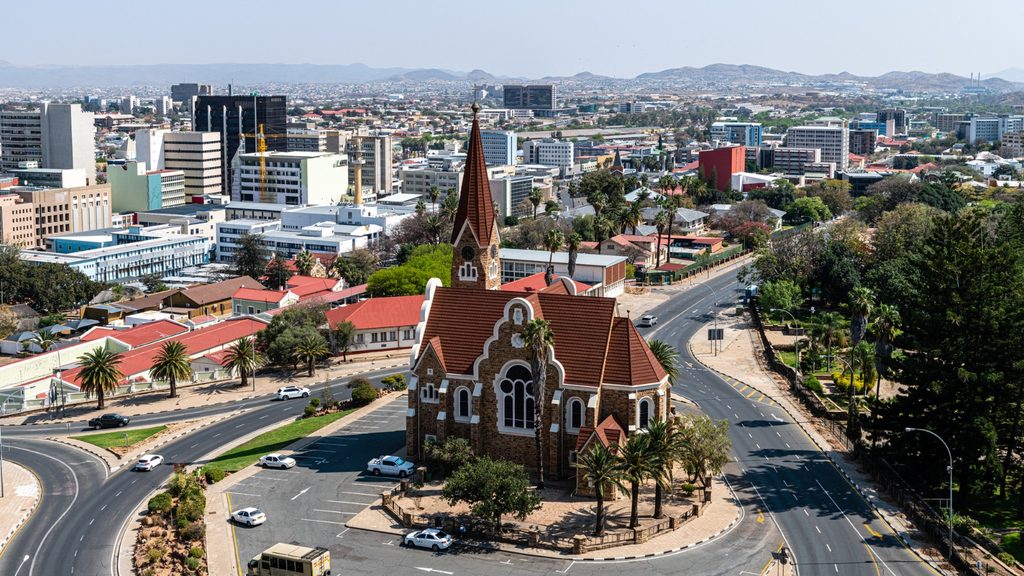
The City of Windhoek (CoW) has admitted that it is struggling to cope with an influx of approximately 12,000 new residents annually, warning that its limited financial resources can no longer keep pace with growing demand for housing, jobs and basic services.
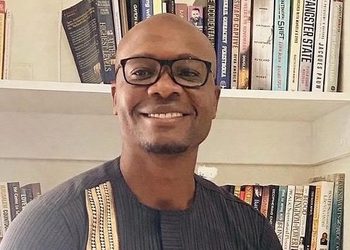
City of Windhoek Chief Executive Officer Moses Matyayi has appealed to central government for urgent financial support, saying the municipality cannot shoulder the growing cost of urbanisation alone as the capital’s population approaches 540,000.
“The city grows at about 12,000 residents that come to Windhoek and stay every year,” Matyayi told members of a parliamentary committee.
The rapid population increase has placed the municipality under growing pressure to expand housing, roads, water, sanitation and other essential infrastructure, while its revenue base remains largely dependent on approximately 70,000 ratepayers.
“Managing a local authority at this level has about 70,000 residents who are ratepayers. These are the ones who actually make up the budget that we speak about,” Matyayi said.
He warned that the widening gap between population growth and the municipality’s ability to finance infrastructure was making it increasingly difficult to meet residents’ needs.
According to Matyayi, Windhoek’s population has more than doubled over the past two decades, rising from just over 200,000 to an estimated 540,000 residents.
The Namibia Statistics Agency’s 2023 population figures placed Windhoek’s population at approximately 486,000, while the municipality’s projections indicate continued annual growth of between 3.3% and 3.6%.
This means the city must accommodate thousands of additional residents every year while simultaneously addressing existing infrastructure and service delivery demands.
Matyayi said the scale of the challenge had outgrown the municipality’s financial capacity, particularly when it came to social investments that do not generate sufficient revenue to recover their costs.
He called on central government to provide additional funding to help the municipality expand infrastructure and deliver essential services to rapidly growing communities.
The financial pressure comes as the municipality operates on an annual budget of approximately N$6 billion, against an asset base valued at N$30 billion.
Of the N$6 billion budget for the 2025/26 financial year, only about N$1 billion was allocated to capital development projects, leaving the municipality with limited resources to expand infrastructure amid rising demand.
The city’s financial position has also come under strain, with the municipality recording a deficit of approximately N$221 million in 2025 after accounting for depreciation, compared with a reported surplus of N$66 million in 2024.
Although liquidity has improved, Matyayi acknowledged that maintaining financial sustainability remains a major challenge.
The situation is particularly pressing in Windhoek’s informal settlements, where rapid population growth continues to increase demand for land, housing, water, sanitation and other basic services.
Matyayi disclosed that the municipality had issued approximately 29,000 occupation certificates to informal settlement residents in an effort to improve tenure security and facilitate future development.
The city is also considering introducing a N$100 charge linked to occupation certificates, with the revenue intended to support infrastructure investment in informal settlements.
However, Matyayi indicated that such measures would not be enough to close the growing infrastructure financing gap.
He maintained that central government intervention was necessary to help local authorities fund essential social infrastructure that could not be financed sustainably through municipal revenue alone.
Matyayi warned that the municipality could no longer operate under the same financial and administrative conditions that existed a decade or two ago, given the sharp increase in population and the scale of its responsibilities.
The appeal highlights the growing financial burden facing Windhoek, where a relatively small ratepayer base is expected to sustain municipal services for a population exceeding half a million people, while thousands more continue to settle in the capital each year.