Namibia’s emerging green energy and manufacturing projects will have to demonstrate financial viability, secure off-take agreements and present bankable feasibility studies to unlock investment, as the country pushes to turn its green industrialisation ambitions into operating businesses.
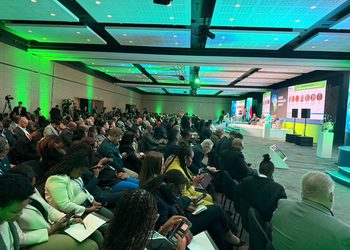
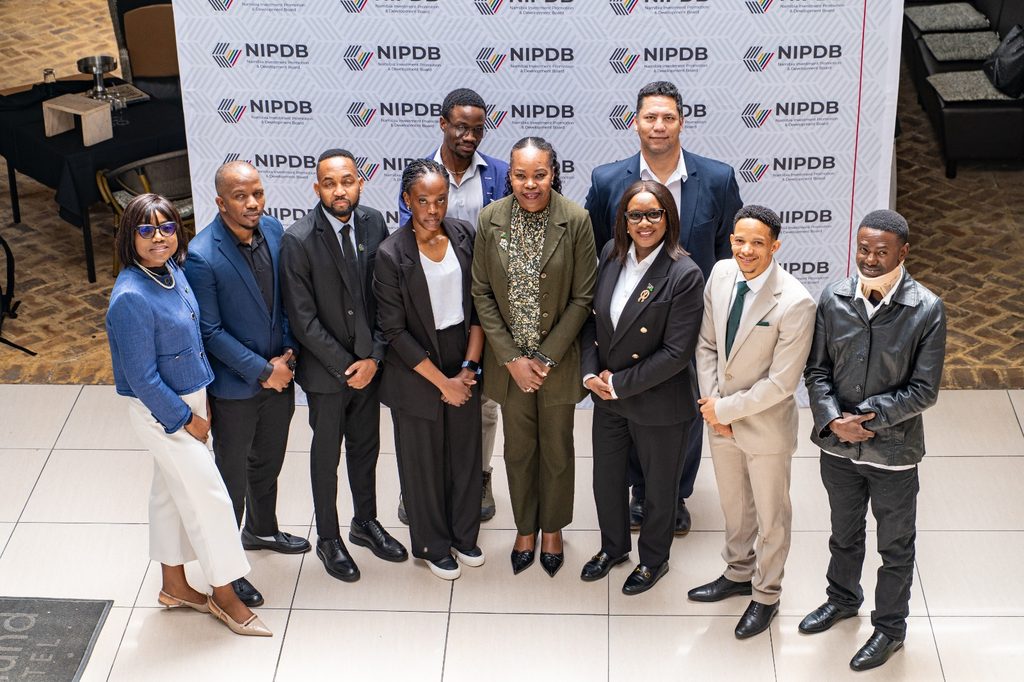
Investors and financiers laid out the requirements after assessing eight Namibian projects seeking capital, technology and strategic partners at an Investment Forum hosted by the Namibia Investment Promotion and Development Board (NIPDB) during the African Green Industries Summit in Swakopmund.
The projects span solar power generation, waste management and agricultural machinery manufacturing, with developers seeking financing to move from development towards implementation and scale.
EOS Capital’s Tom Vorster said Namibia’s green economy presents investment opportunities, but projects must meet basic commercial and legal requirements before investors commit capital.
“From an investor’s side, we look for projects that are legally sound, financially viable and backed by the right team,” Vorster said.
“A clear unique selling proposition, secured land or resources, and well-structured off-take agreements are critical. Equally important is how founders present their numbers and tell their story.”
Nedbank Namibia Corporate Relationship Manager Coastal Adri Spangenberg said renewable energy, mining and green manufacturing were attracting investor interest, but project developers needed to demonstrate that risks were understood and could be managed.
He said a bankable feasibility study covering technical, legal and financial aspects was critical to securing financing.
“Projects need to demonstrate clear revenue models, off-take agreements and a realistic implementation plan, often in phases,” Spangenberg said.
The requirements highlight the challenge facing Namibia as it seeks to attract investment into industries expected to emerge from its energy transition while ensuring local companies participate in the development.
Among the projects pitched to investors was Rehoboth Farming and Energy’s proposed REHO 40MW Solar PV Project.
Executive Director for Strategy, Operations and Partnerships Ruan de Waldt said the company was working towards making the project bankable.
“It confirms that our project is on the right track to becoming bankable and contributing to Namibia’s energy transition,” de Waldt said.
AgriTactic Machines also presented an agricultural machinery manufacturing project as it seeks international investment to expand its operations.
Research and Development Associate Klaudia N. Mwatile said feedback from financiers identified areas where the company needed to strengthen its feasibility work before approaching investors for further funding.
“The feedback from financiers was especially useful, as it highlighted how we can strengthen our pitch, improve our feasibility work and make the project more investment-ready,” Mwatile said.
“For a small company like ours, this exposure and practical guidance are important in helping us secure the funding needed to scale.”
NIPDB Acting Chief Executive Officer Julia Muetudhana said the Board was seeking to close the gap between identifying investment opportunities and getting projects implemented.
“Our role is thus to help bridge the gap between opportunity and implementation, and contribute towards creating an ecosystem in which viable projects can be realised,” Muetudhana said.
She said investment promotion should go beyond attracting capital and ensure local projects are connected with investors, technology and expertise capable of bringing them to scale.
NIPDB said Namibia will also need a predictable and conducive business environment to attract investment into green industries.
The Board said closer collaboration between government, businesses, project developers, financiers, investors and technology providers would be required to build a pipeline of viable projects capable of supporting economic diversification and employment creation.