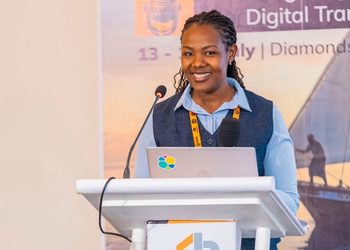
By Juanita Kavandara
The world of work is changing at an unprecedented pace. Artificial intelligence, evolving workforce expectations, rising costs, regulatory demands, and increasing performance pressures are reshaping how organisations operate. In this environment, Organisational Development (OD) has never been more important.
At its core, OD helps organisations turn strategy into results. It aligns people, culture, structures, processes, and leadership practices to ensure that organisational goals are not only defined but successfully executed.
From leadership development and performance management to change management and culture transformation, OD provides the foundation for sustainable organisational effectiveness.
Yet OD is often misunderstood as being limited to training programmes or employee wellness initiatives. In reality, its role is much broader.
Effective OD ensures that organisations have the right structures, capabilities, leadership, and culture to respond to change, improve performance, and remain competitive.
One of the most critical factors in successful organisational development is leadership commitment. Sustainable change and high organisational performance are achieved when leaders actively champion initiatives, communicate a clear vision and performance expectations, and consistently model the behaviours they expect from others.
While OD provides the frameworks, tools, and expertise to support transformation, it is leadership ownership and accountability that ultimately determine whether change and performance are embedded and sustained.
OD also plays a vital role in helping organisations navigate change. Whether introducing new technologies, restructuring operations, or responding to external pressures, organisations that involve OD early are better positioned to prepare employees, build readiness, and manage transitions effectively. This reduces resistance, strengthens engagement, and improves implementation outcomes.
Equally important is OD’s role in employee wellness and well-being. As organisations face growing workloads, resource constraints, technological disruption, and heightened performance expectations, employees are experiencing increasing levels of stress, burnout, fatigue, and mental health challenges.
While wellness programmes provide valuable support, sustainable well-being requires addressing the organisational factors that contribute to these challenges.
Through workforce planning, job design, leadership development, employee engagement, culture transformation, and change management, OD helps create healthier work environments where employees can perform, develop, and thrive.
In this regard, wellness is not only a Human Resources responsibility; it is a strategic organisational outcome that OD helps to shape and sustain.
In complex and highly regulated environments, particularly public institutions, and state-owned enterprises, OD must navigate regulatory requirements, governance structures, stakeholder expectations, organisational culture, bureaucratic processes, informal networks and competing organisational interests. This requires balancing strategic priorities with people-centred approaches while maintaining transparency, compliance, and institutional effectiveness.
As organisations continue to evolve, the value of OD extends beyond solving immediate challenges. It helps build leadership pipelines, strengthen employee capability, support workforce planning, and create cultures that can adapt to future demands. In this sense, OD is not merely a support function; it is a strategic enabler of organisational success.
For organisations seeking long-term sustainability, resilience, and high performance, OD deserves a place at the strategic table. When integrated into planning and decision-making processes, it provides the insight and capability needed to ensure that strategy, people, culture, and performance move in the same direction.
As Peter Drucker famously observed, “Culture eats strategy for breakfast.” Organisational Development ensures that culture, leadership, systems, and people are aligned to make strategy succeed. The future belongs to organisations that can adapt, learn, and grow, and OD is what makes that possible.
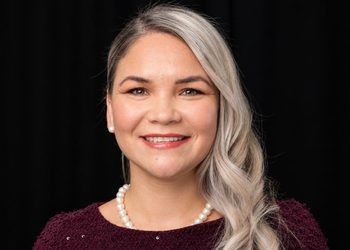
* Juanita Kavandara, Manager: Organisational Development and Learning. I am writing this in my personal capacity as an emerging thought leader, drawing on over 10 years of experience in organisational development and effectiveness