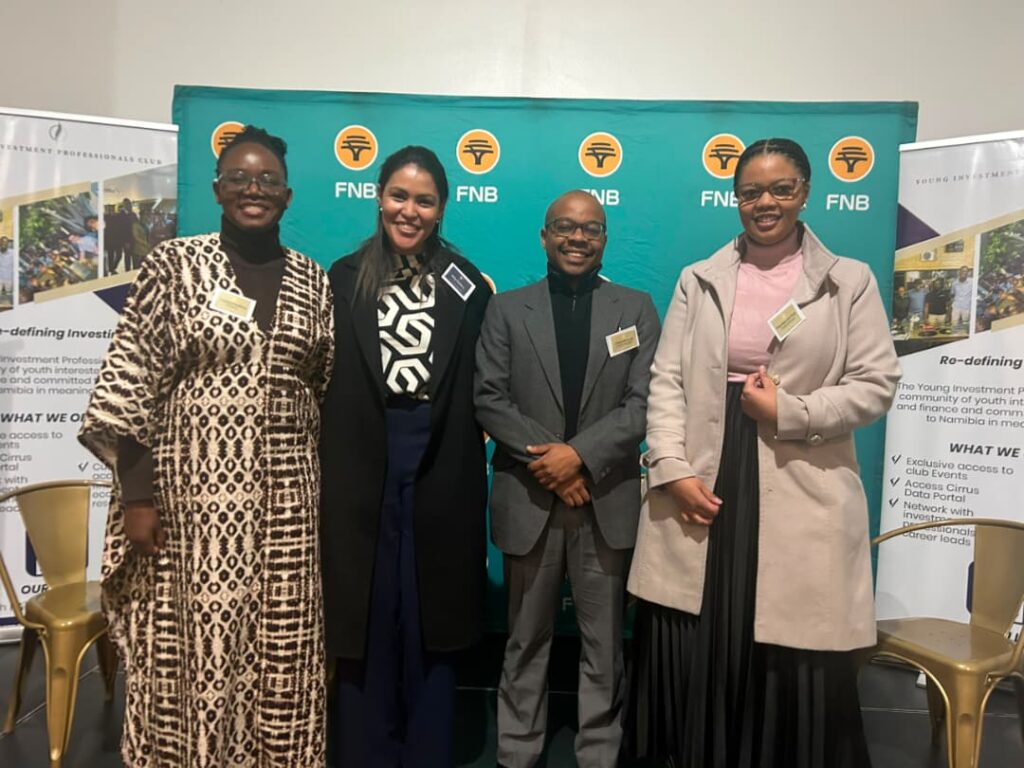
Young Namibians are facing mounting barriers to homeownership as rising property prices, higher borrowing costs and persistent housing supply constraints continue to push homes beyond the reach of many first-time buyers, panellists said during a Young Investment Professionals Club discussion.
The panellists said that while property remains an important long-term wealth-building asset, prospective buyers should consider the full cost of homeownership rather than focusing solely on monthly mortgage repayments.
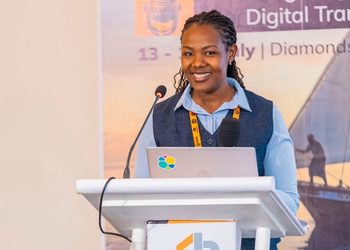
20Twenty Business Development Specialist Yvonne Mwillima said extending mortgage repayment periods may lower monthly instalments but significantly increases the total cost of a home over the life of the loan.
“Often we hear, as a solution to the affordability issue that we have in the country, ‘take out a 30-year loan’. It sounds wonderful. It sounds okay because then you can afford your dream house. But what is the cost associated with taking out a loan for 30 years?” Mwillima said.
She said a N$1 million home financed over 30 years at prevailing interest rates would ultimately cost more than N$3 million, compared with about N$2.2 million over a 20-year repayment period.
“The longer you take out a loan, the more expensive it becomes. You need to really understand the total cost of borrowing over the long term,” Mwillima said.
She urged prospective homeowners to treat property purchases as investment decisions rather than emotional ones, warning that buyers often underestimate additional ownership costs such as municipal rates and taxes, insurance, levies and maintenance.
“When a lender tells you that you qualify for a N$1 million house, consider buying below that amount. There are additional costs that come with owning a home,” she said.
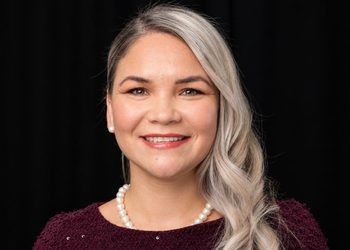
FirstRand Namibia Group Economist Cheryl Emvula said residential property no longer offers the same investment returns enjoyed by previous generations, as sharply higher property prices have reduced potential returns.
“I think if I were speaking to someone in their 30s about property as an investment, the first thing we have to address is that it is a poor investment at the moment,” Emvula said.
She said rental yields currently average between 8% and 10%, limiting the case for measures such as rent controls while also reducing returns for property investors.
“Compared with our parents, property prices are completely different. I’ve seen houses in Khomasdal selling for between N$2 million and N$3 million,” Emvula said.
FirstRand Namibia Market Research Manager Mandisa van Wyk said housing demand is expected to remain strong, driven by continued population growth and urbanisation, but improving affordability will require addressing long-standing supply constraints.
“There needs to be improvement in land servicing. There needs to be greater participation, especially from the private sector, and we need policies that support affordable housing and improve access for buyers, particularly first-time buyers,” Van Wyk said.
She added that a stable interest rate environment, together with stronger collaboration between the public and private sectors, would be critical to improving affordability and unlocking growth in Namibia’s residential property market.
“The opportunity is there, but unlocking it will require coordinated action across both the public and private sectors,” Van Wyk said.