Our children will not inherit our money. They will inherit our habits.
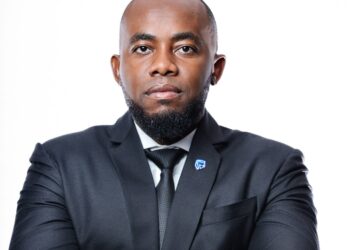
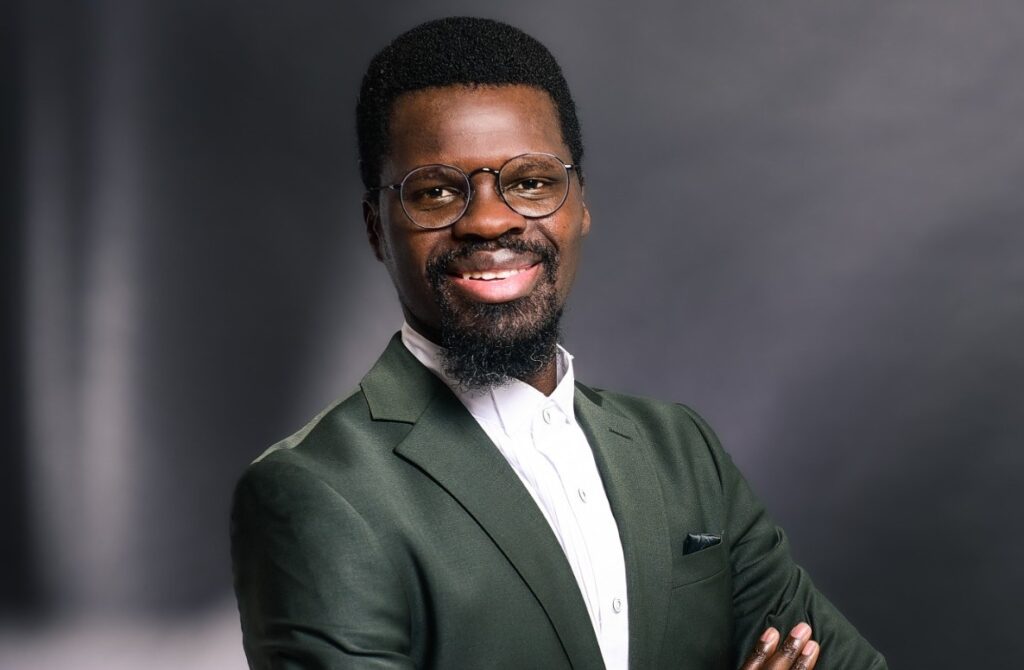
By Erastus Kalenga Hamunjela
Most of us grew up financially blind, because nobody ever sat us down and explained how money actually works.
We were not taught what debt really costs over time, how compound interest can either build us or slowly bury us, or why a bank pays us almost nothing on our savings while lending that same money out at a profit.
We left school able to solve equations we would never use again, yet we stepped into adulthood unable to read a payslip.
So we did what uninformed people tend to do. We spent everything we earned and confused the appearance of wealth with the reality of it.
We bought cars we could not afford on terms we did not understand, and signed up for policies because someone convinced us to rather than because we knew what they were. We took on debt to plug the gaps, and then more debt to service the debt we already had.
Many of us are still there today, earning perfectly decent salaries and yet drowning, month after month.
The real tragedy is that, unless we do something deliberate about it, this will become our children’s story too. They are always watching, and they absorb our financial habits long before they ever earn a cent of their own.
They learn from the arguments about bills, from the panic before month-end, and from watching us swipe a card for things we cannot actually pay for. So we are not merely failing to teach them.
We are actively teaching them the very habits that trapped us, and that is the real inheritance most of us are preparing to hand down. Not money, but habits, and in far too many cases, debt.
We have to break this cycle, and we have to do it on purpose, because a cycle like this never breaks on its own. The encouraging part is that doing so is neither complicated nor dependent on being wealthy.
What it really requires is intention. It begins with talking to our children about money instead of hiding it from them, which means letting them see how a budget works and explaining why we say no to certain things.
It means teaching them the difference between a need and a want before the world teaches them to want everything, and giving them a small allowance so they make their mistakes early, with small amounts, rather than later with amounts large enough to ruin them.
But there is something even more powerful we can do, and it is something almost none of us had done for us. We can start investing for them from the day they are born.
With some providers you can open an investment account for a child and contribute as little as N$300 a month, which for many of us is less than what we spend on things we will not even remember by month-end. Left to grow across eighteen years, that small and consistent amount becomes something remarkable.
At a realistic long-term return, N$300 a month can grow into roughly N$180,000 to N$227,000 by the time a child turns eighteen, despite only around N$64,800 having actually been contributed. Stretch it to twenty-one, and the same discipline can reach between N$255,000 and N$338,000.
It is worth pausing on what that actually means. It is the difference between a young adult stepping into the world burdened by debt or nothing at all, and one who begins with a real foundation beneath them.
That might be money for further education, capital to start a business, or simply a cushion generous enough that their first financial mistake does not define the rest of their life.
That is what compound interest does when you give it enough time, and children hold the one asset the rest of us are always short of, which is time.
The eighteen years we so often waste are precisely the years that would have done the heavy lifting for them.
Perhaps the most valuable part is not even the money, but what the child absorbs simply by watching it grow.
A young person who sees an investment build slowly throughout their childhood grows up understanding patience, consistency and ownership in a way no single classroom lesson could teach. That account becomes their first real teacher.
They arrive at adulthood not merely holding some capital, but carrying the mindset needed to protect it and grow it further, which is ultimately what separates the people who keep wealth from those who lose it.
We cannot go back and change how we were raised, but we are entirely free to decide how we raise them.
The choice comes down to whether we hand our children the same blindness and the same slow march into debt that we inherited, or whether we give them the two things we were so rarely given.
An understanding of money, and a foundation solid enough to stand on. It costs little more than an honest conversation and as little as N$300 a month or even N$100, and yet it could change the entire trajectory of a life.
The debt we are handing our children, then, is not only a financial one. It is a debt of knowledge, the understanding we were never given and are now at real risk of never passing on. We build the foundation at home, and they carry it with them for life. That is how a cycle like this one finally breaks.
*Erastus Kalenga Hamunjela is a Namibian investment researcher and financial markets commentator with a strong focus on capital markets, investment literacy, and data driven financial education.
For Educational Investments, Business Consultation & Collaborations: erastuskalengier@gmail.com
Disclaimer: The information provided in this article is for educational and informational purposes only. It does not constitute financial, investment, legal, or professional advice. Readers should not rely on this content as the sole basis for making investment decisions and are encouraged to seek independent professional advice before acting on any information contained herein.