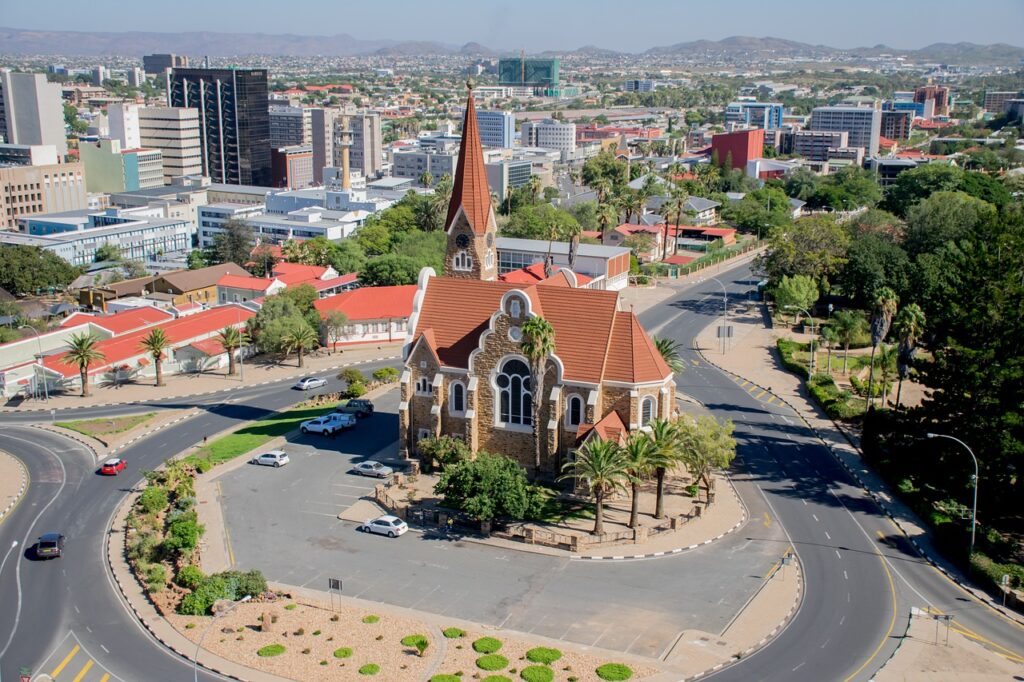
Namibia has been ranked the world’s second-best performer for attracting greenfield foreign direct investment (FDI) relative to the size of its economy, according to the fDi Intelligence Greenfield FDI Performance Index 2026.
The ranking places Namibia first in Africa and second globally out of 98 countries assessed, behind only the United Arab Emirates. Rwanda ranked third globally, followed by Qatar, while Zambia and Botswana also featured in the global top 10.
The index measures how successfully countries attract new greenfield investment projects compared to the size of their economies. Greenfield FDI refers to investments where companies establish new operations or subsidiaries in another country rather than acquiring existing businesses.
Namibia recorded an index score of 7.74, compared to the UAE’s 19.21, with Rwanda scoring 6.99, Qatar 5.44, Zambia 4.05 and Botswana 3.90.
According to fDi Intelligence, the Middle East and Africa were the strongest-performing regions globally in attracting foreign direct investment relative to the size of their economies.
Namibia Investment Promotion and Development Board (NIPDB) Acting Executive for Competitiveness and Branding Catherine Shipushu said Namibia’s performance demonstrates the country’s growing competitiveness in the global investment landscape and its ability to attract a greater share of international investment projects than its economic size would ordinarily suggest.
Shipushu said the ranking reflects increasing investor confidence in Namibia and highlights government’s efforts to create an environment where investors can establish and grow businesses while contributing to long-term economic development.
In 2025, Namibia secured 16 greenfield FDI projects, the country’s second-highest annual total after the 19 projects recorded in 2024.
Among the projects contributing to the performance were Nopal Carbon Farming’s approximately N$66 million investment in carbon farming and biofuel production, the Kokoseb Gold Project’s N$381 million investment towards mine development, ISPS Solar Operations Namibia’s N$180 million investment in a 10.75 MW solar photovoltaic plant supplying electricity to mining operations, and Kudu Biomass’ N$120 million biomass processing facility.
Shipushu said the level of investment activity demonstrates Namibia’s ability to outperform much larger economies in attracting new investment projects.
She said investor interest has been driven by the country’s political stability, strategic location, natural resource base and opportunities in sectors including renewable energy, mining, mineral beneficiation, agriculture, logistics, manufacturing and tourism.
Shipushu added that major offshore oil and gas discoveries in the Orange Basin, together with Namibia’s green hydrogen ambitions, have further strengthened the country’s appeal to international investors.
She also highlighted recent reforms aimed at improving the investment climate, including Namibia’s removal from the Financial Action Task Force (FATF) grey list in June 2026, the establishment of the Namibia Regulators Forum to improve regulatory coordination, and commitments announced through the Namibia Public Private Forum, including plans for a five-year investor visa.
However, Shipushu said Namibia must continue addressing structural challenges to sustain its investment momentum.
She said priorities include improving regulatory certainty, reducing regulatory barriers, strengthening infrastructure and public service delivery, accelerating digital transformation, improving skills development, expanding access to finance for micro, small and medium enterprises, and supporting greater private sector participation.
Shipushu said these reforms would help position Namibia as a more competitive, resilient and investor-ready economy while maximising the long-term benefits of foreign investment.