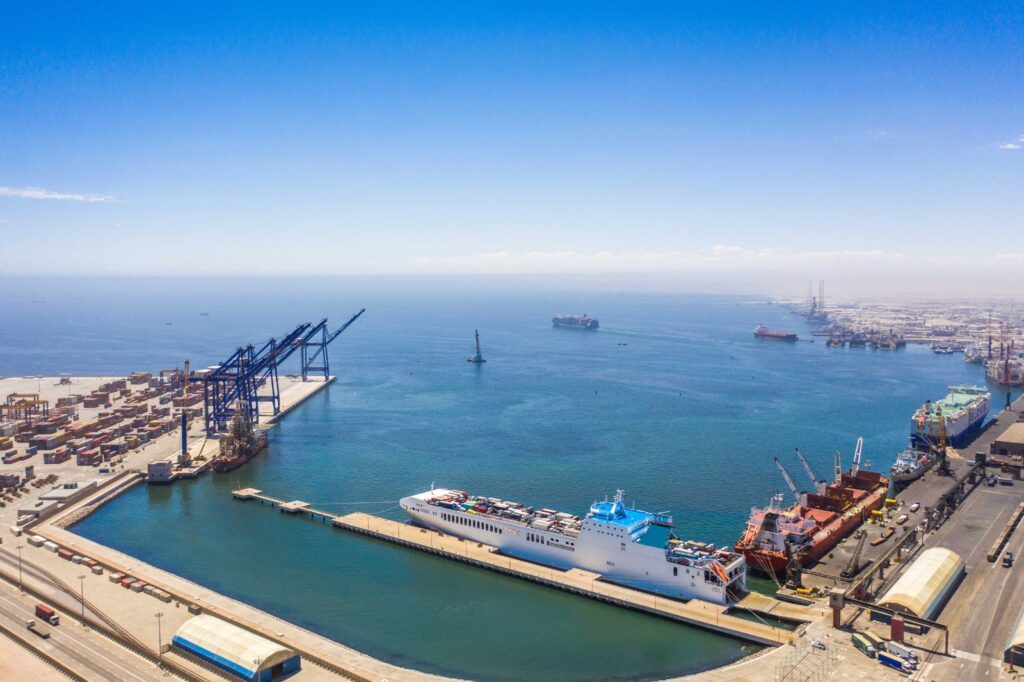
Cabinet has approved the establishment of the headquarters of the Walvis Bay-Ndola-Lubumbashi Development Corridor Management Committee (WBNLDCMC) in Windhoek and endorsed a new user-pay cargo levy, reinforcing Namibia’s strategy to position the Port of Walvis Bay as a leading regional trade and logistics gateway.
The approval paves the way for the signing of a Headquarters Agreement between the Government of Namibia and the WBNLDCMC, providing the legal framework for the regional corridor management body to operate from Windhoek.
Cabinet also authorised Jonas Sheelongo, Executive Director of the Ministry of Works and Transport, to sign the agreement on behalf of the Namibian government.
“Cabinet approved the Headquarters Agreement between the Government of the Republic of Namibia and the Walvis Bay-Ndola-Lubumbashi Development Corridor Management Committee (WBNLDCMC) to provide landlocked countries of Zambia and the Democratic Republic of Congo access through Namibia’s territory to the Port of Walvis Bay with a view to facilitating regional integration and cross-border trade. In addition, Cabinet authorised Mr Jonas Sheelongo, Executive Director of the Ministry of Works and Transport, to sign the Headquarters Agreement on behalf of the Government of the Republic of Namibia,” the Cabinet decisions of the 21st Cabinet meeting held on 7 July 2026 stated.
The agreement strengthens Namibia’s role in facilitating trade for Zambia and the Democratic Republic of Congo by improving governance of one of Southern Africa’s key transport corridors linking the Port of Walvis Bay to the Copperbelt and the mineral-rich Katanga region.
The decision follows plans announced earlier this year to operationalise the corridor secretariat in Windhoek as part of efforts to improve cross-border logistics, reduce transport bottlenecks and enhance cargo movement along the route.
Speaking at the 14th Tripartite Council of Ministers meeting in Swakopmund in March, Works and Transport Minister Veikko Nekundi said Namibia had completed the preparatory work required to host the secretariat, including the development of a roadmap, a headquarters agreement and a funding framework by a task team comprising the Ministry of Works and Transport, the Roads Authority, the Namibia Revenue Agency and the Walvis Bay Corridor Group.
To finance the long-term operations of the corridor management structure, Namibia will introduce a 90-cent-per-tonne user-pay levy on all cross-border cargo transported along the corridor.
The levy is expected to provide sustainable funding for the management of the corridor while supporting initiatives to improve transport efficiency, trade facilitation and regional economic integration.
The Walvis Bay-Ndola-Lubumbashi Corridor is one of Southern Africa’s principal trade routes, providing landlocked Zambia and the Democratic Republic of Congo with direct access to the Atlantic Ocean through the Port of Walvis Bay.
The corridor is regarded as strategically important for the export of copper, cobalt and other minerals, as well as the movement of fuel, agricultural products and containerised cargo across the region.