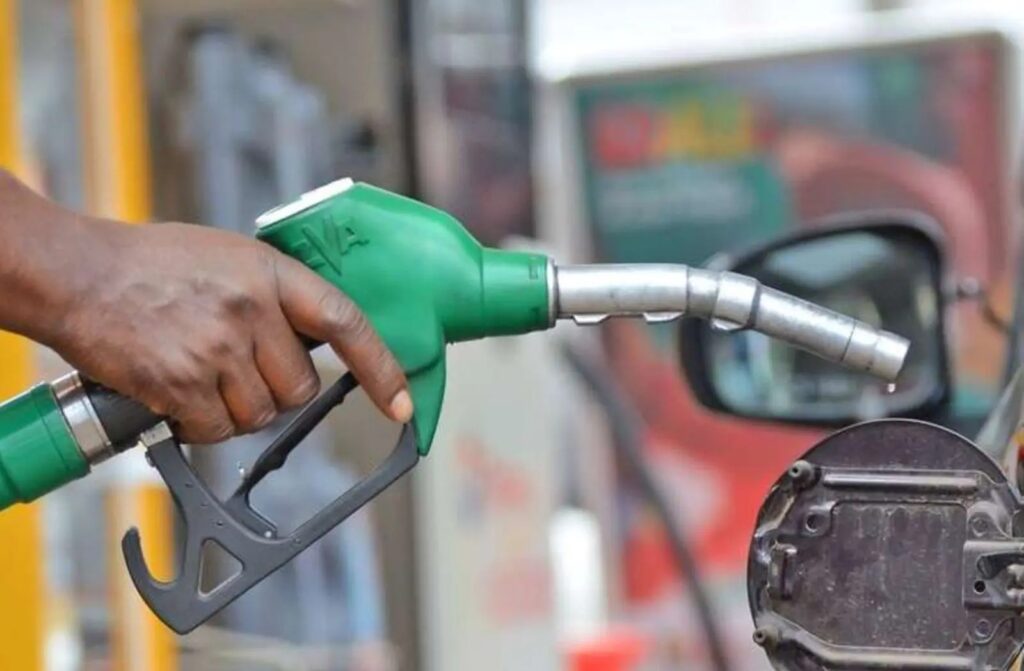
Namibia will increase fuel prices by up to N$4.63 per litre from midnight on 8 May 2026, as government moves to contain mounting under-recoveries caused by rising global oil prices, geopolitical tensions in the Middle East and escalating fuel import costs.
Announcing the latest fuel price review in Windhoek on Thursday, Minister of Industries, Mines and Energy Modestus Amutse said petrol prices in Walvis Bay will increase by N$1.40 per litre, while both diesel 50ppm and diesel 10ppm will rise by N$4.63 per litre.
The new Walvis Bay pump prices will therefore increase to N$23.48 per litre for petrol 95, N$28.26 per litre for diesel 50ppm and N$28.36 per litre for diesel 10ppm. Prices across the rest of the country will be adjusted according to transport differentials.
The ministry said the increases follow sustained pressure from international crude oil prices, rising freight and insurance costs, fuel procurement premiums and exchange rate fluctuations between the Namibia dollar and the US dollar.
As of 30 April 2026, provisional under-recoveries stood at N$2.81 per litre for petrol, N$9.74 per litre for diesel 50ppm and N$9.68 per litre for diesel 10ppm.
Government said Namibia continues to maintain adequate fuel stocks and that there is currently no immediate risk of shortages.
“The fuel supply chain remains operational and stable, with sufficient stockholding levels maintained by Oil Marketing Companies to meet national demand,” Amutse said.
Government also announced that it will absorb about N$1.3 billion through the National Energy Fund (NEF) to cushion consumers and offset under-recoveries and supplier premiums for April and May 2026.
This includes N$805 million to offset April under-recoveries and associated fuel premiums, as well as an additional projected N$490 million for May.
According to the ministry, fuel procurement premiums charged by international suppliers currently range between N$0.50 and N$2.00 per litre above normal landed fuel costs into Walvis Bay, adding an estimated N$300 million burden over the two-month period.
To reduce the impact on consumers, government has also temporarily reduced or suspended selected statutory fuel levies by up to 50% for three months from 1 April 2026.
The intervention currently amounts to about N$2.03 per litre under the fuel pricing structure.
Government further confirmed that it will continue subsidising fuel transportation costs to rural and remote areas through the Fuel Equalisation Fund, at an estimated cost of N$13 million per month.
Authorities also warned against panic buying and fuel hoarding following increased demand at service stations after the previous fuel price adjustment implemented in April.
The ministry said Namibia currently has sufficient fuel stocks for the next three months and urged motorists to continue purchasing fuel according to normal consumption patterns.
As part of temporary demand management measures, service stations have been instructed for the next three months to only refuel directly into vehicle tanks, with the filling of drums, cans and other containers prohibited unless customers hold a Consumer Installation Certificate.
Government warned that anyone violating the directive could face enforcement action under the Petroleum Products and Energy Act.