Mandatory vehicle branding requirements are proving to be the biggest obstacle in government’s efforts to regulate Namibia’s rapidly expanding e-hailing sector, with operators resisting rules that require them to permanently mark vehicles often used for private purposes.
Works and Transport Minister Veikko Nekundi told parliament that compliance with branding regulations remains low, despite the legal requirement for all permitted vehicles to display identifying details.
“Once you have a permit, it is prescribed that your car must have your letters on. Kalangula, John Andreas, ERF number, it must be written. Because you have a BMW or a Prado, you don’t want it to be written on it,” he said.
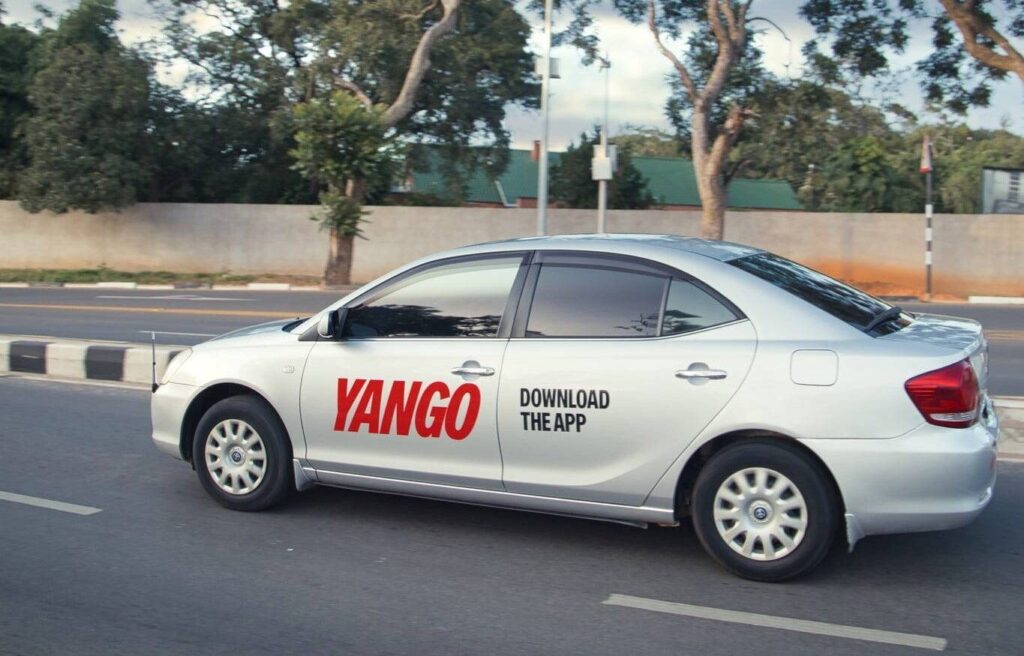
Under current regulations, operators must display their name and ERF number on vehicles to allow for traceability and enforcement, a provision that has met resistance from drivers who use the same cars for personal transport.
Nekundi said the challenge is compounded by broader non-compliance, with some applicants failing to meet basic permit requirements.
“If for example Kalangula has applied for the application, there are things that you must submit, including the certificate of good conduct, you must make the payment. They were unwilling, and some of them were unwilling to provide the certificate of good conduct,” he said.
The Ministry of Works and Transport maintains that permit applications are processed within the prescribed three-month period, but has introduced a temporary permit option to ease operational delays.
“If you think that three months to wait is too long, you can then apply for a temporary permit which will give you on the spot. It takes less than 24 hours to get your temporary permit,” Nekundi said, referring to the N$850 daily permit available to operators.
Government is now moving to tighten the system further by reducing the maximum processing period to 14 days and decentralising approvals to regional and local authorities.
“From the six lower ends of three months to bring the maximum for 14 days and also to decentralize, both for local authorities and for the regional authorities, if you are only applying for Ongwediva or Ondangwa, then that is then addressed by a committee that is only constituting for that local authority. If you are transporting from Windhoek to Katima, then it will be adjudicated by the national board because we are now transiting on the national parameter,” he said.
The renewed enforcement drive follows a March 2026 directive giving e-hailing operators 56 days to comply with national transport regulations, after an urgent meeting in Windhoek between regulators, platform operators and drivers.
The directive, issued after a joint engagement led by Information and Communication Technology Minister Emma Theofelus and Nekundi, requires operators to meet compliance standards within 28 days, followed by a further 28-day verification period before enforcement begins.
Theofelus said while government acknowledges the role of e-hailing services in improving access to transport and driving innovation, operators will be required to comply fully with existing laws as the sector is brought under formal regulation.