Namibia will require an estimated N$1.5 billion, in addition to the N$57.5 million already approved by Cabinet, to strengthen prevention and preparedness measures against Foot-and-Mouth Disease (FMD), Agriculture, Fisheries, Water and Land Reform Minister Inge Zaamwani has revealed.
Zaamwani told the National Assembly that the additional funding is necessary to protect a livestock sector valued at N$15 billion and to preserve Namibia’s access to international export markets amid rising regional disease risks.
The proposed N$1.5 billion investment is aimed at scaling up surveillance, response capacity and biosecurity interventions to maintain Namibia’s FMD-free status and safeguard the livestock sector from regional disease threats.
The minister briefed lawmakers on the country’s preparedness as outbreaks of FMD continue to affect parts of the Southern African Development Community (SADC) region.
She said recurring outbreaks have been recorded since 2019, particularly in South Africa, which lost its FMD-free status as recognised by the World Organisation for Animal Health.
The latest development follows the confirmation of a new case on 8 February 2026 in Nkuruman in South Africa’s Northern Cape, approximately 400 kilometres from the Namibian border. Botswana has also reported an outbreak within its FMD-Free Zone 6b.
Zaamwani said these developments increase the risk of transboundary transmission through both formal and informal livestock movements, noting that the Northern Cape borders the //Kharas and Hardap regions, bringing the threat closer to Namibia’s southern livestock production areas.
She warned that the elevated risk poses significant implications for Namibia’s FMD-free status, the livestock and meat export industry, revenue generation, employment and food security.
“In view of this increasing proximity and intensity of risk, Namibia must urgently and aggressively accelerate its prevention and preparedness measures. Preliminary estimates indicate that an investment of approximately N$1.5 billion will be required over and above the already approved N$57 million in order to adequately protect a livestock sector valued at N$15 billion and preserve the country’s vital market access,” Zaamwani said.
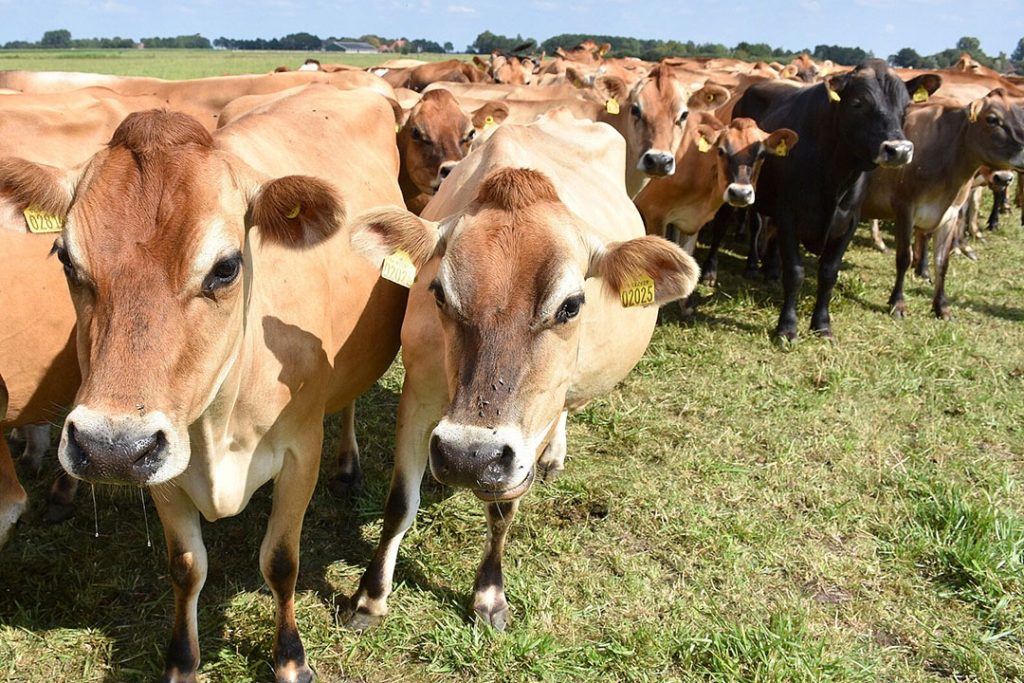
FMD is a highly contagious transboundary animal disease affecting cloven-hoofed animals. The introduction of the virus into Namibia would trigger immediate restrictions on the export of meat and meat products and could result in prolonged disruptions to international markets, with the meat industry contributing billions of dollars to national trade and economic stability.
Government has introduced a range of preventative and risk mitigation measures, including the suspension and strict control of imports of cloven-hoofed animals and related products from affected areas and from non-export-approved establishments.
The ministry has also intensified inspections and vehicle searches at border posts to prevent the illegal movement of high-risk animal products. Human resource capacity has been reinforced, with 23 Directorate of Veterinary Services officials permanently deployed at various border posts and a further 29 officers mobilised to support frontline operations.
Of these, 16 were deployed through the Livestock and Livestock Products Board of Namibia and 13 were seconded from other offices, while plans are underway to deploy an additional 28 officials.
The Directorate of Veterinary Services continues to issue public notifications to ensure rapid communication of disease risks, control measures and movement restrictions.
“Awareness campaigns have been conducted in high-risk regions in collaboration with livestock industry stakeholders. The Ministry is also engaging the Namibian Defence Force and NamPol through their oversight ministries to strengthen coordinated enforcement,” Zaamwani said.
The ministry said future prevention measures will include re-zoning and further strengthening of border biosecurity systems.