While temporary imports of foreign vehicles can help meet peak demand, they should not come at the expense of Namibian businesses, industry leaders and government officials have cautioned, as rising demand for shuttle and car rental services continues to expose capacity constraints in the local market.
Gitta Paetzold, Chief Executive Officer of the Hospitality Association of Namibia, said strict regulation is essential to protect local operators and ensure fair competition within the tourism and transport sectors.
She said all tourism-related businesses, including shuttle service providers, are regulated under the Namibian Tourism Act and are required to register with the Namibia Tourism Board.
“All tourism-related businesses, including accommodation providers, tour operators and shuttle operators, must be registered with the Namibia Tourism Board to ensure they comply with guidelines and maintain quality assurance,” Paetzold said.
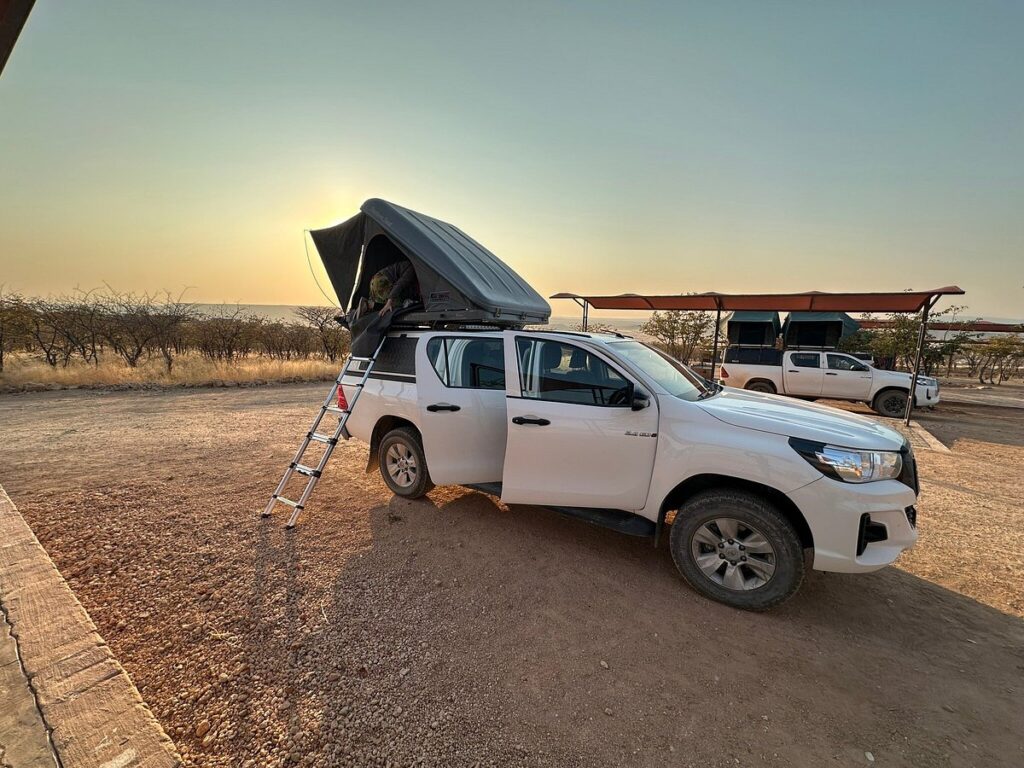
Paetzold acknowledged that Namibia’s relatively small market can face fleet shortages during peak travel periods, making temporary use of foreign-registered vehicles unavoidable in some instances.
“In high season we do not always have enough capacity. In those cases, operators must apply for special permits with the Roads Authority and the NTB to obtain temporary licences,” she said.
However, she warned that allowing unregulated foreign operators into the market undermines Namibian businesses, reducing value addition and job creation.
“All local shuttle operators register and rely on fair business opportunities. It is unfair when other operators enter the market without following the rules and regulations of our authorities,” Paetzold said.
Minister of Works and Transport Veikko Nekundi outlined the legal framework governing the operation of foreign-registered vehicles in Namibia, drawing a distinction between private use and commercial transport.
“If you bring a vehicle into Namibia for private travel, you only need a cross-border permit,” Nekundi said. “But if you are transporting people or goods within Namibia for commercial purposes, you need a carportage permit.”
He said Namibian-registered shuttle companies using foreign-registered vehicles must comply with permit requirements and are prohibited from picking up passengers domestically without authorisation.
“That vehicle cannot pick up passengers unless it has the proper permit. A driver may have a cross-border permit for personal use, but domestic transport for reward requires a carportage permit,” Nekundi said.
Nekundi said domestic transport for reward is tightly regulated to ensure local businesses remain competitive. Foreign vehicles may only operate temporarily under permit systems and for clearly defined purposes, such as cross-border transport.
“All you need a carportage permit for is when you are using a vehicle to pick up a person or an object from one point in Namibia and drop it at another point within the same jurisdiction. That is not otherwise allowed,” he said.
Both Paetzold and Nekundi said compliance with the permit system is critical to maintaining the integrity of Namibia’s transport and tourism sectors.
“We fully support measures to ensure the right quality of service is provided and that Namibian businesses benefit before foreigners take over,” Paetzold said.
Nekundi added that Namibia’s regulatory approach aligns with international practice.
“You can go to South Africa, the same law applies. You can go to Botswana, the same law applies. This is not just Namibian law; it is standard across other states,” he said.