By Dr.Tuwilika Nafuka and Dr. Eric Niyongira
Kigali did not host another conference; it hosted a signal. The Africa HealthTech Summit 2025 gathered ministers, innovators, funders, and implementers around one question: how will Africa integrate digital health into the pathway to Universal Health Coverage (UHC), and who will shape that future?
In the words of Mr. Jean-Philbert Nsengimana, Chief Digital Health Advisor at Africa CDC: “Africa is not waiting. We are leading.”
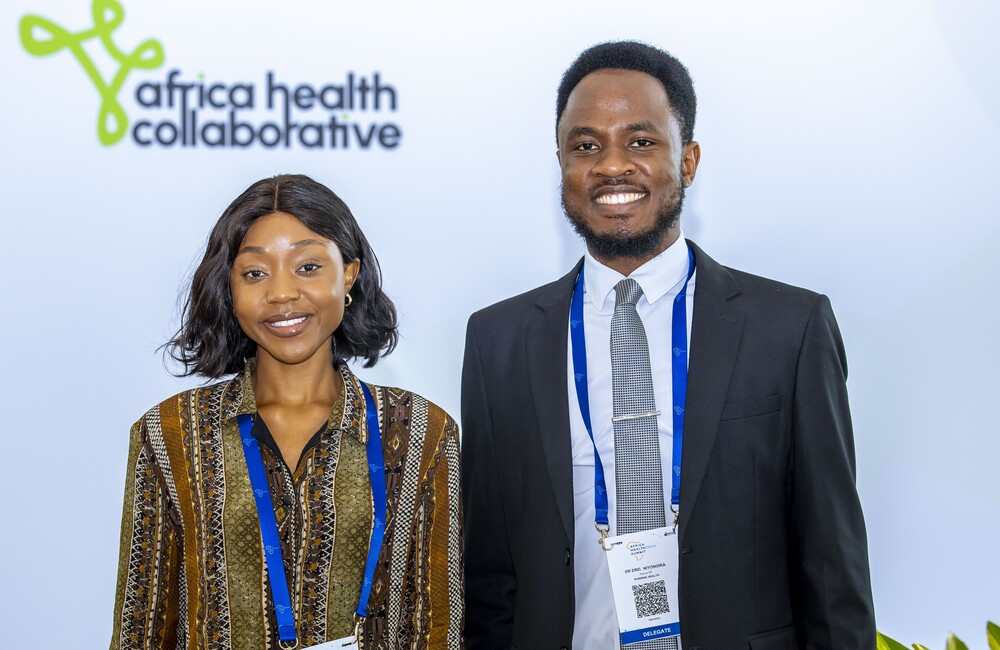
We attended as part of that leadership generation, one a Rwandan youth health leader and digital health innovator, the other a Namibian digital-health innovator, youth-policy advocate, and Chevening Scholar and what we witnessed was a maturation of Africa’s digital-health discourse.
Dr. Nafuka joined a plenary titled “Youth in Action: Shaping Africa’s Digital Health Future,” with speakers from UNDP Rwanda, HealthTech Hub Africa, and the Mastercard Foundation.
The discussion did not ask whether youth should be included, it asked how to transfer power, not gestures. She argued that networks such as the Youth in Digital Health Network (YiDHN) and the Africa CDC Bingwa PLUS initiative show that young people are already building, scaling, and influencing policy.
What remains missing is institutionalization: youth seats on steering committees, procurement frameworks that buy youth-built tools, and dashboards that track commitments made to youth.
High-level engagements, from ministerial forums to Africa CDC roundtables, illustrated why Rwanda is treated not as a case study but as a continental template.
Rwanda has managed to blend speed with safety piloting at system level and scaling what works. Leaders such as Hon. Dr. Yvan Butera and partners including Zipline, Novartis Global Health, and UNDP have turned innovation into structure.
The Rwandan government has invested heavily in supporting young innovators and ensuring an enabling environment to create digital solutions that meet community needs. Across the country, innovation hubs give youth working spaces and mentorship to refine ideas.
With partners, programs like Hanga Pitch Fest and Timbuktoo HealthTech Startup provide seed funding, keeping the ecosystem active.
HealthTech Hub Africa, supported by the Government of Rwanda, Novartis, the Global Fund, and others, works directly with innovators from Rwanda and across Africa to test and pilot their projects.
Among the inspiring solutions shared at the summit was Mama Guide, a simple digital tool that helps mothers during pregnancy and after childbirth with easy-to-understand information on antenatal visits and key danger signs.
Another example is the Innovation Accelerator Program run by the Imbuto Foundation and UNFPA Rwanda. It supports youth-led solutions addressing reproductive and mental-health issues through seed funding, mentorship, and partnerships.
After six phases, it has shown that when young people are genuinely trusted and supported, they produce solutions grounded in lived realities.
During the Ministerial Breakfast at the summit, leaders and partners were reminded that working with young people is not just good but necessary “nothing for us without us.” Expanding such programs and sustaining mentorship will help create an environment that leaves no youth innovator behind.
Namibia has, to a certain degree, the literacy, infrastructure, and youth demographics to follow suit, but not yet the structural intent. It risks becoming a buyer of digital-health systems built elsewhere instead of a contributor shaping them. To change that, several moves are overdue:
1. Make digital health part of UHC financing and governance.
2. Embed youth experts within ministries and regional bodies.
3. Build a domestic evidence engine, not just enthusiasm for innovation.
A key theme throughout the summit was that policy delay is a form of harm. If digital transformation is postponed, the cost is paid in preventable deaths, inequity, and exclusion. Africa’s young innovators are not insisting on co-leadership for symbolism but because we will inherit the systems being built or neglected.
Africa’s digital-health future will not be designed for youth; it will be designed with youth or it will fail to serve the future at all. And on that front, Kigali made it unmistakably clear:
Africa is not waiting. We are leading.
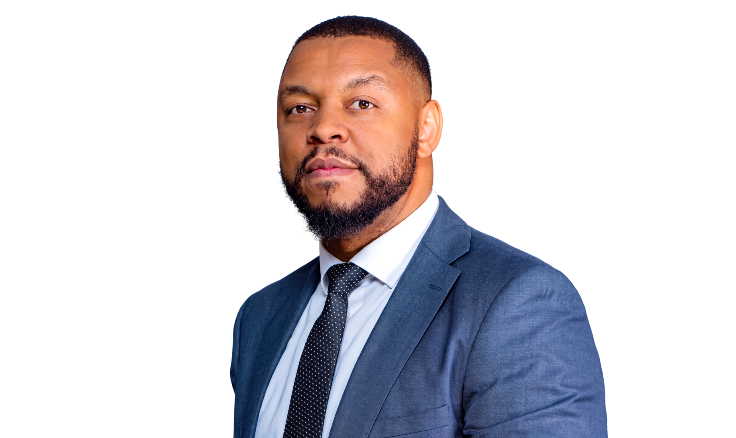
*Dr.Tuwilika Nafuka is a Medical Doctor, Chevening scholar 2025-2026 MSc in Digital Health Systems candidate, Chevening Social Media Ambassador (SMA) 2025-2026, Africa CDC Bingwa PLUS and DHSA fellow. She is passionate about harnessing technology to advance health equity and strengthen community access to essential services.
Dr. Eric Niyongira is a Rwandan Medical Doctor, digital health innovator, and passionate public health advocate.