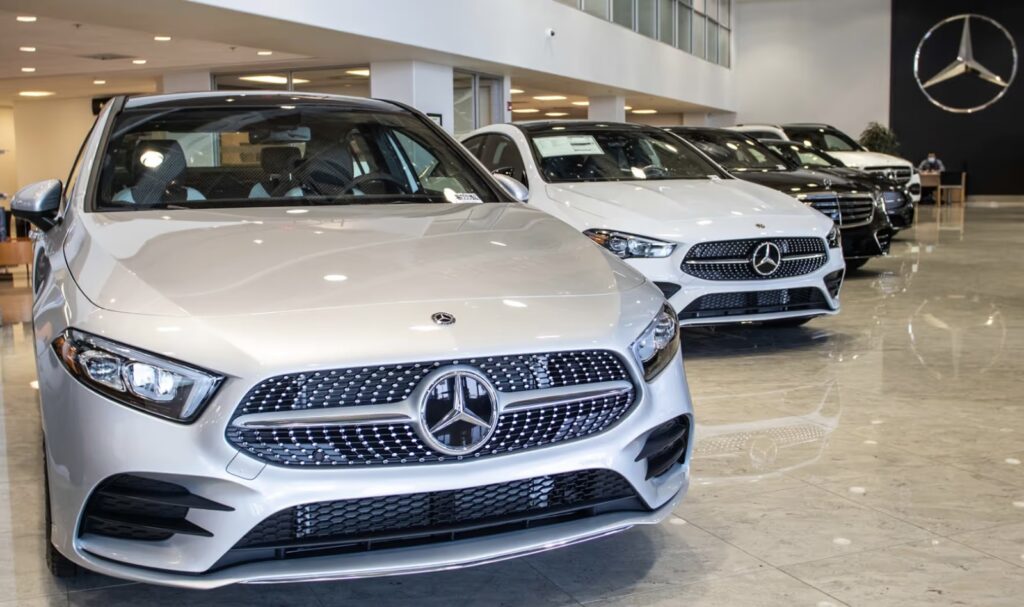
Mercedes-Benz sold only 21 units in August, highlighting the declining influence of brand prestige in Namibia’s automotive market, Simonis Storm Junior Economist Almandro Jansen said.
He noted that despite its reputation for engineering quality, Mercedes and other German brands are increasingly dependent on rental and fleet orders as private buyers shift to affordability and practicality.
German automakers rebounded overall in August, selling 147 units for a 12% market share compared with 33 the previous month. Volkswagen led the recovery with 113 units, while Mercedes lagged.
“Mercedes-Benz’s weak sales highlight that prestige alone no longer guarantees success in Namibia’s market. Buyers are becoming more value-focused, weighing total ownership costs and practicality over luxury branding. German automakers must adapt or risk losing further ground to more affordable and versatile competitors,” Jansen said.
Japanese brands remained dominant with 829 units sold, representing 66% of the market. Toyota models such as the Hilux, Corolla Cross and Fortuner continued to lead, though Jansen said growth is slowing.
“Japanese brands remain strong, but the tapering of Toyota sales indicates that consumer loyalty is no longer sufficient for growth. This creates openings for challengers offering competitive pricing, innovative features, and dependable service,” he said.
Chinese automakers sold 133 units for an 11% share, more than doubling their 2024 performance.
Jansen said Haval, Omoda, Jetour and Jaecoo are leveraging pricing, SUV designs and after-sales support to capture buyers.
“Chinese brands are moving from niche to mainstream contenders, driven by pricing advantages and improved dealership support. Jetour’s upcoming models and Chery’s hybrid introductions point to further expansion. Consumers are clearly prioritising value, design, and technology features rather than traditional badges of prestige,” he said.
American manufacturers, led by Ford, recorded 75 units for a 6% market share. South Korean brands underperformed with only 11 units or 1%.
Jansen said manufacturers offering cost-efficiency, smart technology and strong after-sales service will be best placed to succeed as Namibia’s market evolves.