Thursday, September 10, 2026
Subscribe
The Brief | Namibia's Leading Business & Financial News
  • Home
  • Companies
    • Finance
    • Agriculture
    • Technology
    • Property
    • Trade
    • Tourism
  • Business & Economy
  • E-PAPERreader
  • Mining & Energy
  • Opinions
    • Analysis
    • Columnists
  • Africa
No Result
View All Result
The Brief | Namibia's Leading Business & Financial News
  • Home
  • Companies
    • Finance
    • Agriculture
    • Technology
    • Property
    • Trade
    • Tourism
  • Business & Economy
  • E-PAPERreader
  • Mining & Energy
  • Opinions
    • Analysis
    • Columnists
  • Africa
No Result
View All Result
The Brief | Namibia's Leading Business & Financial News
Subscribe
No Result
View All Result
Home Companies Agriculture

The potential in organizing poultry producers to enhance local production

by reporter
May 30, 2025
in Agriculture
14
A A

By Hanks Saisai

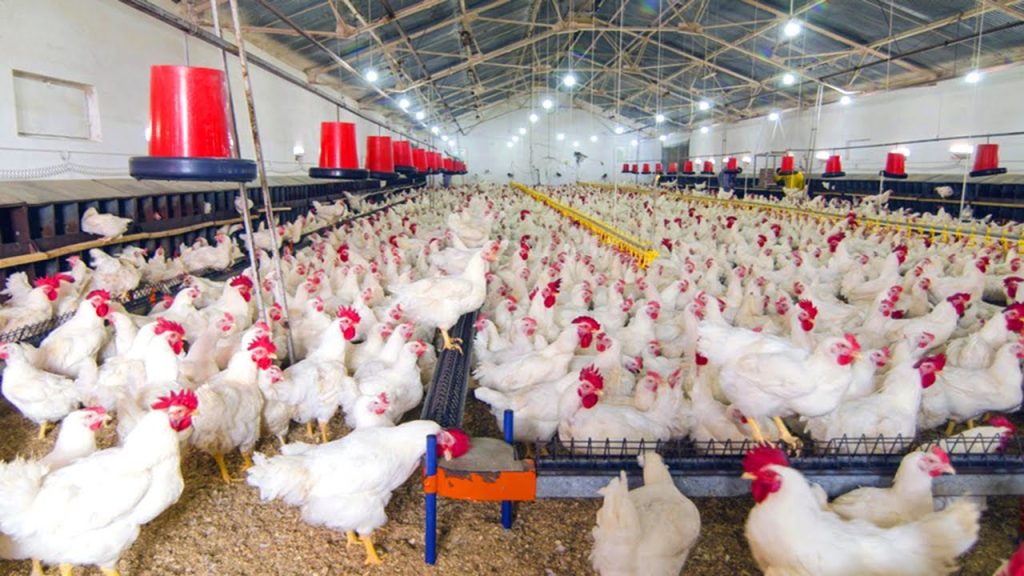
According to the Namibian Poultry Producers’ Association (PPA), the Namibian poultry industry ‘s production value reached N$1.74 billion in 2024, representing an approximate 13% increase from the N$1.5 billion recorded in 2023.

The sector now stands as the second-largest contributor to Namibia’s agricultural production, trailing only the cattle industry, which recorded an estimated N$3.2 billion in 2024, according to the PPA.

With poultry products (eggs and meat) being among the most affordable protein sources for many households in Namibia, this presents an ideal opportunity for local poultry farmers to get organized and enjoy a fair market share of these essential products.

As the poultry industry continues to grow, it is essential for all poultry farmers to first register as producers with the Livestock and Livestock Products Board (LLPB), previously known as the Meatboard of Namibia. Moreover, poultry farmers should also register as members of the PPA.

This will allow the regulator (LLPB) and the association (PPA) to determine the precise number of poultry farmers in each region and the produce they can offer monthly. Moreover, through the Market Share promotion scheme, the association can collaborate with the regulator to increase the local production quota.

Additionally, major producers can subcontract small-scale farmers to supply them with eggs and meat. This arrangement could create a reliable and sustainable market for small producers and provide an opportunity to expand their production capacity.

Alternatively, regional farmers could form co-operatives that can be utilized to purchase inputs such as chicks, hens, feed, vaccines, antibiotics, disinfectants and supplements in bulk.

This strategy could potentially lower individual farmers’ input costs, as many farmers can be offered discounts from input suppliers when buying in bulk. Additionally, farmers can share the transportation costs of these inputs from suppliers to distribution points in their respective regions. This will enable smallholder farmers to significantly lower input costs and gain a better competitive advantage to sustain their enterprises, as the production unit cost will be reduced.

On the marketing side, farmers involved in the trade of poultry products can enjoy a fair market share by forming a marketing co-operative that allows them to pool their resources together and offer products to formal markets such as wholesalers, retailers, tourism facilities, government institutions, as well as informal markets such as vendors.

This co-operative will ensure that it addresses the three crucial aspects of markets, which are quality, quantity and consistency, thus enabling farmers to understand the product quantities and quality they need to offer monthly.

For instance, if a market demands 10,000 eggs monthly, farmers can pull resources from their respective enterprises to reach the monthly target. Upon receiving the payment, the co-operative could distribute the income according to the number of eggs a farmer offered from their enterprise.

Organizing farmers involved in poultry production has the potential to yield numerous positive benefits, and with the support of all industry players, including farmers, regulators, and associations, such initiatives could foster sector growth and unlock hidden markets through achieved self-reliance.

Being organized also ensures that consistency, quality, and quantity requirements are met while reducing individual farmers’ costs. For regulators, this presents an opportunity to access accurate information regarding the production capacity of local farmers and to explore modalities of reducing dependency on imports by allocating additional quotas to local farmers.

*Hanks Saisai is a Technical Advisor: Crops and Poultry at Agribank

author avatar
reporter
See Full Bio
Previous Post

Leadership without authority

Next Post

Namibia fuel prices set to drop in June

Must Read

Young corn plants growing in a cracked, dry field under a blue sky, showing drought stress.
Agriculture

Namibia faces agriculture, water and energy pressure as dry 2026/27 season looms

September 7, 2026
Workers in hard hats and gloves stretch a large gray fabric over a worktable in an industrial textile setting.
Agriculture

Meatco targets EU, Asian markets for Namibian leather

September 2, 2026
Namibia among countries seeing modest recovery in cereal output
Agriculture

Namibia’s 2026 cereal output forecast at 155,000 tonnes

September 1, 2026
Professional portrait of a smiling man in a dark suit and blue tie against a white background with glasses on.
Agriculture

LLPBN officially appoints Vehaka Tijimune as CEO

August 31, 2026
Namibia slaughtered over 14 million chickens by end of September
Agriculture

Namibia’s poultry output forecast to rise 13.8% to 3.81 million kg

August 28, 2026
Namibia’s beef exports plunge nearly 50% in Q2
Agriculture

Govt targets Q1 2027 reopening of Oshakati abattoir

August 25, 2026
Load More

Related News

Nedbank urges economic players to work with Govt for economic revival

Nedbank urges economic players to work with Govt for economic revival

March 16, 2023
What you need to know about Shiimi’s Mid-Year Budget Review

What you need to know about Shiimi’s Mid-Year Budget Review

October 25, 2022
Costly mistakes to avoid as a Namibian farmer

Costly mistakes to avoid as a Namibian farmer

March 26, 2024

Browse by Category

  • Africa
  • Agriculture
  • Analysis
  • Business & Economy
  • Columnists
  • Companies
  • e-edition
  • Finance
  • Finance
  • Fisheries
  • Green Hydrogen
  • Health
  • Investing
  • Latest
  • Market
  • Mining & Energy
  • namibia
  • Namibia
  • News
  • Opinions
  • Property
  • Retail
  • Technology
  • Tourism
  • Trade
The Brief | Namibia's Leading Business & Financial News

The Brief is Namibia's leading daily business, finance and economic news publication.

CATEGORIES

  • Business & Economy
  • Companies
    • Agriculture
    • Finance
    • Fisheries
    • Health
    • Property
    • Retail
    • Technology
    • Tourism
    • Trade
  • e-edition
  • Finance
  • Green Hydrogen
  • Investing
  • Latest
  • Market
  • Mining & Energy
  • namibia
  • News
    • Africa
    • Namibia
  • Opinions
    • Analysis
    • Columnists

CONTACT US

Cell: +264814612969

Email: newsdesk@thebrief.com.na

© 2026 The Brief | All Rights Reserved. Namibian Business News, Current Affairs, Analysis and Commentary

Welcome Back!

Login to your account below

Forgotten Password?

Retrieve your password

Please enter your username or email address to reset your password.

Log In
No Result
View All Result
  • Home
  • Companies
  • Mining & Energy
  • Business & Economy
  • Opinions
    • Analysis
    • Columnists
  • Africa

© 2026 The Brief | All Rights Reserved. Namibian Business News, Current Affairs, Analysis and Commentary

This website uses cookies. By continuing to use this website you are giving consent to cookies being used. Visit our Privacy and Cookie Policy.