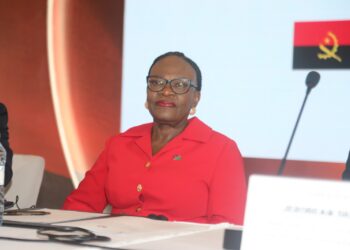
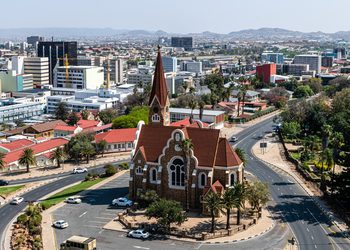
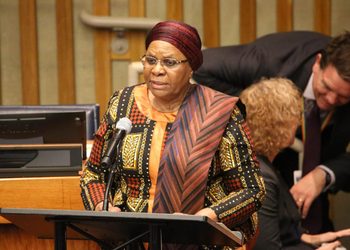
Although Namibia is blessed with abundant marine resources, of which fish is part, many Namibians still find it difficult to afford fish, Khomas Regional Governor Laura McLeod-Katjirua said during a National Fish Consumption Day in the capital.
Sharing McLeod-Katjirua’s sentiments was Fisheries and Marine Resources Minister Derek Klazen, who called upon the sector to come up with pro-poor fish prices in the communities to promote fish consumption.
“I would like to indicate that my people raised concerns that fish is unaffordable, and something needs to be done so that every Namibian must be able to eat fish and benefit from the country’s natural resources,” McLeod Katjirua said.
Of which Klazen concurred saying, “I agree with you [governor] that fish is indeed unaffordable. I will therefore task Namibia Fish Consumption Promotion Trust (NFCPT) as a government vehicle tasked with promoting and making fish accessible, to look into how the prices can be reduced”.
Meanwhile, speaking to The Brief, NFCPT Chief Executive Officer Victor Pea said it is quite difficult to say whether the fish is unaffordable, because in as much as the company is concerned, it is selling the cheapest fish and products compared to all industry players.
“So I think the issue of affordability is prone to subjectivity as it depends on the economic standing of an individual, which is hard to judge, for instance we sell our fish for a dollar, one without a dollar will still say they can’t afford. All in all, it is more of an economic issue. If one would say we are expensive that would be another issue of concern as that tells us that people have the means to buy, but the prices are high. So, the affordability is an opinion based on community concerns, hence, if you say expensive, I will say no,” reasoned Pea.
“Look, our prices across the country from Walvis Bay are the same, there is no variance based on distance as done by other businesses selling similar products. Also, another issue that clearly shows we are cheap is the long queues experienced at all our outlets that shows that we are very affordable.”
The CEO further says the low-priced products contain the company’s expenses related to fishing vessels, employee salaries, transport, and fuel, while also remaining sustainable.
“We took cognisance of all that, so the little we are pricing is to keep us afloat and serve our core mandate of promoting fish and making it accessible to the nation, therefore, I will still say we are relatively the cheapest in the whole industry. However, we took note of the concerns and we shall see how we adjust,” Pea said.
The National Fish Consumption Day will cover all the 14 regions, of which N$5.5 million has been raised so far, since the maiden edition in 2012, excluding the latest pledges.
NFCPT operates 18 retail stores around the country, and the promotion day is geared toward achieving the targeted 20.4kg consumption of fish per person per annum, as compared to 16.59kg consumed currently by each individual. Klazen said attaining the target will result in consumption of 30,000 metric tonnes with a yield of N$500 million circulating in the market.
“Let me also clarify that this Corporate Social Responsibility initiative is by no means the only way that the fishing industry shares the benefits of our fisheries with the wider Namibian community: the industry pays fishing levies, quota fees and taxes, which are in turn distributed through the National Budget to all regions in the country to build roads, schools, hospitals, and other developments. Therefore, the NFCD donations are a top-up of the fisheries sector contribution to society, which comes with the educational component of imparting culinary skills and socio-economic benefits of consuming fish, as an emphasis of our care,” the Minister said
Klazen added that consumption and accessibility to fish leads to poverty reduction through job creation along market chains as well as promoting the nutritional lifestyle. “Fish Consumption would translate into new businesses opening, and the profit margins realised by our small- and medium-scale traders could greatly help address current poverty and inequality.”