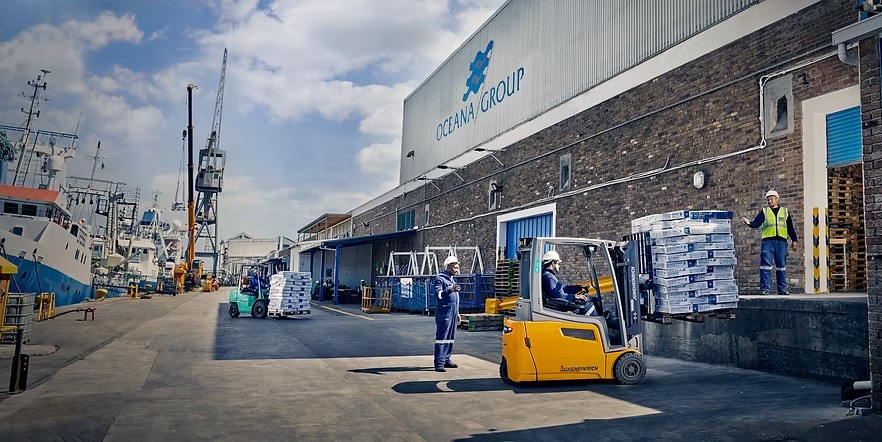
South African fishing group Oceana plans to redeploy its Desert Diamond fishing vessel to Namibia in 2027 to replace one of its ageing vessels operating in the country as part of efforts to modernise its fleet and reduce operating costs.
The redeployment follows the upgrade of the group’s dual-purpose fishing vessel, Valeria, which is expected to commence fishing operations in South African waters in early 2027.
Oceana operates in Namibia primarily through its horse mackerel fishing and export subsidiary, Erongo Marine Enterprises, and holds a 44.9% stake in Etosha Fishing Corporation. The group’s shares are also dual-listed on the Namibia Securities Exchange (NSX).
The announcement comes as Oceana reported a 44% increase in operating profit from its wild-caught seafood business to N$320 million for the financial year ended 30 September 2026, supported by fleet upgrades, strong demand and favourable selling prices.
Horse mackerel was the main contributor to the segment’s performance, with average selling prices increasing by 18%, particularly for smaller-sized fish caught in Namibian waters.
The Desert Diamond recorded a 136% increase in catches during the financial year, driven by improved catch rates and increased days at sea in South African waters.
Oceana expects global demand for sustainably sourced seafood to remain strong, although rising fuel prices pose a risk to vessel operating costs.
The group did not separately disclose the revenue and operating profit contribution of its Namibian operations in the results announcement.
Overall, Oceana reported a 20.8% increase in operating profit to N$1.5 billion, despite a 4.2% decline in revenue to N$9.6 billion.
Profit after tax increased by 38.5% to N$1 billion, while headline earnings per share rose by 50.5% to 850.3 cents.
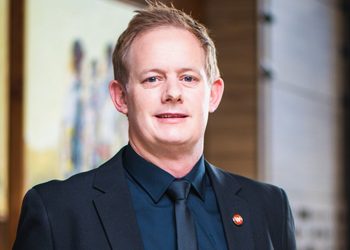
Oceana Chief Executive Officer Neville Brink attributed the performance to the group’s diversified business portfolio, which helped offset fish supply constraints in some of its operations.
“Our performance demonstrates the strength of Oceana’s diversification strategy. While Lucky Star and our African fishmeal business faced severe fish supply constraints, Daybrook and Wild caught seafood delivered exceptional results, with Lucky Star remaining solidly profitable,” Brink said.
Daybrook, the group’s United States fishmeal and fish oil business, recorded a 56% increase in operating profit to N$839 million, while Lucky Star Foods increased operating profit by 13% to N$530 million.
However, the African fishmeal and fish oil business recorded an operating loss of N$175 million following a 70% decline in industrial fish landings.
Cash generated from operations increased by 79% to N$2.6 billion, enabling the group to reduce net debt by 47% to N$1.4 billion from N$2.6 billion in the previous financial year.
The board declared a final dividend of 320 cents per share, bringing the total annual dividend to 430 cents per share, an increase of 50.9% from the previous financial year.
Looking ahead, Oceana expects higher global fishmeal and fish oil prices following Peru’s cancellation of its second anchovy fishing season for 2026 to support earnings and cash generation.
“With Peru’s fishing season cancelled, we expect the rising fishmeal and fish oil price cycle to generate strong cash flows, giving the Group greater balance sheet capacity to expand and diversify Oceana’s portfolio, building on the strength of this year’s performance,” Brink said.