Namibia’s financial institutions have been challenged to account for gender disparities in senior management positions amid concerns that existing employee data is not being adequately used to identify barriers to women’s career advancement.
Industry representatives at the Namibia Women in Finance and Insurance Summit said the absence of standardised gender reporting across the sector makes it difficult to establish whether workplace equality policies are delivering results.
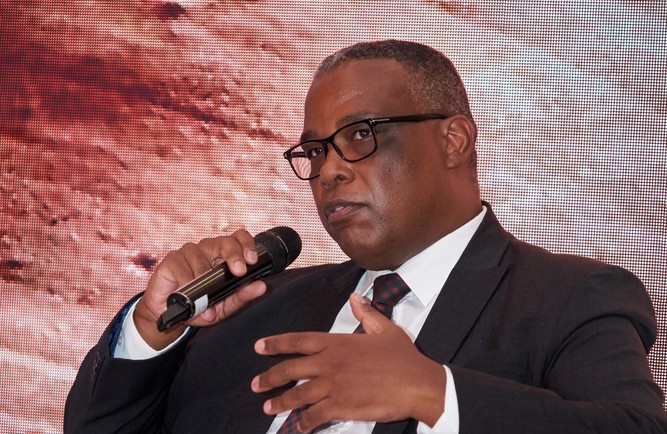
Namibia Financial Institutions Supervisory Authority (NAMFISA) General Manager for Insurance and Medical Aid Funds, Erich Gariseb, said organisations should be questioning why men continue to dominate senior management positions in some institutions despite the availability of human resources data.
“We have the data, and I am quite sure that most organisations have this human resources data available. I just do not think it is being aggregated in the right way. We need to ask ourselves why gender disparities exist and what factors within organisations contribute to these outcomes,” Gariseb said.
He argued that assessing gender representation only after appointments have been made limits opportunities to address inequalities within recruitment, promotion and succession planning processes.
“These are the factors we can influence because, by the time we see the outcomes, it is already too late. We need to track these indicators and incorporate them into our organisational scorecards,” he said.
Gariseb called for gender equality to become part of corporate performance assessments, with institutions taking responsibility for sustaining progress regardless of changes in executive leadership.
“Progress should not depend on who is sitting in the office. We need to institutionalise these practices because the leader who is there today may not be there tomorrow,” he said.
Namibia Reinsurance Corporation (NamibRe) Chief of Claims Nelson Matheus said the financial sector needed a comprehensive database on gender representation to establish the extent of workplace disparities and inform interventions.
“We need to create a database so that our conversations are informed by data rather than individual experiences or perceptions. We also need to bring industry stakeholders together around the same table and establish a common platform through which we can discuss these issues,” Matheus said.
He challenged industry stakeholders to move beyond discussions and policy commitments towards practical interventions that address workplace inequalities.
“It is the responsibility of each and every one of us to ensure that we move beyond discussions towards implementation,” he said.
Panellists called for a standardised industry-wide reporting framework that would allow financial institutions to compare their performance, identify systemic barriers and measure women’s participation in executive leadership and decision-making.