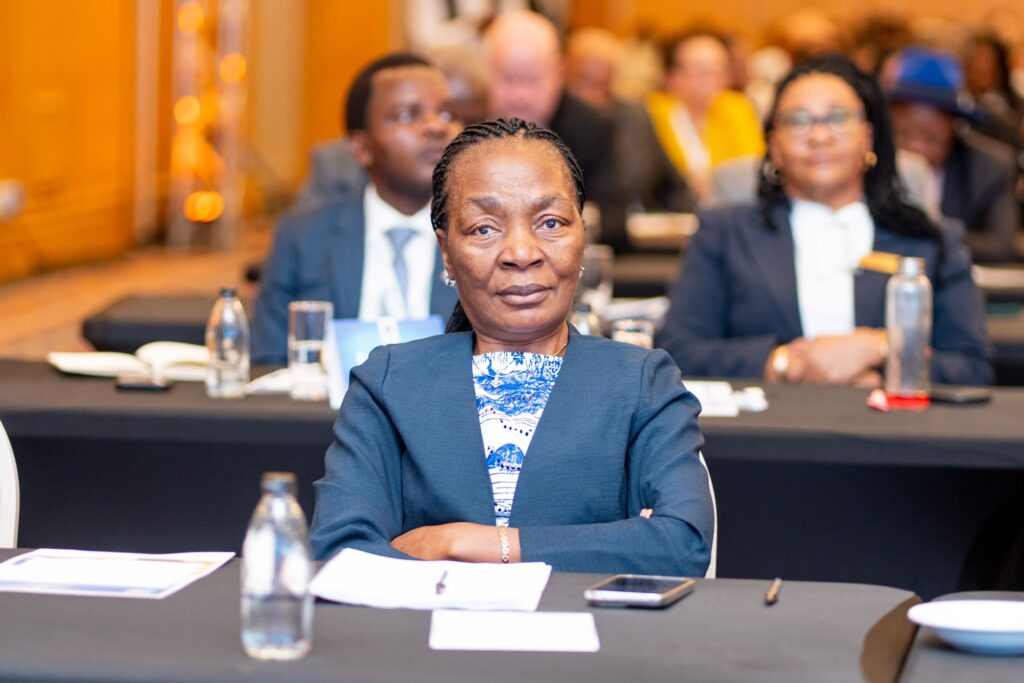
Namibia plans to push for the removal of unnecessary trade barriers, harmonisation of customs procedures and improved cross-border infrastructure as it prepares to assume the chairmanship of the Bureau of the Intergovernmental Committee of Senior Officials and Experts (ICSOE) for Southern Africa.
Minister of Finance Ericah Shafudah said the country would prioritise measures aimed at facilitating the movement of goods and services, expanding regional trade and strengthening economic integration across Southern Africa.
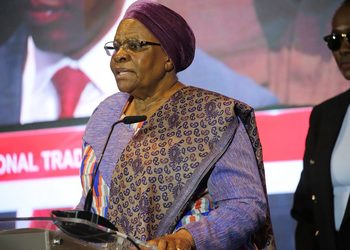
Speaking at the 2026 joint session of the Intergovernmental Committees of Senior Officials and Experts for Eastern and Southern Africa in Windhoek, Shafudah said regional countries needed to translate economic integration commitments into practical measures that stimulate investment, industrial development and employment creation.
She identified the removal of unnecessary trade barriers, harmonised customs procedures, improved transport networks and stronger energy and digital connectivity as key areas requiring regional cooperation.
“As Namibia looks forward to assuming the chairmanship of the Bureau of the Intergovernmental Committee of Senior Officials and Experts for Southern Africa, we seek your continued cooperation and support throughout our tenure in advancing our shared regional priorities,” Shafudah said.
Namibia is set to take over the chairmanship from Eswatini, which has led the Southern African bureau during the outgoing term.
Outgoing chairperson and Eswatini representative Mluleki Dlamini said regional countries needed to address differences in trade regulations and documentation requirements that complicate cross-border commerce.
He called for greater harmonisation of trade procedures among regional economic communities, alongside increased investment in transport corridors, electricity transmission networks and digital infrastructure.
“Secondly, we need to expand cross-border interconnections, terrestrial power networks and regional data hubs that allow e-commerce, financial technology and digital services to scale rapidly across jurisdictions in Africa. We must also harmonise regulations and trade documents among regional blocs such as COMESA and the EAC,” Dlamini said.
He said Eswatini’s chairmanship had supported several initiatives aimed at strengthening regional trade and industrial development.
These included assistance in developing Angola’s African Continental Free Trade Area (AfCFTA) strategy and implementation plan, support for leather-sector enterprises in Eswatini and capacity-building programmes for small businesses in Lesotho.
Dlamini also highlighted work on green value chains aimed at supporting cleaner and more inclusive industrialisation across Southern Africa.
Meanwhile, Uganda’s representative Cissy Mulondo, speaking as the outgoing chair of the Eastern African bureau, called for stronger trade and investment cooperation between Eastern and Southern Africa.
She said improved connectivity, economic diversification and increased intra-regional trade were necessary to stimulate economic growth and address socioeconomic challenges affecting both regions.
“It is important to examine the issue of bridging the gap between Eastern and Southern Africa through connectivity, trade and investment, as well as economic diversification in our countries to stimulate economic growth. We need to critically introspect on how we can realise these areas to promote intra-regional trade,” Mulondo said.
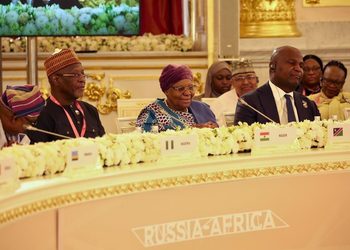
The joint session brought together senior government officials and economic experts from Eastern and Southern Africa to discuss regional integration, infrastructure development and measures to expand trade and investment.
Namibia’s upcoming chairmanship will provide an opportunity to advance regional discussions on reducing trade barriers, improving customs cooperation and strengthening infrastructure links between Southern African economies.