More than 2,300 Namibians have benefited from agricultural training and capacity-building programmes under the second phase of the China-FAO-Namibia South-South Cooperation Project, aimed at improving agricultural productivity, food security and rural livelihoods.
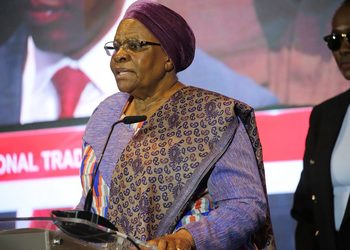
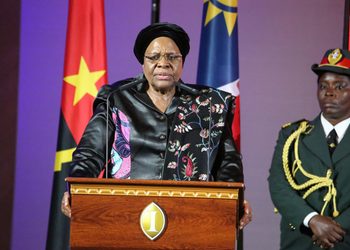
Deputy Minister of Agriculture, Fisheries, Water and Land Reform Ruthy Masake said the project reached 2,351 beneficiaries through 79 training events conducted over 120 days, focusing on strengthening technical skills in agriculture and fisheries.
Speaking at the official closure of the project in Windhoek, Masake said women accounted for 51.3% of participants, while young people represented 33.6% and farmers made up 79.4%.
An additional 1,022 people participated in 32 practical demonstration activities aimed at transferring agricultural knowledge and improving farming practices.
The project focused on six priority areas: plant health, seed production, poultry production, animal husbandry, soil fertility and management, and aquaculture.
“The Project Phase II was designed to address critical challenges confronting Namibia’s agriculture and fisheries sectors, including poor soil conditions, limited availability of quality certified seed, low poultry productivity among smallholder farmers, limited technical and vocational skills, and the underdevelopment of the inland aquaculture subsector,” Masake said.
She said the initiative was designed to address constraints affecting agricultural production, particularly among smallholder farmers and rural communities facing poverty, limited economic opportunities and difficult environmental conditions.
The project also sought to strengthen local technical expertise and improve access to agricultural knowledge and production methods through cooperation between Chinese specialists and Namibian counterparts.
Masake said the second phase built on the foundation established during Phase I, which concluded four years ago, and expanded capacity-building efforts across agriculture and fisheries.
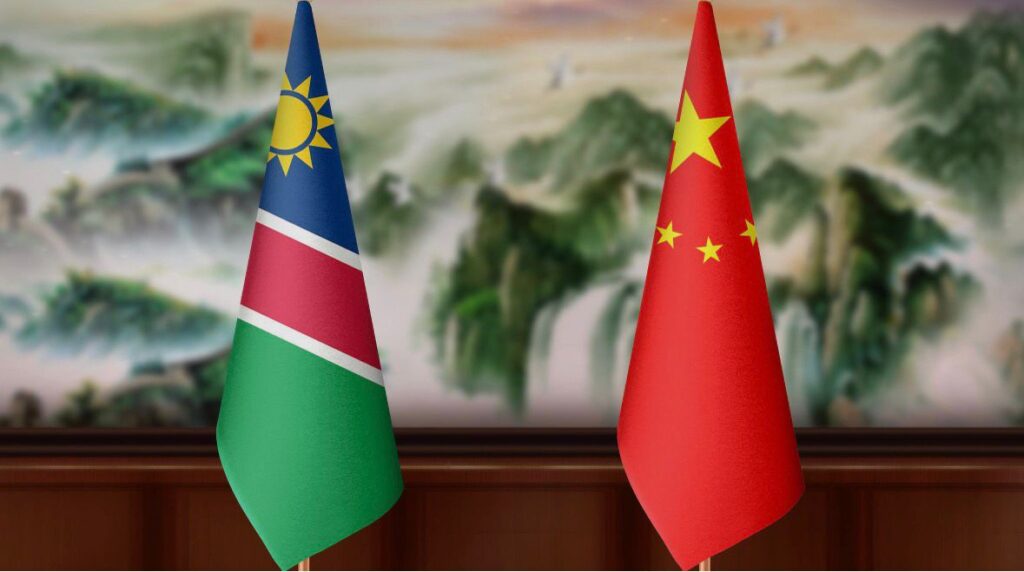
Implemented from September 2024 to December 2026, the project was supported by China and the Food and Agriculture Organization of the United Nations (FAO), with Chinese experts and technicians working alongside Namibian counterparts at six duty stations.
Masake said the initiative demonstrated how international cooperation could be used to address practical challenges affecting agricultural development and rural livelihoods.
“In this regard, the Project has demonstrated how international cooperation can be translated into practical interventions that respond directly to the developmental needs of our people,” she said.
She expressed appreciation to China for its continued support through the FAO-China South-South Cooperation Trust Fund and to the FAO for providing technical guidance and coordinating the initiative.
Masake said Namibia and China should continue using their longstanding partnership to promote agricultural development, technology transfer and sustainable economic growth.
She also highlighted the FAO’s role in supporting Namibia’s agriculture, water and land sectors through technical assistance and development programmes.
The Deputy Minister said the closure of Phase II should not mark the end of cooperation but should provide an opportunity to consolidate the knowledge acquired and sustain the technical capacities developed.
She called for continued collaboration between Namibia, China and the FAO to strengthen food security, agricultural productivity, fisheries and aquaculture development, and the resilience of rural communities.