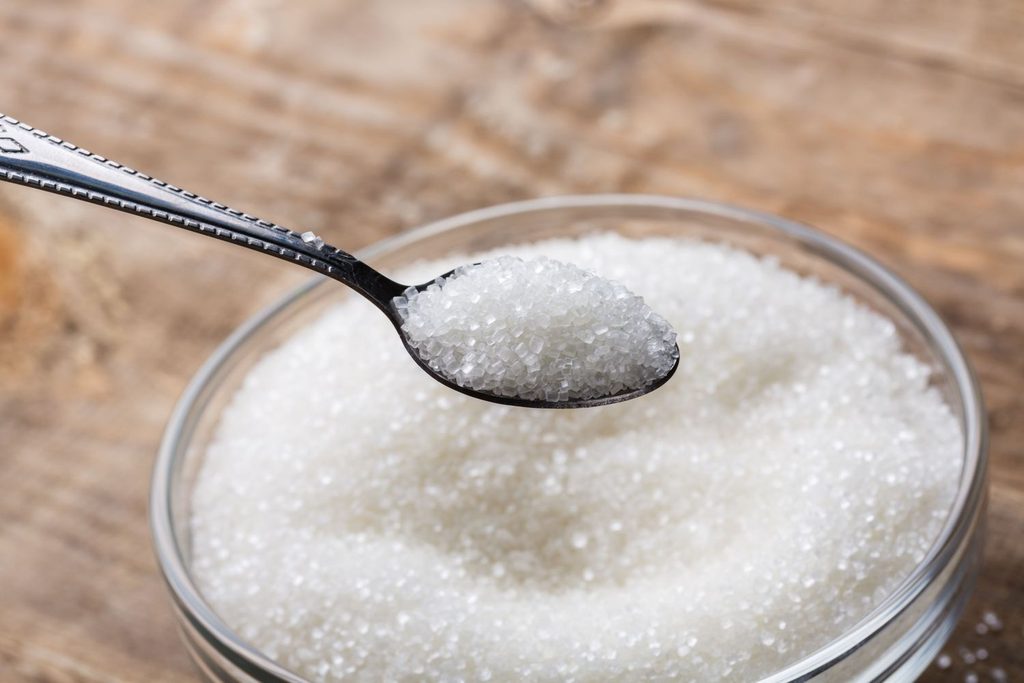
Namibians could face a 15% increase in the price of sugar if the government scraps its zero-rated value-added tax (VAT) treatment of the commodity over concerns about the health risks associated with excessive sugar consumption.
Finance Minister Ericah Shafudah has confirmed that the government is reviewing the tax exemption, raising the possibility that sugar could become more expensive if it becomes subject to the standard VAT rate.
Speaking during the presentation of the 2026/27 Mid-Year Budget Review in the National Assembly, Shafudah said the government was reconsidering the tax relief initially introduced to make sugar more affordable for consumers.
“I wish to reassure the nation that we are reviewing the VAT zero rating of sugar consumption. The zero rating was introduced to provide some relief to consumers; however, the health effects of sugar consumption are well known, and we join the rest of the world in promoting health living,” Shafudah said.
The review raises concerns about the future affordability of sugar, with consumers potentially facing higher prices if the government withdraws the exemption.
For example, a packet of sugar currently selling for N$40 could cost N$46 if the standard 15% VAT rate is applied and the full tax increase is passed on to consumers.
However, Shafudah did not confirm whether the government intends to remove the zero rating or announce a timeline for implementing possible changes.
The review comes amid growing international efforts to reduce excessive sugar consumption through taxation, particularly to address obesity, diabetes and other non-communicable diseases.
South Africa introduced its Health Promotion Levy in 2018, imposing a tax on manufacturers of sugar-sweetened beverages, such as soft drinks, to discourage consumption.
The levy is charged at 2.21 cents per gram of sugar exceeding four grams per 100 millilitres of a beverage and is estimated to increase the prices of affected products by approximately 11%.
However, the levy has not been increased since 2019, despite continued concerns about rising obesity and non-communicable diseases in South Africa.
Unlike South Africa’s levy, which specifically targets sugar-sweetened beverages, Namibia’s review focuses on the existing VAT exemption on sugar. The government has not announced a separate levy on sugar-sweetened drinks.