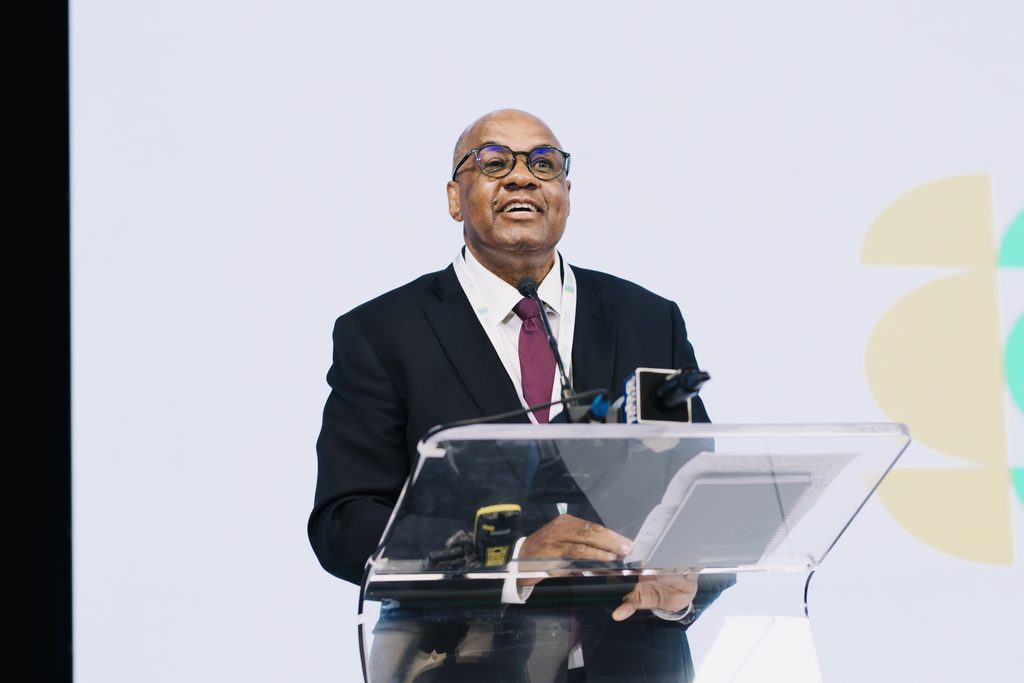
Approximately N$1.1 billion in unclaimed bank balances and insurance benefits remains uncollected in Namibia, with former Bank of Namibia Governor Johannes !Gawaxab calling for urgent action to identify beneficiaries and return the money to its rightful owners.
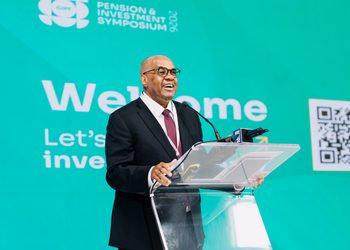
Speaking at the Government Institutions Pension Fund (GIPF) Pension and Investment Symposium in Windhoek on Wednesday, !Gawaxab said many families, including widows and children, could be unaware of financial assets to which they are entitled.
“And about N$1.1 billion in unclaimed bank balances and insurance benefits belongs to someone’s widow, someone’s child, who does not know it is there,” !Gawaxab said.
He urged financial institutions to launch a coordinated beneficiary-tracing initiative and ensure that unclaimed funds are managed transparently and prudently until they can be paid to their rightful owners.
The call comes as Namibia faces significant gaps in retirement savings and financial protection, despite the country’s financial institutions holding substantial investment assets.
According to figures presented by !Gawaxab, approximately 430,000 Namibians are saving for retirement, while only 22% feel financially secure about their future.
He said nearly half of Namibians have not started saving, while those contributing towards retirement save an average of 13% of their income, against an estimated 23.5% required to support a comfortable retirement.
Nearly 70% of adults also have no insurance cover, while more than 220,000 elderly Namibians depend on the government’s monthly old-age grant of N$1,700.
At the end of December 2025, Namibia’s non-bank financial institutions held approximately N$553 billion in assets, including N$301 billion in pension funds, N$107 billion in long-term insurance and N$123 billion in collective investment schemes.
!Gawaxab said the figures highlighted the need to strengthen household savings and ensure that existing financial assets benefit their intended recipients.
He also warned that unemployment was placing increasing pressure on retirement funds, with benefit payments competing with contributions from employed members.
“Scale at the top depends on strength at the base. Unemployment means that in many funds, benefits paid out are now competing with contributions coming in. The jobs these projects create are therefore also new members for our funds. And let us launch a serious drive to reunite the N$1.1 billion in unclaimed assets with their rightful owners — and, while they are traced, to govern and invest those funds transparently and prudently,” !Gawaxab said.
He argued that infrastructure investment and job creation could help expand the retirement savings base by increasing formal employment and pension fund membership.
The proposed recovery of unclaimed assets forms part of six interventions he outlined to strengthen Namibia’s institutional investment sector.
These include improving infrastructure project preparation, pooling investment capital, partnering with development finance institutions, recycling existing infrastructure assets, protecting the savings base and publishing investment performance.
!Gawaxab also called for greater transparency from financial institutions, including regular disclosure of investment performance, risk appetite and progress in mobilising domestic capital.