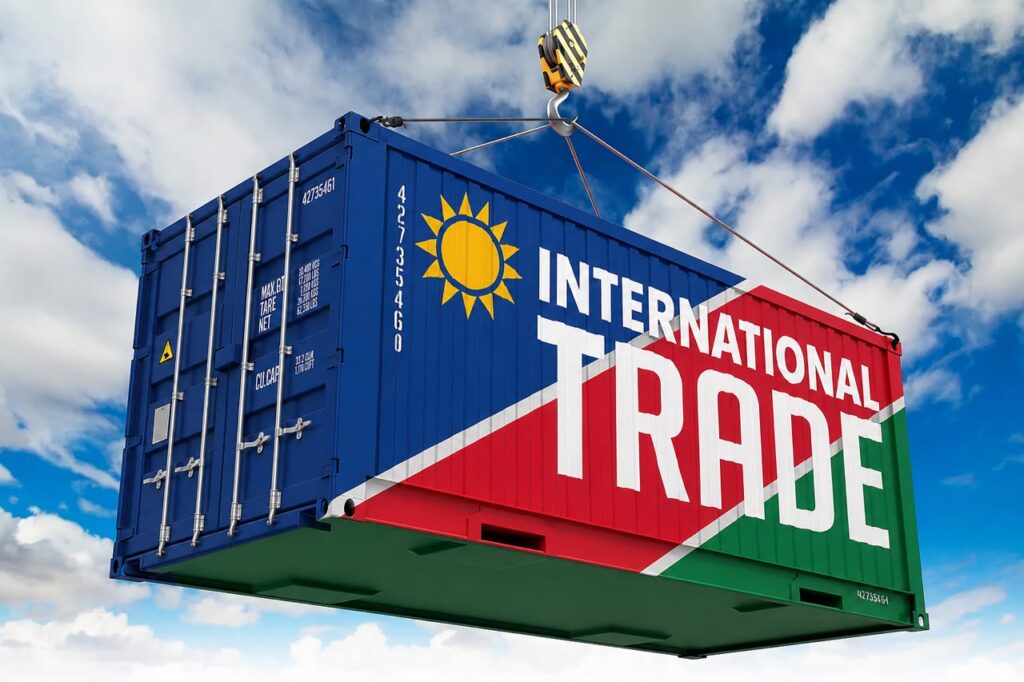
Namibia’s merchandise trade deficit widened sharply to N$33.5 billion during the first eight months of 2026, nearly double the N$17.8 billion recorded over the same period last year, as rising fuel imports and higher international energy prices increased the country’s import bill.
Bank of Namibia Governor Ebson Uanguta said the trade deficit deteriorated by N$15.7 billion, representing an increase of approximately 88%, largely driven by higher imports of mineral fuels.
“The trade deficit deteriorated to thirty-three point five billion during the first eight months of 2026 from N$17.8 billion recorded in the same period of last year,” Uanguta said during the Monetary Policy Committee’s (MPC) October 2026 announcement.
He warned that continued geopolitical tensions in the Middle East and disruptions to global energy supplies could place further pressure on Namibia’s trade balance.
“Going forward, the trade deficit will continue to be shaped by energy supply disruption, driven by the geopolitical tension in the Middle East,” he said.
Uanguta said international oil prices remained elevated, with Brent crude reaching approximately US$116 per barrel, its highest level in more than six months.
The increase in global energy prices has raised Namibia’s import costs, particularly for fuel, placing additional pressure on the country’s external trade position.
As a net importer of petroleum products, Namibia remains exposed to fluctuations in international oil prices, which can increase transport and production costs across the economy.
Uanguta said the global economy was experiencing a prolonged negative supply shock, with higher energy prices contributing to inflationary pressures across several economies.
The widening trade deficit comes as the Bank of Namibia moves to contain inflationary risks and maintain monetary stability.
The MPC increased the repo rate by 25 basis points to 7%, citing the need to safeguard the one-to-one currency peg between the Namibia dollar and the South African rand while limiting the secondary inflationary effects of rising fuel prices.
The central bank said higher fuel prices could feed into the broader economy through increased transport, production and distribution costs.
Despite the deterioration in the trade balance, Namibia’s international reserves strengthened to N$59.3 billion at the end of September 2026, compared with approximately N$58 billion at the end of July.
According to the Bank of Namibia, the reserves provided an estimated 3.6 months of import cover, remaining sufficient to support the currency peg and meet the country’s international financial obligations.
The widening trade deficit highlights Namibia’s continued exposure to external energy price shocks, with further disruptions to global oil supplies posing risks to the country’s import bill and broader economic outlook.