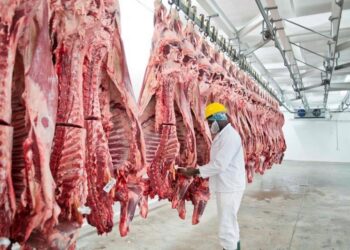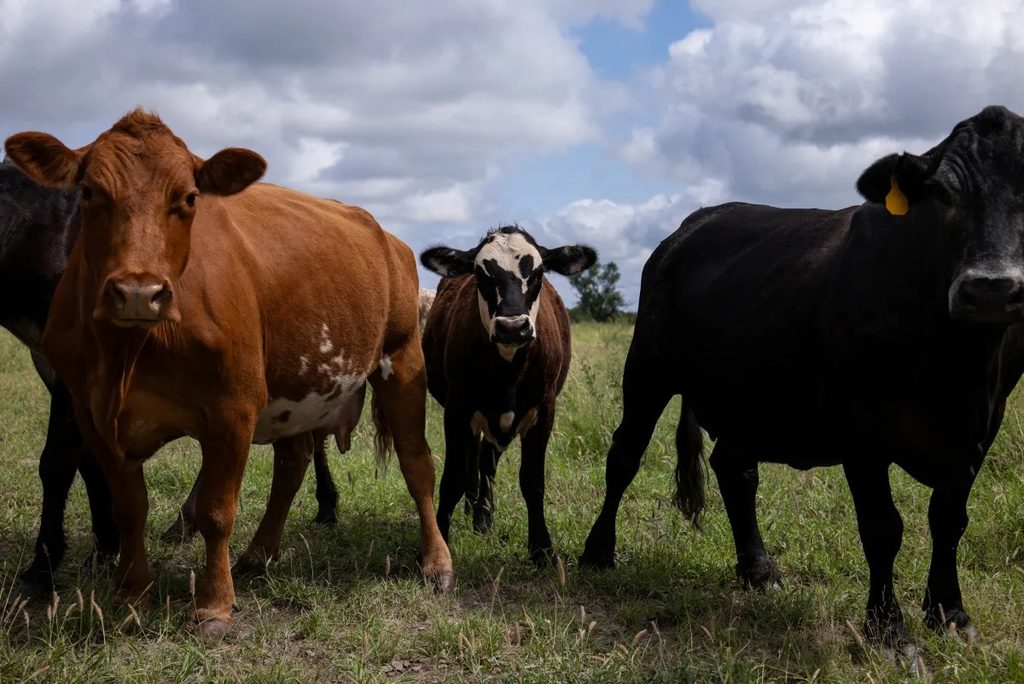
Namibia marketed 217,007 cattle in the first nine months of 2026, representing a 30.92% increase compared with the same period last year, despite a sharp decline in monthly marketing in September following foot-and-mouth disease (FMD) restrictions.
According to the Livestock and Livestock Products Board’s October 2026 Beef and Pork Market Watch report, cattle marketing fell by 27.23% month-on-month to 21,387 head in September, from 29,389 head in August. However, the figure was 3.29% higher than the 20,706 cattle marketed in September 2025.
“Total cattle marketing was 3.29% higher than in September 2025, at 21,387 head. Year-to-date marketing reached 217,007 head, 30.92% more than in 2025. Compared with August, marketing fell by 27.23%, a larger decline than usual for this time of year,” the report stated.
The September slowdown was partly attributed to FMD, which was confirmed in the //Kharas Region on 23 September, prompting restrictions on the movement and trade of cloven-hoofed animals and their products during the final eight days of the month.
Meanwhile, live cattle exports totalled 75,578 head during the first nine months, an increase of 58.80% compared with the corresponding period in 2025. South Africa received 90.51% of Namibia’s live cattle exports.
Furthermore, A-class slaughter increased by 34.56% year-on-year to 104,505 head, while B&C slaughter declined by 8.82% to 36,924 head.
“A-class slaughter accounted for 50.28% of cattle marketed in September, live exports for 41.83% (down from 48.80% in August) and B&C slaughter for 7.89%. Of the 8,946 cattle exported live, 8,941 head (99.94%) were feeder cattle destined for South African feedlots, while 5 breeding cattle were exported to Angola,” the report stated.
The report further indicated that Namibia’s B2 beef price averaged N$78.74 per kilogram in September, up 6.14% year-on-year and 0.55% from August. However, the price premium over South Africa narrowed to N$12.88 per kilogram, from N$17.17 in August.
The report expects cattle marketing to decline sharply in October as FMD-related movement restrictions continue to affect exports, auctions and slaughter operations. The European Union also temporarily suspended imports of specified fresh meat products from Namibia’s NA-1 export zone in October.
The report warned that prolonged restrictions could result in cattle accumulating on farms, placing pressure on weaner and slaughter-cattle prices. Rising feed costs could further squeeze feedlot margins.
“If marketing remains restricted, cattle may build up on farms, which could put downward pressure on weaner and slaughter-cattle prices, while rising feed costs add pressure on feedlot margins. These are expectations based on the control measures in place. The statistical forecasts used in previous editions assume normal trading conditions and are therefore not presented in this edition,” the report stated.
The full impact of the restrictions is expected to become clearer in October’s marketing figures.