Namibia is seeking to close the gap between academic research and industry needs by encouraging universities to develop practical solutions that improve productivity, support industrialisation and create employment opportunities.
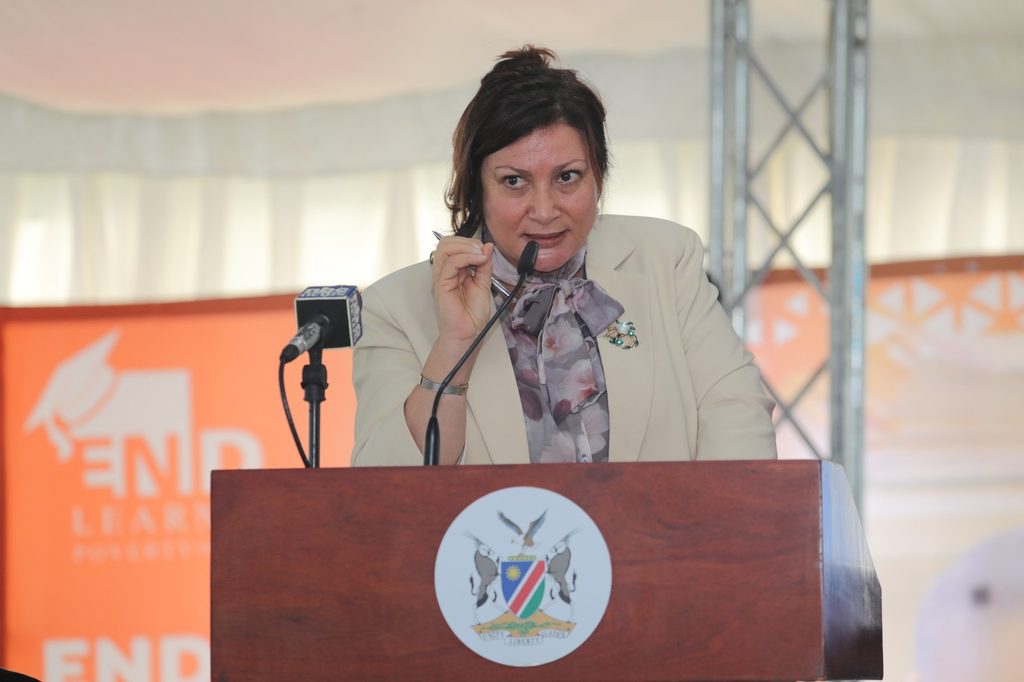
Minister of Education, Innovation, Youth, Sports, Arts and Culture Sanet Steenkamp said stronger collaboration between higher education institutions, government and businesses was necessary to ensure research contributes directly to economic development.
Speaking at the opening of the 2026 National Student Research Symposium (NSRS), Steenkamp said research should not end with academic qualifications but must help address challenges affecting local industries and communities.
She identified agriculture, healthcare, water security, renewable energy and public service delivery as sectors where scientific research and technological innovation could make a meaningful contribution.
Steenkamp said businesses needed to play a greater role in identifying industry challenges and skills shortages that universities could address through research.
“Businesses should help identify skills gaps and practical challenges that research can address, while government should create an enabling policy environment and support collaboration,” she said.
She said the Sixth National Development Plan (NDP6) recognises research, science, technology and innovation as key drivers of industrialisation, economic diversification and sustainable development.
“Namibia’s future prosperity would depend not only on its natural resources, but also on the knowledge and skills of its people,” Steenkamp said.
She also called for greater investment in research infrastructure, digital connectivity and skilled supervisors to strengthen Namibia’s ability to develop homegrown technological solutions.
Steenkamp said artificial intelligence (AI) offered opportunities to accelerate research, improve productivity and support the development of new products and services.
“Artificial intelligence (AI) offers opportunities to accelerate scientific discovery, improve productivity and support the development of new products and services,” she said.
She identified local manufacturing, food security and renewable energy as areas where research could support economic growth and help prepare young Namibians for employment in emerging industries.
However, Steenkamp warned that researchers must not rely on AI-generated information without independently verifying its accuracy.
“AI can assist a researcher, but it cannot relieve that researcher of the responsibility to think critically, verify evidence and defend conclusions,” she said.
She also raised concerns about data privacy, intellectual property, biased information and academic integrity, stressing that technological advancement must be accompanied by responsible research practices.
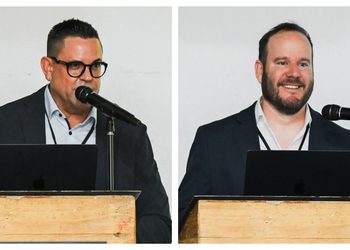
Deputy Executive Director for Higher Education, Training, Research and Innovation Lisho Mundia said the symposium provided a platform for emerging researchers to present their work, exchange knowledge and strengthen links with experienced academics and research institutions.
He said student research must respond to Namibia’s socioeconomic priorities and contribute to practical solutions.
The symposium is being held under the theme “Harnessing AI to Catalyze Transformative Research: Empowering the Next Generation of Innovators.”