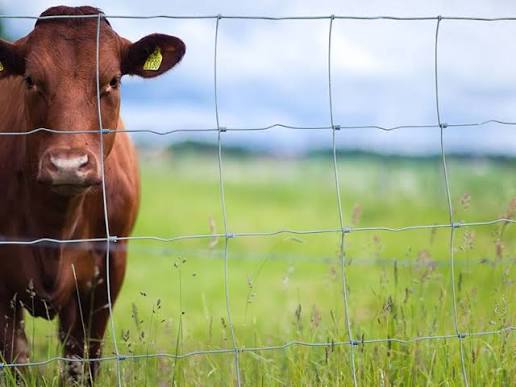
Namibia has recorded 131 confirmed cases of foot-and-mouth disease (FMD) across 18 farms in the Karasburg Veterinary District of the //Kharas Region, as authorities maintain strict livestock movement and slaughter restrictions to contain the outbreak.
Chief Veterinary Officer Dr Kenneth Shoombe confirmed that the outbreak remains confined to the Karasburg Veterinary District, with laboratory tests identifying the virus as Southern African Territory (SAT) 1 serotype.
“As of 15 October 2026, a total of a hundred and thirty-one (131) animals tested positive across eighteen (18) farms with the virus circulating, confirmed as FMD serotype Southern African Territory (SAT) 1,” Shoombe said.
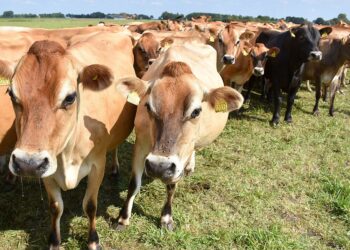
He said intensified disease surveillance, livestock movement controls and the tracing of animals moved from infected areas before the outbreak was detected remain in force under the Animal Health Act.
The restrictions continue to affect livestock movement, slaughtering and the transportation of raw meat and animal products, particularly within the //Kharas Region.
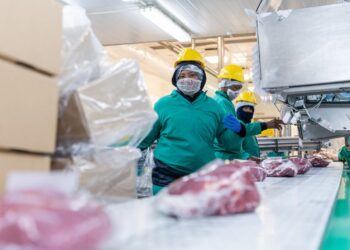
“Movement of raw meat and animal products from butcheries, abattoirs, slaughterhouses, informal slaughter slabs, cold storages in //Kharas Region remains restricted,” Shoombe said.
However, raw meat and animal products from registered facilities outside the region may still be transported into //Kharas for retail or personal consumption, provided the necessary documentation is presented.
Meat purchased from retailers within the region may also be transported for personal consumption, subject to proof of purchase.
Outside //Kharas, but south of the Veterinary Cordon Fence, animals held at registered feedlots and quarantine facilities may be moved directly to registered abattoirs for slaughter, subject to strict veterinary conditions.
These include confirmation that no new animals have entered the holding facilities during the preceding 30 days, the implementation of biosecurity measures and negative FMD test results following clinical examinations and sampling.
Shoombe said slaughtering animals on farms or homesteads for commercial sale remains prohibited until further notice.
“Slaughtering at the farm/homestead for sale purposes is prohibited until further notice,” he said.
Slaughtering for household consumption remains permitted, provided the meat and related products are not transported away from the premises where slaughtering takes place.
Despite the restrictions, livestock exports may continue for animals already standing and ready for export, excluding those in //Kharas, subject to the importing country’s veterinary requirements.
“Animals standing and ready for export will be allowed to be exported (excluding animals in //Kharas Region) subject to import conditions set by the importing country,” Shoombe said.
The movement and trade of commercially processed meat products, including cooked meat, biltong, dried sausages and pasteurised dairy products from registered facilities, remain permitted nationwide.
Shoombe further confirmed that livestock movement north of the Veterinary Cordon Fence remains permitted, except in the Zambezi Region, where separate disease control measures apply.
He urged farmers and livestock industry stakeholders to remain vigilant and immediately report suspected infections to the nearest State Veterinary Office.
“Farmers, members of the public and stakeholders are urged to be on the lookout and report clinical symptoms of FMD to the nearest State Veterinary Office,” Shoombe said.
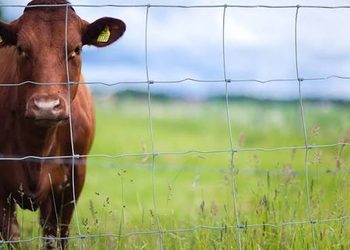
Clinical symptoms of FMD include blisters and wounds in the mouth and between the hooves, excessive salivation, reluctance to move and deterioration in body condition.
Shoombe said the public would continue to receive updates as the disease situation develops, with control measures subject to changes in the outbreak situation.