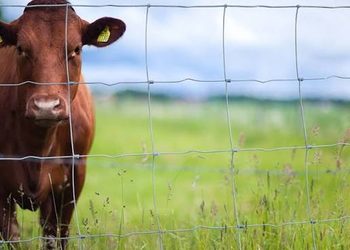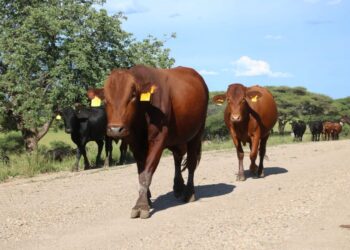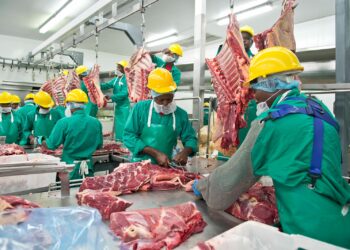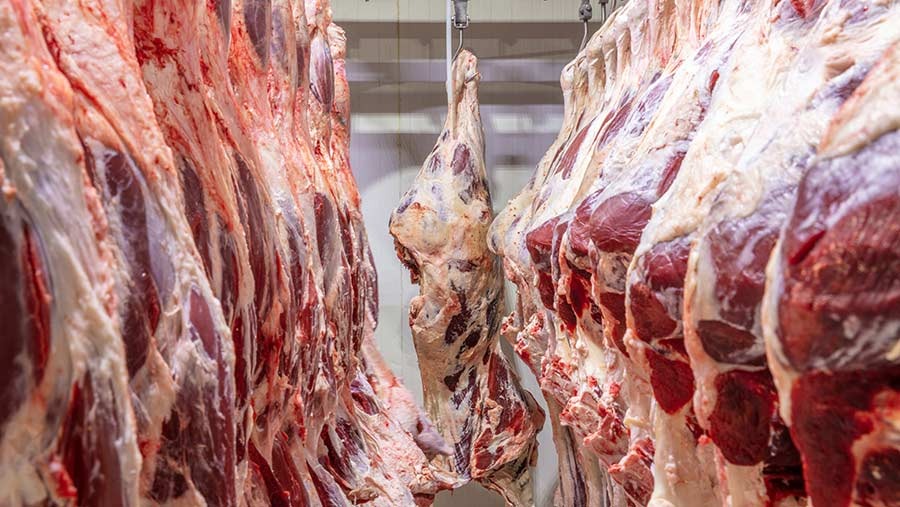
The European Union (EU) has temporarily suspended imports of fresh beef, sheep and goat meat from Namibia’s previously foot-and-mouth disease (FMD)-free zone, following the outbreak confirmed in the //Kharas Region last month.
The restrictions also cover meat from certain farmed and wild ungulates and some processed meat products, including biltong and jerky-type products, according to a statement issued by the EU Delegation to Namibia on Monday.
The decision follows confirmation of Namibia’s first FMD outbreak in the affected zone on 23 September 2026 at a commercial farm in the Karasburg State Veterinary District. The World Organisation for Animal Health subsequently suspended Namibia’s FMD-free status with effect from 22 September.
The EU said the temporary restrictions were imposed to protect animal health and are consistent with international standards.
However, processed meat that has undergone the most stringent risk-mitigation treatment prescribed under EU legislation remains eligible for export to the European market.
The measure was published in the Official Journal of the European Union on 5 October, with 23 September set as the cut-off date for affected products entering the bloc.
Fresh meat consignments certified by Namibian authorities before 23 September may still be allowed into the EU for a period of 90 days from that date, subject to EU legislation and decisions by border control authorities in individual member states.
The suspension represents a setback for Namibia’s livestock and meat export industry, with the EU acknowledging that the FMD outbreak could have wider consequences for farmers and the economy.
“The EU has been informed by Namibian authorities of the foot and mouth disease outbreak on 23 September 2026 on a commercial farm in the Karasburg State Veterinary District, //Kharas Region,” the EU said.
“FMD is one of the most serious and highly contagious of animal diseases. We are saddened by this outbreak and recognise the serious impact this will have on Namibia animal health status, farmers’ livelihoods and the wider economy.”
The EU stressed that the restrictions do not affect Namibia’s preferential market access under the EU-SADC Economic Partnership Agreement, but apply specifically to animal-health requirements for affected products.
EU Ambassador to Namibia Ana Beatriz Martins said the bloc would continue working with Namibian authorities and could review the restrictions as the animal-health situation improves.
“Namibia has responded with speed and transparency, and we commend its veterinary services for their professional response,” Martins said.
“We stand ready to continue working with the Namibian Government and its veterinary authorities as they work to contain the outbreak and protect farmers’ livelihoods. We are also assessing how we can further support Namibia in this difficult task.”
The EU said it would continue assessing the epidemiological situation in cooperation with Namibia and review the measures when animal-health conditions allow.