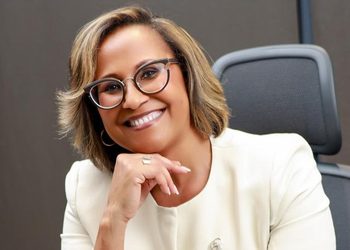
By Isobel Manuel
Defining Creative Cultural Tourism for Namibia
I have researched extensively on the potential of creative cultural tourism as a tool for local economic development and more specifically for women in rural communities in Namibia during my postgraduate studies.
This tourism product is a combination of the creative sector, culture sector and the tourism industry.
Namibia at present is focusing on these sectors to aid with local economic development and diversifying the current tourism product.
The holistic definition of creative tourism is a form of tourism that offers the visitor opportunities to develop their creative potential through active participation in courses and learning experiences, which are typical for communities and destinations where they are undertaken (Duxbury et al., 2021).
Creative tourism places emphasis on intangible culture rather than static, tangible cultural heritage. Creative tourism is considered as an evolution of cultural tourism directed towards a more engaged and authentic creative cultural tourism experience.
In the context of Namibia we can break down the holistic definition and agree that Namibia can potentially use creative cultural tourism as a tool for local economic development. Namibia is rich in culture with as much as thirteen ethnic groups.
The culture and traditions of these communities are sought after by locals as well as international tourists that would like to understand and experience these rich cultures. One of the key features of creative tourism is that the tourist temporarily takes the role of an active member of the local community and its lifestyle.
As Namibia is seen as a friendly and welcoming destination, welcoming tourists into our daily lifestyle should be no problem. And this is the heart of creative cultural tourism, allowing the tourists access into our everyday life while at the same time earning a livelihood from these interactions.
Tourist seek for authentic experiences through informal and hands-on creative experiences as they no longer want to be the passive and static consumer of experiences but a more active consumer of the tourism experiences.
Creative cultural tourism and local economic development
Imagine a Saturday morning where a group of tourists have booked a morning of cooking typical Namibian dishes with local women and pays at minimum N$ 2500.00 per participant.
The total cost for preparing the dish being taking into consideration and the women make a profit of N$ 1250.00 per participant.
This cooking interaction as allowed the creative tourist to have an authentic cultural cuisine experience which can lead to self-development (improving your self-awareness and skills to reach your full potential) aid with the development of new skills (the cooking is done in a traditional manner that the tourist has not done before) and thus provides the creative tourist with a meaningful experience with the local community.
Notwithstanding the revenue generated but the potential to have the tourist refer others to experience the same authentic cultural cuisine experience can ensure that the cooking experiences with the local ladies are booked for months in advance.
There are notable case studies (Grandma Cooking Barcelona; Bo-Kaap Cape Malay Cooking Experience etc.) across the greater tourism industry that can attest to how an activity as simple as cooking with local women can aid to better the living conditions of the local women and their communities.
Lessons for engaging in creative cultural tourism in Namibia
Namibia has the potential to actively engage in creative cultural tourism activities and as such diversify the current tourism landscape. As mentioned creative cultural tourism is depended on the transmission of intangible knowledge from generation to generation.
Our example above of the cooking lessons is one such where women predominately are at the forefront of transmitting these skills and knowledge that is needed for the creative cultural tourism experience.
There is limited infrastructure needed to start-up, (clean and open kitchen space with the right number of utensils) and a passion for making the experience memorable for the guest is important.
It sounds simple to set up but if done with the mind set of exceeding the tourist expectations and providing an authentic experience, the small kitchen where this experience was born can transform into a well-known cooking experience in Namibia.
Creative cultural tourism aims to open new possibilities in developing lesser-known areas of a tourism destination.
This makes it ideal for the local communities to actively explore the potential of creative tourism in their localities and how they can use their local cultures and creativity to benefit themselves financially and at the same time work towards the preservation of local skills and knowledge for the generations to come.
*Dr. Isobel Manuel is an academic researcher with a PhD in Hospitality and Tourism Management and over a decade experiences in higher education, leadership and industry engagement. She currently is affiliated with the Windhoek Country Club where she serves as a board member, the National Heritage Council where she serves as a committee member for the Heritage Protection Committee. The views expressed in this opinion article is solely my own and does not represent the views of my affiliations.