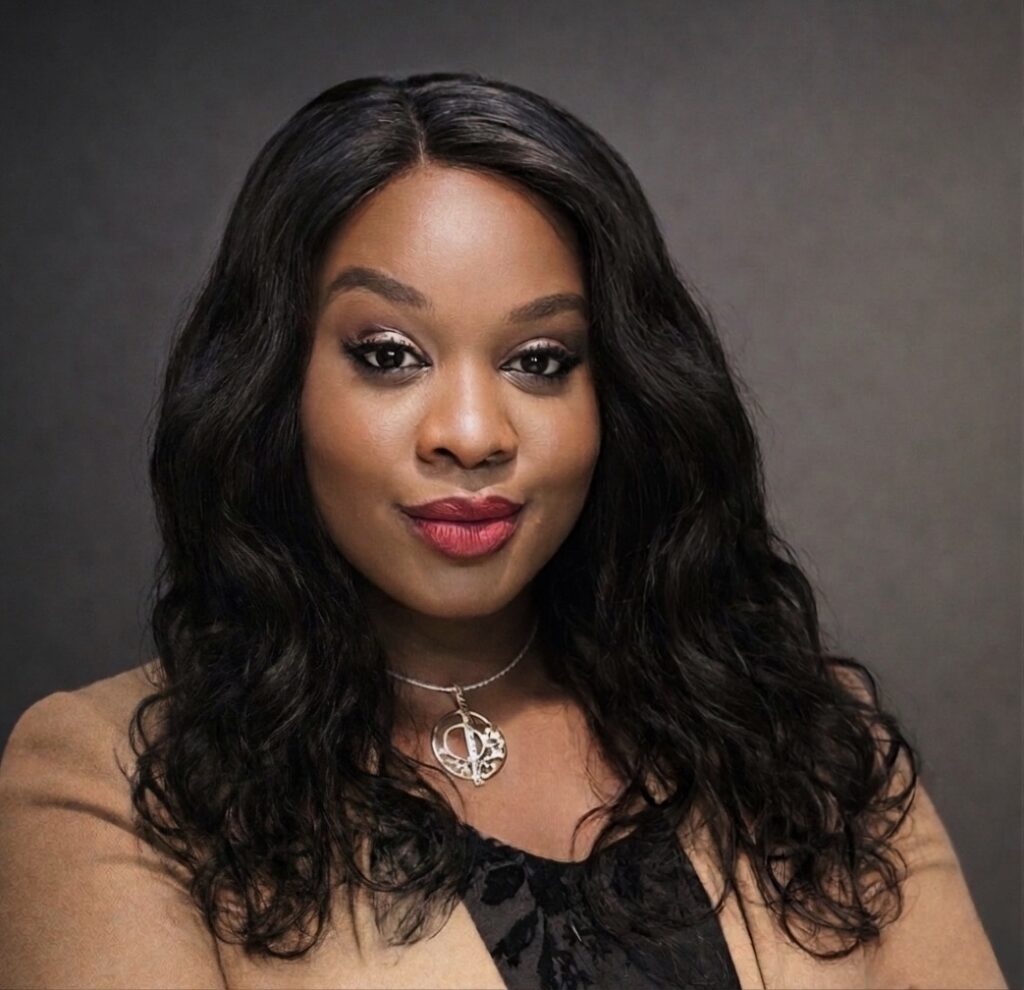
By Chisom Obiudo
A single recording session could give a voiceover artist an unexpected competitor: a digital copy of their own voice.
A Windhoek artist might record a radio advert for a local bank and receive payment for the agreed work, only to hear what sounds like their own voice promoting another product a year later.
The words are unfamiliar. The artist never recorded them. Someone has used AI to imitate their voice.
The example is fictional, but the technology exists. Voice-cloning systems can mimic a person’s voice from a short recording. A voice artist could lose paid work and appear to endorse a product or message they never approved.
Namibia needs to protect writers, performers and artists from unauthorised use of their work and identity. These professionals also need opportunities to use AI to develop services, reach customers and earn income. Preventing misuse alone will not replace lost commissions.
What the existing law protects
Namibia’s Copyright and Neighbouring Rights Protection Act 6 of 1994 protects works such as scripts, music and illustrations, as well as performers. Section 47(1)(b) generally requires consent before recording a performance that has not already been recorded.
Section 47(1)(c)(ii) also restricts copying a recorded performance for any purpose beyond the scope of the original consent. Permission to record an advert should therefore not be treated as permission to copy that recording for any purpose.
The Act also limits these protections. Section 50(2)(b) permits short excerpts without the performer’s consent for criticism or review of a performance, or for reporting on a current event, but only to the extent justified by that purpose and with the performer’s name acknowledged where available.
Section 50(2)(c) also permits use for teaching or scientific research. Section 50(1) provides that section 47(1) ceases to apply to a performance incorporated, with consent, into a visual or audiovisual recording, such as a video. These provisions make the type of recording and the agreed contract terms important.
Where a performer’s rights are infringed, section 52(b) allows a claim for damages (financial compensation), an interdict, or both.
An interdict is a court order that can stop the infringement. These are remedies available where the performer establishes an infringement; they do not automatically render every AI imitation unlawful.
Voice cloning raises a different question: what happens when AI generates new speech that sounds like an artist, rather than replaying the artist’s recording?
The legal analysis must distinguish between copying the original recording and imitating the person’s voice. Consent to one should not be assumed to authorise the other.
The Act does not expressly set out when consent or payment is required to create and use an AI imitation of someone’s voice.
That does not mean every use of a replica is lawful. Copying recordings to create the imitation may infringe the performer’s rights if the copying goes beyond their consent and no legal exception applies.
The unanswered policy question is how the law should give a person control over new AI-generated speech that imitates their voice.
This challenge is further complicated because recordings may be scraped, or a voice model deployed, by a company outside Namibia. Local artists may then find it difficult and costly to enforce their rights against offshore AI developers.
Copyright reform needs to address AI directly
The Business and Intellectual Property Authority (BIPA) describes a proposed copyright levy on copying devices and storage media to compensate rights holders for private copying.
Rights holders are the people or organisations entitled to control the use of protected material. The levy addresses copying, not permission to generate new speech in an artist’s voice. Paying it would not, by itself, authorise voice cloning.
Text and data mining involves using computers to analyse collections of material for patterns. EIFL’s November 2021 comments on Namibia’s draft Copyright and Related Rights Bill addressed this in relation to libraries, educational establishments, museums and archives whose activities do not provide a direct or indirect commercial benefit.
The draft wording reproduced in those comments also required those institutions to have obtained the material lawfully. That historical draft cannot be read as blanket permission for companies to train commercial AI systems on Namibian creative work.
Copyright reform should address practical questions about AI training: when must a developer obtain permission to copy protected material, when may copying proceed without permission, and how can an affected creator stop unlawful copying or seek compensation? Clear answers would help both creators and developers decide what they can do before investing time and money.
International examples offer useful approaches. In June 2025, Denmark proposed protecting people against realistic digital imitations of their appearance and voice, while preserving parody and satire. The European Commission has questioned whether copyright is the right tool, but the proposal shows lawmakers treating identity, not only recordings, as worthy of protection.
Contracts can set out consent without waiting for new legislation. SAG-AFTRA, the US performers’ union, secured protections for digital replicas in its 2025 video game agreement. The agreement requires clear, conspicuous written consent and a reasonably specific description of the intended use. Namibian performers and commissioning organisations could negotiate clauses specifying whether a voice replica may be created and how it may be used.
Clearer rights would help creatives control how their work is used. Their future income will also depend on whether they can use AI to offer services that customers want to buy.
Creatives can also build businesses with AI
Legal protection alone cannot create customers. Writers, voice artists and illustrators also need practical ways to turn their skills into services that people will pay for.
A scriptwriter who supplies radio scripts could learn to combine writing with AI-assisted video production and editing.
The service could include developing an advert’s concept, writing its script, producing a short video, and adapting it for different social media platforms.
A local business could buy a monthly package of adverts and product explainers. The writer could charge for the completed package, including production and revisions.
A voice artist could provide narration, audio editing and pronunciation checks for training materials or tourism content.
An artist who chooses to license an AI version of their voice should negotiate the named customer, approved scripts or subject matter, platforms, duration and payment.
The agreement should specify which further uses require fresh approval and additional fees. It should also address access to the replica and whether it must be disabled or deleted when the licence ends. Before agreeing, the artist should consider whether the replica could reduce demand for their live recording sessions.
An illustrator could use AI to explore layouts or colour combinations, then draw, edit and review the finished work. Services could include illustrated lessons, campaign artwork and storyboards that show the planned scenes of a video.
Each service needs a customer who has a reason to pay for it. A tourism operator may need videos explaining visitor activities.
A training provider may need illustrated lessons. A retailer may need product demonstrations. A creative who understands the audience can verify local names, pronunciation and cultural references that an AI tool may get wrong.
A practical starting point is to choose one service and create three sample pieces using material the creative owns or has permission to use. The next step is to show those samples to prospective customers and ask what they would commission and pay for.
Prices should cover software, production time, revisions, and the uses the customer is buying, such as a three-month advertising campaign. Before uploading recordings or client material, the creative should check whether the tool provider can use those uploads for AI training and whether the terms allow the finished output to be sold or used in advertising.
Learning these skills cannot guarantee that existing jobs will survive. It can help creatives compete for different commissions and reduce reliance on a single type of work. Training should therefore cover finding customers, preparing quotations, negotiating contracts and checking the finished work, alongside using the tools.
For these services to generate income, creatives need affordable training, clear rules governing the use of their work, and organisations willing to pay for local production.
Four priorities for Namibia
Clear consent for digital replicas. Reform should specify when permission is required to create or use an identifiable imitation of a person’s voice or appearance. For commercial uses, written agreements should set out the approved purpose, duration and payment.
Lawmakers should define when uses such as parody, criticism and reporting may proceed without consent, and guard against false commercial endorsements. People should have a clear procedure for requesting the removal of unauthorised content and for seeking compensation.
Clear rules for AI training. Reform should distinguish between training AI systems for commercial use and training for research by universities and other research institutions.
For each use, the law should specify when permission or payment is required and when an exception applies. If an organisation licenses material on behalf of creators, it should identify whose rights it represents, publish its fees, and explain how it calculates and distributes each creator’s share.
Disclosure that audiences can understand. An advert using an AI-generated voice or person should disclose this where viewers or listeners could otherwise mistake it for a real performance.
The commissioning organisation should retain the performer’s written permission and the agreed limits on use. Labelling a voice as AI-generated does not replace permission to imitate the person.
Practical support for creative livelihoods. Public programmes could fund training, software access and paid commissions for local writers, performers and designers.
When designing funding and procurement criteria, public bodies should assess how to include paid local creative roles within their procurement powers and budgets. Programme results should include completed projects, paying customers and income earned by participants.
What governing bodies should ask
Boards of broadcasters, advertising agencies and businesses that commission creative work should require management to establish who owns the recordings and artwork in use, which permissions have been obtained, and whether those permissions cover the proposed AI use.
Missing permissions can lead to disputes, withdrawal of a campaign and loss of trust among customers and artists.
Directors should ask management: Which productions use AI-generated voices, images or scripts? Do our contracts separately address copying material for AI training, creating replicas and using them in subsequent campaigns?
Can suppliers provide evidence of the necessary permissions? Which manager checks those permissions and approves the finished production?
Boards should also ask which new services their creative teams and suppliers could offer using AI. Management should identify the customers, production costs and required skills, and explain who will verify accuracy, pronunciation, cultural references and permissions before delivery.
Local artists should be able to decide whether a digital version of their voice promotes a product, how long it is used, and what payment they receive.
They should also be able to learn the tools, negotiate contracts, and compete for new commissions. Protecting creative livelihoods means giving people control over their work and practical ways to continue earning from their skills.
Chisom Obiudo is an admitted legal practitioner of the High Court of Namibia specialising in corporate governance and AI governance. She is currently a Chief Legal Officer at the Namibian Law Reform and Development Commission.