Namibia’s reliance on imports for about 70% of its food requirements could leave households increasingly exposed to higher food prices if an emerging El Niño weather pattern cuts agricultural production across Southern Africa, the World Food Programme (WFP) has warned.
The warning comes as inflation rose to 4.4% in July 2026, the highest monthly annual rate recorded so far this year, adding pressure on household purchasing power.
In its August 2026 Country Brief covering July, WFP warned that below-average rainfall forecast across Southern Africa could reduce agricultural output and disrupt regional cereal supplies on which Namibia depends.
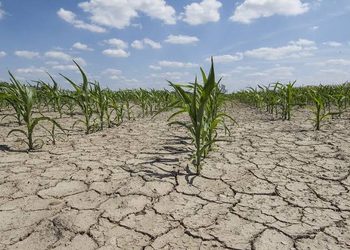
“Climate and food security risks are expected to increase in 2026 as a developing El Niño event is forecast to bring below-average rainfall across Southern Africa,” WFP said.
“Reduced rainfall could lower agricultural production and disrupt regional cereal supplies. Given Namibia’s 70% reliance on food imports, these disruptions could drive up food prices and increase household vulnerability.”
The warning highlights Namibia’s exposure to agricultural conditions beyond its borders, with disruptions to food production in neighbouring countries potentially feeding directly into domestic food prices.
WFP said the threat comes as many Namibian communities are still recovering from the 2023/24 drought, increasing the vulnerability of households to another period of weaker rainfall and higher food costs.
Rising consumer prices are already adding to the pressure. WFP said inflation reached 4.4% during the reporting period, potentially eroding household purchasing power, particularly among vulnerable households and people dependent on low or fixed incomes.
The scale of existing food assistance also points to continued pressure on vulnerable communities.
More than 117,000 households received food assistance during July, while over 51,000 children received meals at Early Childhood Development Centres. More than 4,700 tonnes of rice were distributed.
WFP is also supporting the government’s Home-Grown School Feeding programme, which currently reaches about 466,860 learners, equivalent to 86% of Namibia’s school-age children.
The organisation said efforts are under way to strengthen links between school feeding and domestic agricultural production, including increasing procurement from smallholder farmers.
A recent learning mission to Zambia and Rwanda is expected to inform Namibia’s approach to expanding local procurement and strengthening food systems.
Brazil has meanwhile contributed N$1.9 million, equivalent to about US$120,000, towards five food security, nutrition and livelihood projects in Otjozondjupa, Omaheke, Hardap, Kunene and Ohangwena.
The projects combine horticulture, poultry production and livelihood activities, with some of the fresh produce expected to support school meals and soup kitchens serving vulnerable communities.