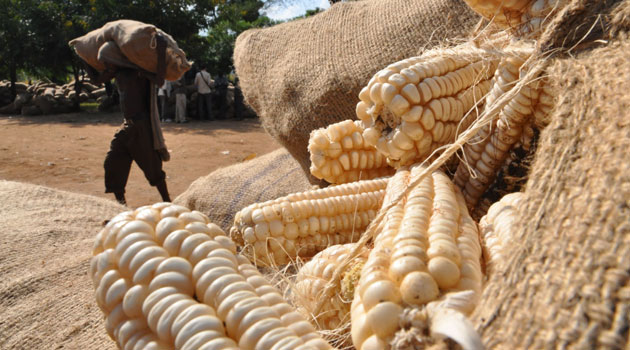
Namibia imported maize worth N$320 million during the first quarter of 2026, cementing the grain’s position as the country’s largest agronomic import despite a sharp decline in overall agricultural import spending.
The latest Quarterly Agriculture and Fishing Indicator Statistical Bulletin released by the Namibia Statistics Agency (NSA) shows maize accounted for the largest share of agronomic imports, followed by wheat valued at N$140 million.
Speaking at the release of the report, NSA Manager for Industry and Environment Statistics Bertha Nghoshi said total agronomic imports declined by 52.1% to N$467.7 million during the first quarter, down from N$976.6 million recorded during the corresponding period in 2025.
“On the import side, maize was the most imported agronomic product, valued at N$320.0 million, followed by wheat valued at N$140.0 million. These products were mainly sourced from South Africa (71.4%), Lithuania (20.1%) and Poland (8.2%),” she said.
The figures highlight Namibia’s continued reliance on imported staple grains, particularly maize and wheat, to meet domestic demand.
While imports fell sharply in value, domestic crop production improved during the quarter.
Total agronomic production increased by 32.6% to 2,171 tonnes from 1,657 tonnes recorded during the first quarter of 2025.
Wheat accounted for the largest share of domestic production at 1,565 tonnes, followed by white maize at 597 tonnes and mahangu (pearl millet) at nine tonnes.
Despite higher production, exports from the agronomic sector weakened considerably.
Agronomic exports declined by 82.8% to N$303,000 from N$1.8 million recorded during the same quarter last year.
Wheat remained Namibia’s leading agronomic export, generating N$217,600 and accounting for 89.3% of total export earnings.
Angola remained the dominant export market, absorbing 99.9% of the country’s agronomic exports.
“During the period under review, exports of agronomic products were valued at N$303,000. Compared to the N$1.8 million recorded in the first quarter of 2025, this represents a decline of 82.8%,” Nghoshi said.