Namibia’s fishery exports increased to N$4.4 billion in the first quarter of 2026 despite a decline in fish landings.
The latest Quarterly Agriculture and Fishing Indicator Statistical Bulletin released by the Namibia Statistics Agency (NSA) shows fishery exports rose by 6.5% from N$4.1 billion recorded during the corresponding period in 2025.
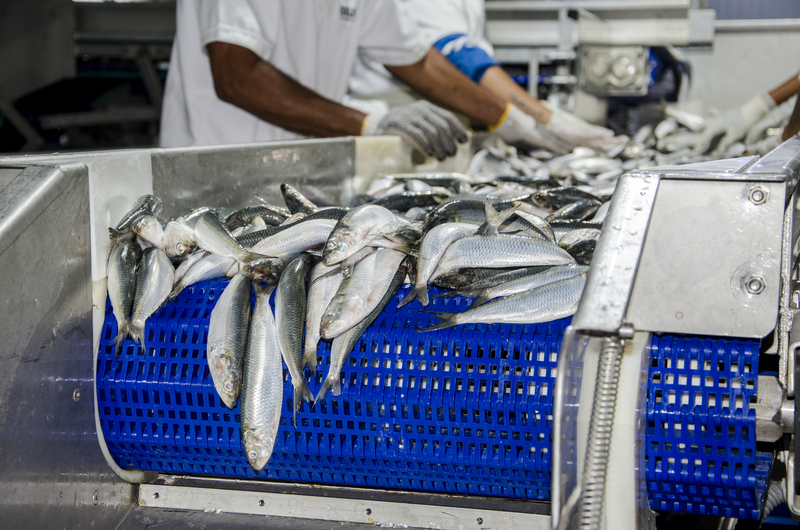
At the same time, total fish landings fell by 5.6% to 92,853 metric tonnes from 98,389 metric tonnes a year earlier.
Speaking at the launch of the report, NSA Manager for Industry and Environment Statistics Bertha Nghoshi said horse mackerel remained the country’s most landed species at 53,418 metric tonnes, followed by hake at 34,985 metric tonnes and monkfish at 2,855 metric tonnes.
“During the first quarter of 2026, a total of 92,853 metric tonnes of fish were landed. Of this total, horse mackerel accounted for 53,418 metric tonnes, hake for 34,985 metric tonnes, and monkfish for 2,855 metric tonnes. Compared to the 98,389 metric tonnes landed during the first quarter of 2025, this reflects a decline of 5.6%,” she said.
Despite weaker landings, Namibia maintained a fishery trade surplus of N$4.2 billion as exports continued to significantly outpace imports.
Fishery imports rose by 29.6% to N$159 million during the quarter, compared to N$122.7 million in the first quarter of 2025.
Spain remained Namibia’s largest export destination, accounting for 28.8% of fishery exports, followed by Zambia with 24.5%.
Frozen hake fillets and frozen horse mackerel were the country’s main export products.
On the import side, South Africa supplied 42.2% of Namibia’s fishery imports, followed by the Falkland Islands at 12.8% and Chile at 9.7%.
The main imported products included hake cutlets, squid, frozen jack mackerel and horse mackerel.
Meanwhile, activity in the livestock sector also strengthened during the quarter.
The NSA reported that livestock auctions increased by 32.1% year-on-year to 118,175 animals, compared to 89,428 during the first quarter of 2025.
Cattle accounted for the largest share of livestock auctioned at 68,155 head, followed by 26,685 goats and 23,335 sheep.