The Namibian government has begun the process of establishing a dedicated Tax Court within the High Court system to hear income tax and value-added tax disputes following the tabling of amendments to the Income Tax Act in Parliament.
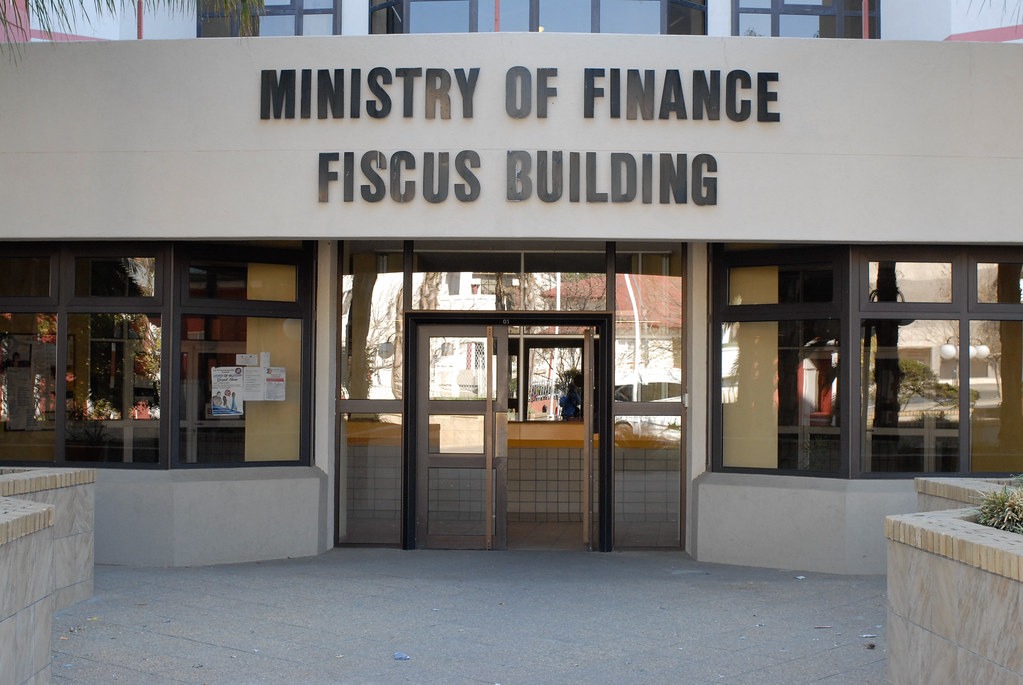
Finance Minister Erica Shafudah introduced the proposed legislation in the National Assembly on Tuesday, saying the reforms seek to restore a specialised forum for tax appeals while strengthening the separation between executive and judicial functions.
According to the minister, the proposed amendments will establish a Tax Court to hear appeals relating to income tax and value-added tax matters and provide the administrative and procedural framework governing tax hearings.
Under the new structure, the Tax Court will form part of the High Court hierarchy in line with the Constitution and will operate as an independent judicial institution.
“The Tax Court will be an independent judicial institution that will be tasked to render fair and objective decisions that are free from external influence, and it will serve as the guardian of transparency and fairness,” Shafudah said.
She added that the court will strengthen public confidence in Namibia’s tax system and improve access to specialised tax dispute resolution.
The proposed amendments also clarify the roles of the Minister of Finance and the Namibia Revenue Agency (NamRA) by replacing references to the minister with the commissioner in matters relating to tax administration and collection.
The bill further establishes a clear appeals hierarchy, with the Tax Tribunal remaining the first forum for taxpayers disputing assessments issued by NamRA, while the Tax Court will hear appeals against decisions of the tribunal.
Transitional provisions contained in the bill will allow matters that were pending before the former Special Tax Court to be heard by the newly established Tax Court once the legislation comes into effect.
The move follows a 2021 High Court ruling that declared provisions governing the former Special Tax Court unconstitutional because the Minister of Finance had the power to both constitute the court and appoint its members while also administering the tax legislation under which disputes arose.
“The effect of the order made by the High Court of Namibia meant that the Special Tax Court ceased to exist as an institution under the law. Taxpayers were therefore left without a specialised legal forum to which they could turn to have their matters heard,” Shafudah said.
Shafudah urged lawmakers to support the amendments, saying they would enhance fairness, transparency and judicial independence in the administration of Namibia’s tax laws.