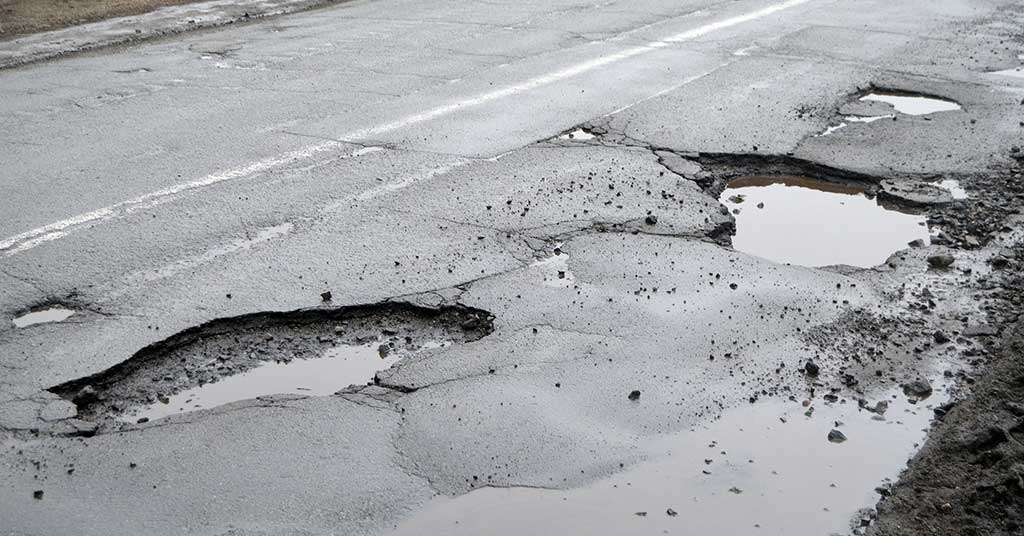
The City of Windhoek repaired more than 85,000 potholes and rehabilitated nearly 69,000 square metres of damaged road surfaces over the past 16 months, as the municipality continues to battle a growing maintenance backlog and funding shortfalls.
Mayor Sakaria Uunona revealed that 85,074 medium-sized potholes and 68,765 square metres of large-scale patchwork repairs were completed between 1 February 2025 and 31 May 2026.
The repairs were carried out across various suburbs under the city’s scheduled road maintenance programme.
“Contractors have been appointed in line with the Public Procurement Act, ensuring compliance and transparency in the repair programme,” Uunona said during the fifth ordinary council meeting.
The latest figures underscore the scale of infrastructure challenges facing the capital following extensive road damage caused by the 2024/25 rainy season.
According to the municipality, approximately 650 streets were affected, creating a substantial repair backlog and placing additional pressure on already constrained maintenance budgets.
Despite the progress, the city continues to face a significant funding gap.
Uunona said Windhoek requires approximately N$384 million annually for routine road maintenance, excluding an additional N$353 million needed to repair rain-related damage.
“As reported on previous occasions in this August House, the city requires approximately N$384 million annually for road maintenance, for which no revenue is collected from road users by means of tariffs or levies,” he said.
The mayor further noted that the municipality receives only between 5% and 10% of the support it requires from the Road Fund Administration, despite maintaining roads heavily utilised by motorists.
Municipal officials argue that maintaining the city’s road network is essential not only for commuter safety but also for economic activity, logistics and trade.
“The programme is implemented across suburbs according to scheduled timeframes, ensuring equitable service delivery,” Uunona said.
Beyond road repairs, the city is also investing in waste management infrastructure.
A total of 35 skip containers were procured in January 2026, with five allocated to Havana. The municipality plans to acquire a further 50 skips in the next financial year, including 20 earmarked for Havana.
The City of Windhoek believes the combined investment in road infrastructure and waste management will improve service delivery, reduce operational bottlenecks and support economic activity across the capital.
However, with road maintenance needs continuing to outpace available funding, the municipality faces an ongoing challenge to keep up with infrastructure deterioration while balancing competing service delivery priorities.