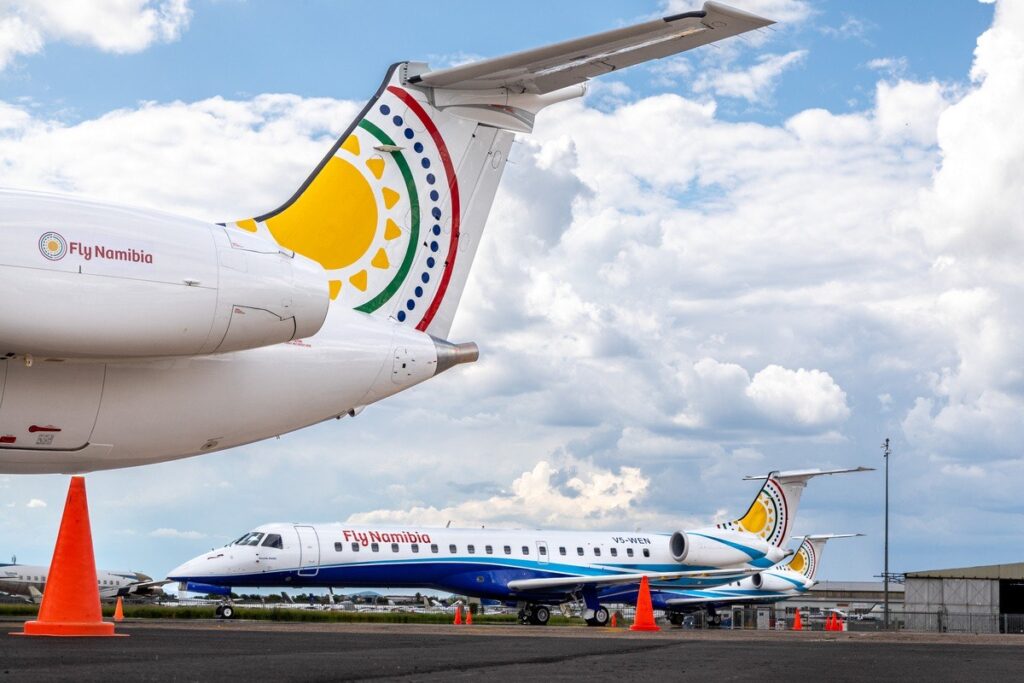
FlyNamibia has pointed to high operating costs, limited competition in fuel supply and weak demand as key drivers behind its ticket pricing on the Ondangwa route.
The airline said pricing is largely determined by supply and demand, arguing that higher passenger volumes would allow it to reduce fares over time. It has called on government to increase seat uptake to help stimulate demand and bring down ticket prices.
“Airfares are fundamentally driven by supply and demand. As demand increases, the cost per passenger can decrease, creating room for lower fares,” the airline said.
However, FlyNamibia warned that most of its cost base remains outside its control, with about 67% of operating costs tied to externally determined prices.
Fuel remains the single biggest pressure point. The airline said both Eros and Ondangwa airports are served by a single fuel supplier, effectively creating a monopoly with no pricing competition. Fuel costs have risen sharply in recent weeks, driven in part by global supply pressures, including tensions in the Middle East.
In addition to fuel, ticket prices are also influenced by a range of levies, taxes and regulatory charges, which further increase the final cost to passengers.
The airline said it continues to pursue cost efficiencies but acknowledged limited room to manoeuvre given the structure of its expenses.
FlyNamibia also highlighted its position as a privately funded carrier, noting that it operates without government subsidies while contributing to the fiscus through taxes and fees.
The airline said it supports more than 500 jobs and continues to invest in skills development, including training for pilots, maintenance engineers and graduates.
Despite mounting pressure over fares, FlyNamibia said it remains open to engagement with government and industry stakeholders to address structural cost challenges and improve access to air travel.
The airline argued that a coordinated approach to boosting demand and tackling cost drivers will be key to reducing fares on domestic routes.
This comes as the Minister of Works and Transport, Veikko Nekundi, has warned airlines operating in Namibia that they have six months to significantly reduce domestic airfares or face government regulation. He criticised the high cost of local flights, pointing to a recent case where a one-way ticket to Ondangwa exceeded N$9,000.