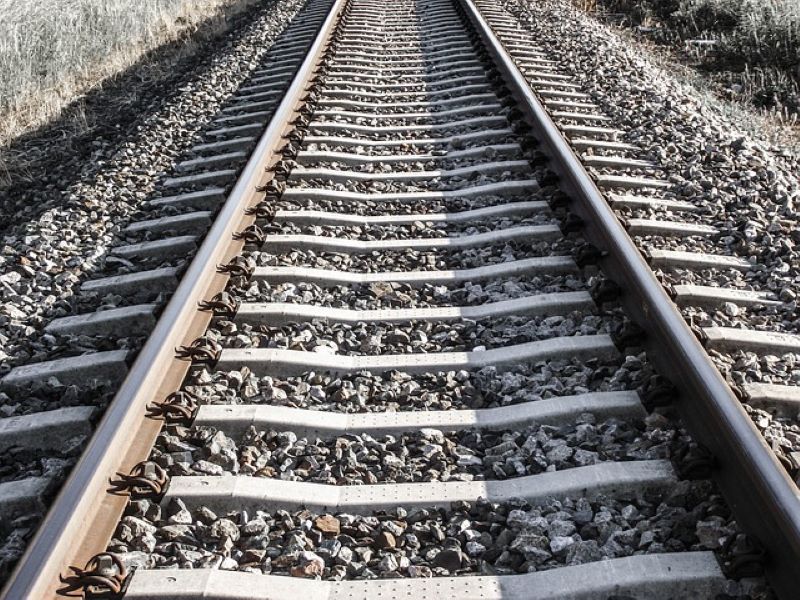
Government is moving ahead with plans to develop a commuter rail system linking Windhoek to Rehoboth and Katutura, with N$13.08 million already spent on a feasibility study that is now 30% complete.
The proposed rail project, first presented to investors at the Invest in Namibia Conference in 2016, is estimated to cost N$2.8 billion and is being supported by funding from the African Development Bank under its Transport Infrastructure Improvement Project.
Minister of Works and Transport Veikko Nekundi said progress on the study signals renewed momentum behind the long-delayed project.
“The consultancy services project for the feasibility study on commuter rail for the Windhoek–Rehoboth and Windhoek–Katutura sections is progressing well at 30%. A total of N$13 million has been spent so far,” he said.
The commuter rail initiative forms part of a broader government push to modernise Namibia’s rail infrastructure and ease transport pressures between key urban and peri-urban areas.
In the 2026/27 financial year, government has allocated N$952.06 million towards the expansion, maintenance and rehabilitation of the national rail network.
Planned works include the start of construction on the Kranzberg–Otjiwarongo railway upgrade, with earthworks already procured for two 50-kilometre sections.
The project will also see continued upgrades to the line, supported by the delivery of rails and turnouts, including a final consignment under Lot 1 and 35,000 tonnes under Lot 2.
Maintenance is also scheduled across several key corridors, including Windhoek–Gobabis, Kranzberg–Tsumeb, Ariamsvlei–Lüderitz, Windhoek–Kranzberg, Grünau–Keetmanshoop and Ariamsvlei–Grünau.
Further expansion projects planned for the period include upgrades to the Otjiwarongo–Tsumeb–Otavi–Grootfontein line, construction of the Ondangwa–Oshakati railway, and the development of a passing loop between Nonidas and Randrifle to ease congestion on existing lines.
Government will also continue efforts to refurbish locomotives and wagons to improve operational efficiency.
In addition, feasibility studies for major regional rail corridors, including the Trans-Zambezi Railway Link and the Trans-Kalahari Railway Project, are expected to be completed as part of efforts to strengthen Namibia’s position as a regional logistics hub.
The commuter rail project is expected to play a key role in improving mobility, reducing congestion and supporting economic activity between Windhoek and surrounding areas, should it proceed to implementation.