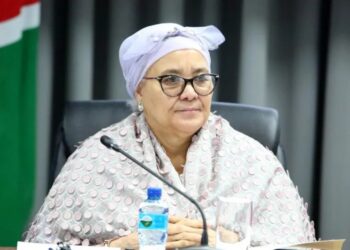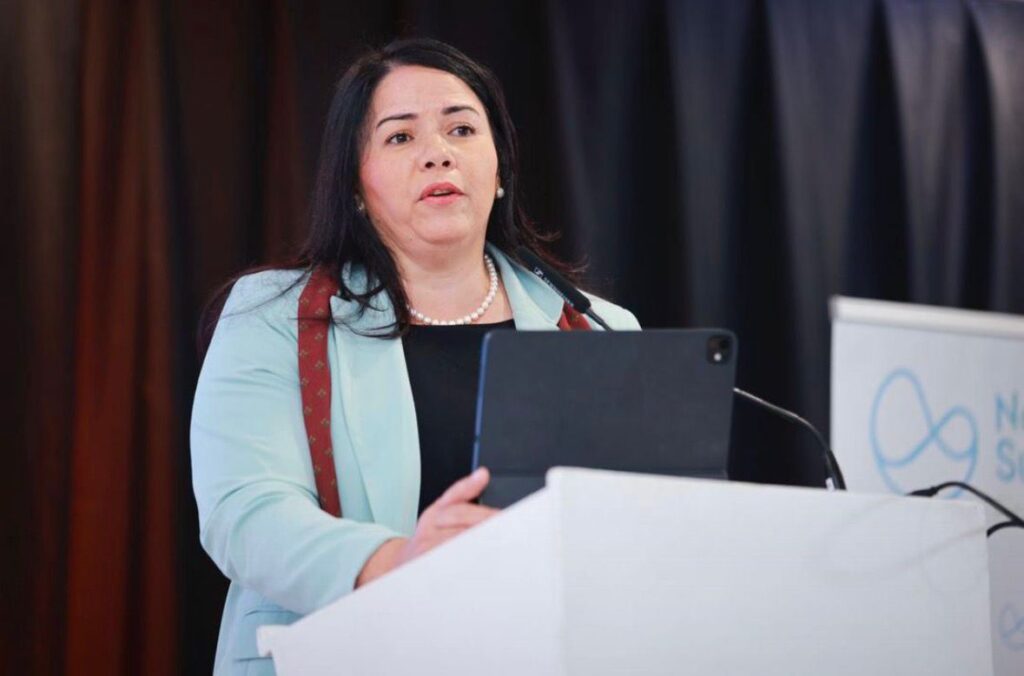
Bank of Namibia Deputy Governor Leonie Dunn has warned that climate-related risks are emerging as a direct threat to financial stability, cautioning that regulation on its own will not be enough to protect the economy.
Speaking at a Namibia Sustainable Finance Alliance event in Windhoek, Dunn said fragmented efforts across the financial system risk undermining the country’s ability to respond effectively to climate shocks.
“System-wide readiness cannot be built through regulation alone. It depends on effective collaboration, a shared understanding, and a greater degree of coherence across institutions,” she said.
Her remarks come amid growing concern that Namibia’s financial sector remains exposed to climate-related disruptions, particularly given the country’s vulnerability to drought and other environmental pressures.
Dunn said stronger alignment between regulators, financial institutions and policymakers is now urgent, warning that policy frameworks that are not grounded in market realities will fail to deliver results.
“It does not matter that regulators put out the rules if they do not reflect what is happening on the ground. They will not drive impact,” she said.
She stressed that the Namibia Sustainable Finance Alliance was created to close these gaps, noting that no single institution has the capacity to drive the transition alone.
“We all need each other. The alliance creates a platform for alignment in an area where no single institution can move the market on its own,” Dunn said.
She added that the initiative also aims to improve the quality of engagement between stakeholders, moving discussions beyond high-level commitments towards practical implementation.
Dunn pointed to persistent weaknesses in data and technical capacity as a key constraint, saying limited access to reliable climate-related information continues to hinder effective risk assessment and decision-making.
She cautioned against treating sustainable finance as a compliance exercise or branding tool, arguing that capital must be directed towards investments that build economic resilience.
“Sustainable finance must support real economic outcomes. It should strengthen the economy against climate shocks, not simply exist as a label,” she said.
Namibia’s recent appointment as co-chair of an African group under the Network for Greening the Financial System was cited as an opportunity to influence global climate finance discussions. However, Dunn said the value of such platforms will depend on active participation from local industry players.
She urged the financial sector to move with urgency, warning that without coordinated action, the country risks falling behind in managing climate-related financial risks.
“The real test is implementation. Without it, we will not achieve meaningful progress,” Dunn said.