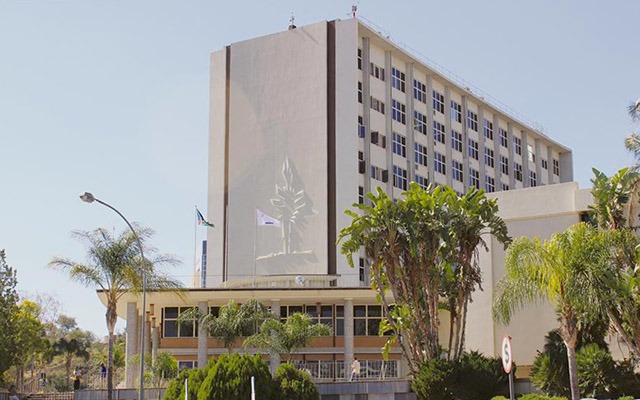
The City of Windhoek is set to cancel and restart the tender process for its planned 25-megawatt (MW) solar photovoltaic project, placing the N$420 million initiative back at the procurement stage.
City of Windhoek Spokesperson, Harold Akwenye told The Brief that the decision follows the latest Council resolutions aimed at ensuring that the procurement process aligns with the City’s strategic objectives and applicable procurement requirements.
“Based on the latest Council resolutions, the current tender process for the 25MW Solar PV Project is to be cancelled and restarted to ensure that the procurement process is aligned with the City’s strategic objectives and applicable procurement requirements,” Akwenye said in an exclusive interview.
The project is therefore not at an advanced stage of implementation, as the City must first conclude the cancellation process, prepare and launch a new tender, evaluate submissions, identify a preferred private-sector partner and obtain the necessary approvals before implementation can begin.
Akwenye confirmed that no recommendation had been submitted to the Public-Private Partnership (PPP) Board under the current procurement process.
He said it would be premature to provide a date for the project’s consideration by the PPP Board or indicate when a decision could be expected, given the Council’s resolution to cancel and restart the existing tender.
The project’s estimated cost remains at N$420 million, based on the initial projection made in 2021. However, the City said the final project value would be determined through the new procurement process and evaluation of proposals.
“The estimated project cost remains at the N$420 million initially projected in 2021 for purposes of the current reference point,” Akwenye said.
He said the City could not provide a definitive construction or commissioning timeline, as this would depend on the completion of the new procurement process, the appointment of a preferred partner, the necessary approvals, financial close and subsequent implementation arrangements.
The City has also not selected a private-sector partner for the project, with the new procurement process expected to determine the successful bidder in accordance with applicable procurement and approval requirements.
The planned generation capacity remains at 25MW. Once operational, the solar plant is expected to increase the City’s access to renewable electricity and diversify its electricity supply.
The City said the project is also intended to strengthen energy security, promote sustainability and help manage long-term electricity costs, although its precise financial impact cannot yet be quantified.
“The precise impact on the City’s electricity costs and renewable energy mix will depend on the final project structure, the outcome of the procurement process, the terms agreed with the selected partner and the plant’s eventual operational performance,” Akwenye said.
The decision to restart the tender leaves the project’s implementation timeline uncertain, with the new procurement process expected to determine its private-sector partner, final cost and implementation arrangements.