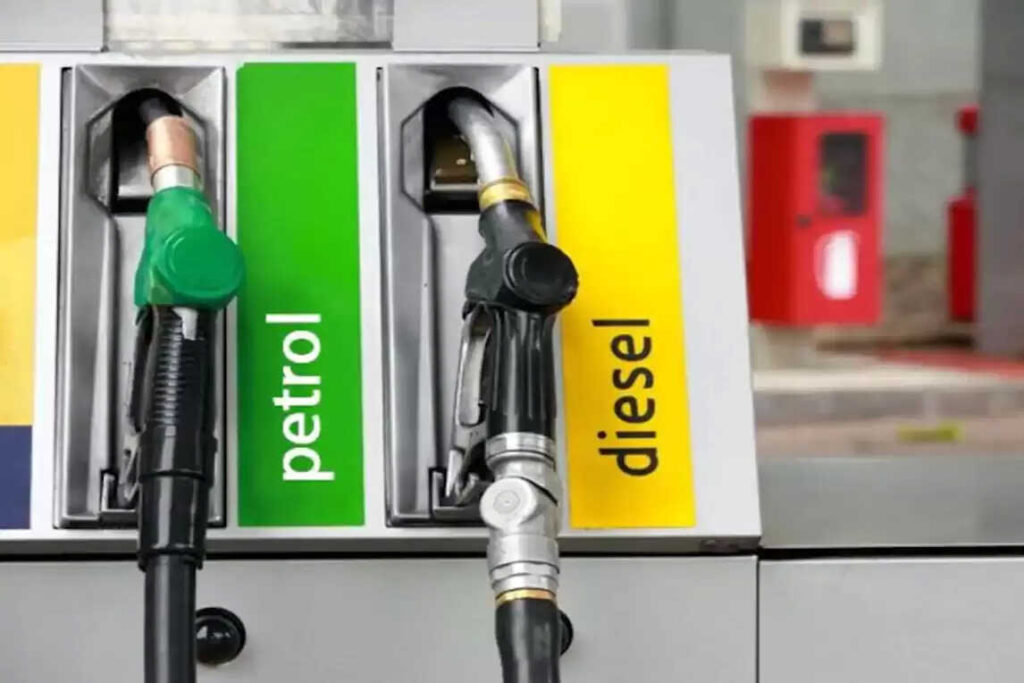
The Minister of Industries, Mines and Energy, Modestus Amutse, announced that petrol prices will rise by N$2.50 per litre, while diesel 50ppm and diesel 10ppm will increase by N$4.00 per litre, as government adjusts domestic fuel prices in response to sustained pressure from international oil markets.
The increases, which take effect from 1 April 2026, come amid continued volatility in global oil prices, driven in part by developments in the Middle East affecting shipping routes and production levels.
At Walvis Bay, the new pump prices will be N$22.08 per litre for Petrol 95, N$23.63 per litre for diesel 50ppm, and N$23.73 per litre for diesel 10ppm. Inland prices will be adjusted accordingly.
Amutse said the adjustments are necessary to align local prices with international market conditions, while maintaining the sustainability of Namibia’s fuel pricing framework.
Despite the increases, the minister assured the public that the country’s fuel supply remains stable, with current stock levels sufficient to meet national demand for between one and two months.
Namibia’s fuel supply system is supported by imports through the port of Walvis Bay, as well as storage infrastructure including the National Oil Storage Facility and facilities operated by oil marketing companies.
The system is further strengthened through strategic stockpiling, regular import scheduling, close coordination with oil marketing companies, and diversified sourcing from international markets.
“At this stage, there are no supply disruptions affecting Namibia. The risk we are managing is primarily price-related, not availability-related,” Amutse said.
He also addressed reports of panic buying, stating there is no need for concern as fuel stocks remain adequate and supply systems are functioning normally.
The minister urged the public to purchase fuel responsibly and avoid unnecessary hoarding, noting that petroleum products are hazardous and require proper storage in compliance with safety standards.
Government further warned against the illegal resale of fuel, emphasising that only licensed entities are permitted to sell petroleum products under the Petroleum Products and Energy Act of 1990.
“Namibia’s supply system remains stable, and we urge all citizens to remain calm and avoid unsafe practices or illegal fuel trade,” Amutse said.