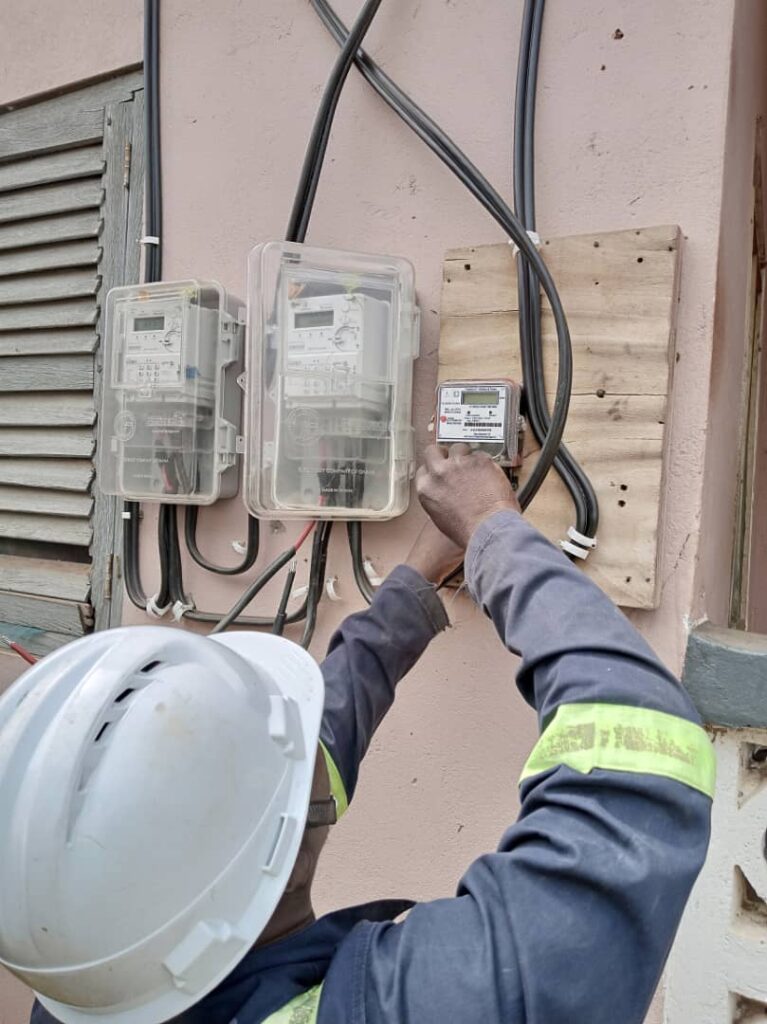
Power utilities are now prohibited from disconnecting electricity supply to the public without prior notice, while disconnections on Fridays and weekends have been banned under new rules introduced by the Electricity Control Board (ECB).
The updated regulations, which revise the 2016 regulatory framework, apply to all licensees, including Regional Electricity Distributors (REDs), municipalities and NamPower. The changes are aimed at strengthening consumer protection while improving regulatory enforcement across the electricity sector.
Under the new rules, power utilities are required to provide customers with at least 24 hours’ notice before disconnecting electricity supply for non-payment.
The prohibition on Friday and weekend disconnections is intended to prevent consumers from being left without electricity at times when they are unable to settle accounts or contact service providers.
Speaking at a validation workshop for the draft tariff methodology, ECB Consultant Jackie Scholtz said the revised framework represents a shift from lengthy criminal proceedings towards a more responsive administrative penalty system designed to improve accountability in the energy sector.
“They also allow for the imposition of administrative penalties for non-compliance. This is intended to ensure a more effective regulatory response. A once-off fine for non-compliance may be imposed, which does not have to be applied in every case but can be up to N$50,000, depending on the gravity of the breach. In addition, ongoing penalties of up to N$5,000 per day may be imposed for as long as the non-compliance continues,” Scholtz said.
She said the penalties are aimed at addressing critical operational failures, including financial mismanagement, failure to ring-fence electricity accounts from other municipal funds, illegal customer disconnections and failure to comply with formal ECB directives.
The framework also strengthens enforcement measures available to utilities against consumer-level violations. Licensees will be permitted to incorporate ECB-approved penalties into their tariffs to address offences such as meter tampering, illegal bypassing or interference with measuring equipment, and unauthorised reconnections following lawful suspension of supply.
“Under the new, more durable and more detailed enforcement regime, the focus will shift towards administrative penalties. This will enable the regulator to issue various types of directives to customers or licensees in the event of non-compliance. It also allows for the imposition of administrative penalties for such violations,” Scholtz said.
The ECB said the new enforcement framework will enable the regulator to impose fines of up to N$50,000 on power utilities that fail to comply with national economic and regulatory standards, as part of efforts to strengthen oversight and improve service delivery across the sector.