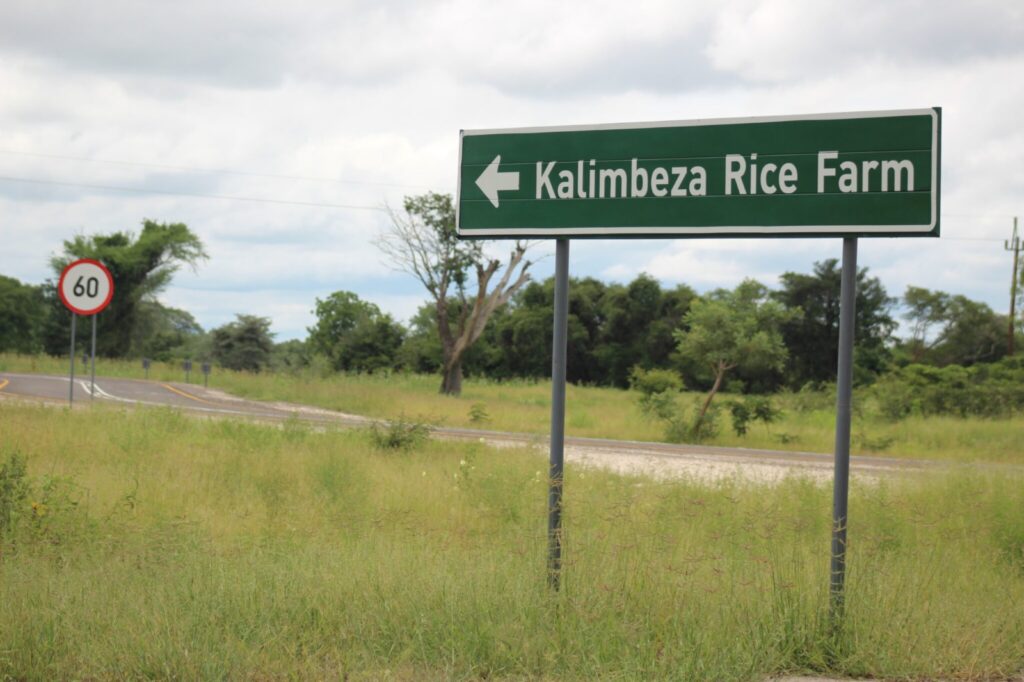
The Kalimbeza Rice Project has ground to a halt due to inconsistent funding, broken machinery and operational inefficiencies, despite having significant production potential, a parliamentary committee has heard.
The project covers 229 hectares, of which 150 hectares are suitable for rice production. However, output remains far below capacity as a result of prolonged equipment breakdowns, lack of repair funding and vandalism.
Project Manager Patrick Kompeli told Parliament’s standing committee on natural resources that damaged fencing has allowed livestock from surrounding communities to enter the fields and destroy crops.
He said poor water distribution has further undermined production, despite soil levelling work carried out in preparation for irrigation.
“In addition, water distribution has not met expectations, even though the Ministry of Agriculture, Fisheries, Water and Land Reform appointed a consultant to level the soil in preparation for irrigation scheduled between August and January,” the committee said in its report.
“The project plans to harvest short-variety rice between March and April, and long-variety rice between April and May.”
The committee reported that in October 2024, the project planted 38 hectares of rice and harvested 180 tonnes of raw produce. However, the rice remains unprocessed because the processing machine has been out of service for several months.
Although funds were allocated in 2024 for the purchase of a new processing machine, procurement has not yet been finalised. The absence of a suitable warehouse has compounded the problem, leaving harvested rice exposed to pests, dust and spoilage, and increasing the risk of rejection by retailers.
The committee was further informed that lengthy and centralised procurement processes, a lack of petty cash and delayed decision-making from Windhoek continue to hinder timely repairs and day-to-day operations. Project management called for the decentralisation of the scheme to allow for independent operational control, warning that the current arrangement threatens its long-term sustainability.
Concerns were also raised about the implementation of the 2021 decision to dissolve AGRIBUZDEV, with the process described as poorly coordinated and economically damaging.
Of the N$18 million budgeted for the Kalimbeza Rice Project, N$8 million was reportedly allocated to consultancy fees, a level of expenditure the committee questioned.
“The implementation of government policy to dissolve AGRIBUZDEV in 2021 has taken a disastrous route,” the report said. “While the decision itself is commendable, the implementation lacks strategic direction and has been prolonged. This is frustrating, and the ramifications are leading to economic damage.”
The committee said the funding structure and governance arrangements require urgent review if the project is to return to productive operation.