More than N$6 billion in potential value from grain irrigation, fruit exports and agro-processing remains untapped in Namibia’s horticulture sector, according to the Namibia Agronomic Board (NAB).
The NAB said the domestic fruit and vegetable market is valued at about N$2.3 billion a year, highlighting the sector’s economic importance despite persistent structural constraints.
“High production costs, weak processing and logistics infrastructure, limited access to finance, and phytosanitary challenges continue to constrain growth and export competitiveness,” the board said.
According to the NAB, formally marketed local horticultural production is projected to increase from 34% to 37% in 2025, representing a 3% rise in local market participation.
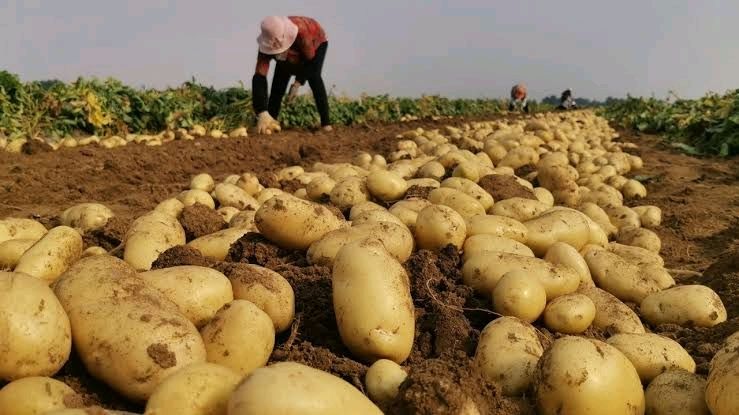
The board said that while overall demand is expected to decline slightly by 3%, production gains are anticipated in the citrus and potato value chains during the period under review.
These gains are linked to the NAB’s Potato Value Chain Development Scheme and Agribank’s Potato Value Chain Finance Initiative, with the board indicating that tangible impacts are expected from 2026.
The update comes as horticultural export volumes have tripled since 2016 and are projected to grow by a further 5% in 2025, supported by improved production capacity, the NAB said.
The board attributed this performance largely to replanted grape vines entering production, alongside growing exports of citrus, dates and blueberries.
According to the NAB, grapes account for 64% of Namibia’s horticultural export volumes, followed by vegetables such as tomatoes, onions, peppers and butternut.
To address long-term constraints, the board said it has introduced a N$250 million Crop Value Chain Development Strategy aimed at strengthening the crop value chain by 2030.
The NAB said drought remains the primary risk to grain production, although it described the outlook for the 2025/26 season as promising.
“With favourable rainfall, targeted policy interventions and sustained investment, Namibia is well positioned to strengthen food security, reduce import dependence and expand agro-processing,” the board said.
Separately, the NAB said pricing remains a challenge for many small-scale horticultural producers, often affecting sustainability and profitability.
In response, the board said it had, in collaboration with the Namibian Association of Traders in Fresh Produce, concluded training on price determination in the Zambezi, Kavango and North Central production zones.
More than 170 participants attended the sessions, which the NAB said were aimed at improving pricing decisions and strengthening the business skills of small-scale producers.