TransNamib Chief Executive Officer Desmond van Jaarsveld says the remanufacturing of 20 locomotives is expected to cost about 60% of the price of procuring new units, delivering significant savings for the national rail operator.
Van Jaarsveld said TransNamib will spend up to N$48.9 million per locomotive, bringing the total cost of the remanufacturing programme to about N$978 million. By comparison, procuring 20 new locomotives would cost about N$67.4 million per unit, or roughly N$1.34 billion.
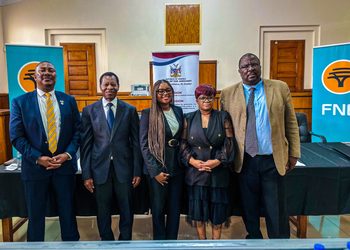
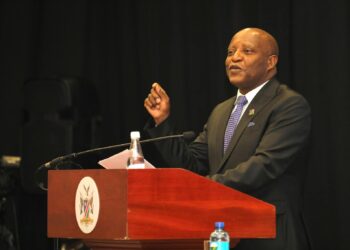
Speaking during an engagement with the Minister of Works and Transport, Veikko Nekundi, and Botswana’s Minister of Transport and Infrastructure, Noah Salake, van Jaarsveld said the remanufacturing process effectively produces a locomotive equivalent to a new unit.
“We will remanufacture 20 locomotives. This will cost about 60% of the price of procuring new units. In the process, we reuse only the chassis and the bogies after they have passed inspection. All other components are replaced, meaning the end product is effectively a brand-new locomotive,” he said.
He said the initiative follows TransNamib’s earlier announcement that it plans to invest N$1.7 billion to acquire 23 new locomotives as part of a wider fleet upgrade to strengthen Namibia’s rail transport capacity.
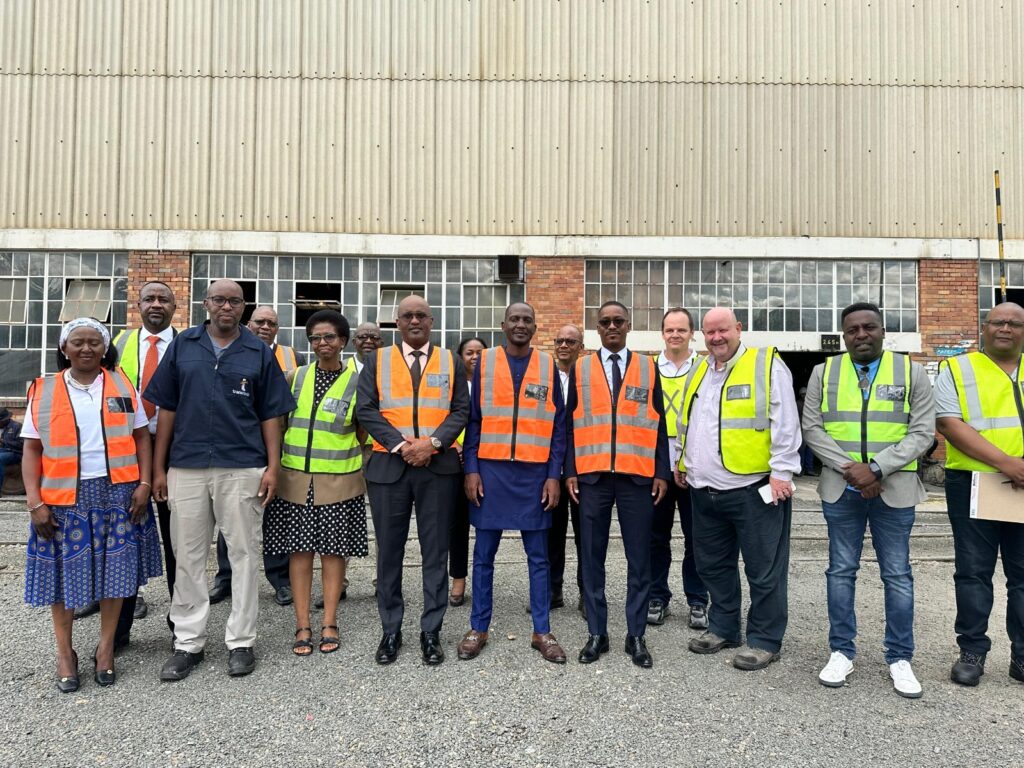
Van Jaarsveld said work on the remanufacturing programme has already started, with teams currently stripping and inspecting the first locomotives. Two units are close to completing the initial stripping phase, while work on a further two has begun.
Each remanufacturing cycle is expected to take about nine months, significantly shorter than the roughly 24 months required to procure new locomotives. This, he said, will allow a faster return of locomotives to active service.
“This is one of the major advantages, as it significantly reduces turnaround time and allows remanufactured locomotives to return to service much faster. We are targeting October or November next year to have the first remanufactured locomotives back on the tracks, and we are confident we can meet that timeline,” van Jaarsveld said.
In addition to remanufacturing, TransNamib has completed the refurbishment of two locomotives. Van Jaarsveld said refurbishment involves reconditioning existing components to restore functionality and offers a quicker but more limited solution.
However, he said refurbishment alone is no longer sufficient, as some locomotives in the fleet are more than 50 years old, prompting a shift towards full remanufacturing.
“While refurbishment has its place and can quickly return locomotives to operation, our long-term solution lies in remanufacturing. Remanufacturing allows us to retain only the bogies and chassis while replacing all other components,” he said.
Van Jaarsveld said the programme will initially depend on international technical expertise, with potential partners, mainly from Asia, already identified and negotiations under way. A key condition of the partnerships will be skills and technology transfer, with the goal of achieving full local remanufacturing capability within two years.