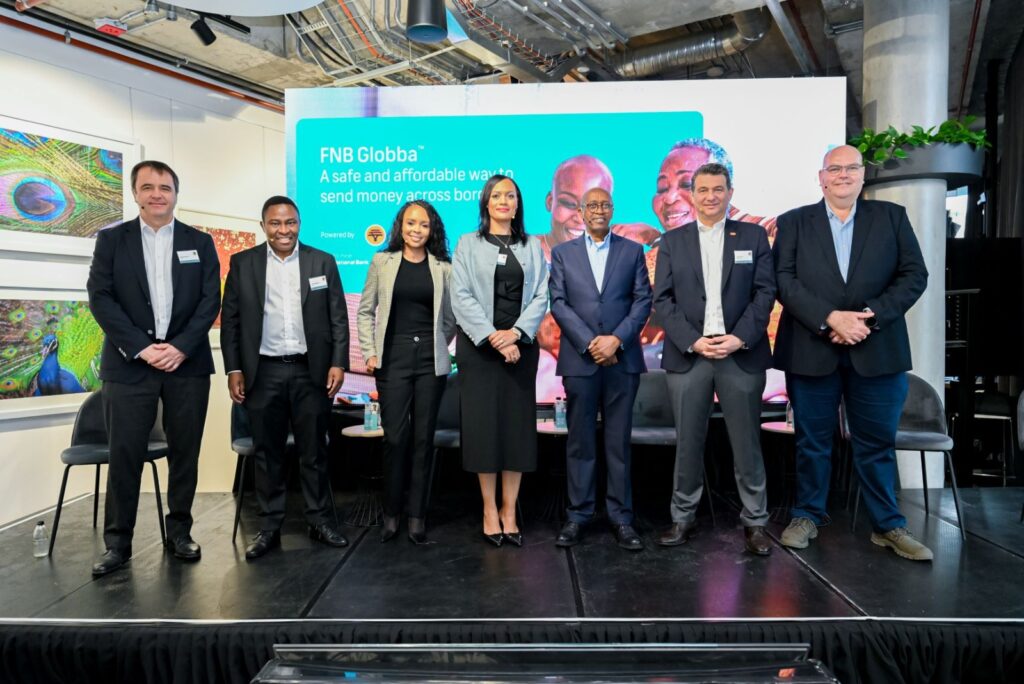
FNB and Mastercard intend to continue collaborating to expand the Globba™ cross-border payment service across FNB’s African network, subject to regulatory approvals.
The two organisations confirmed the plan as they launched the platform in South Africa, positioning it as a faster and more secure way for customers to send money abroad.
Globba™, now available on the FNB and RMB Private Banking apps, is powered by Mastercard Move and supports fast, transparent and traceable payments to more than 120 countries.
According to FNB, the service strengthens major African remittance corridors including Zimbabwe, Malawi, Mozambique and Ghana, while also providing near-instant access to a wide range of international destinations via bank accounts, mobile wallets and cash pick-up points.
Lytania Johnson, CEO of FNB Personal Segment, said the platform responds to growing customer demand for dependable cross-border payment solutions.
“Globba™ represents a powerful platform for inclusion, speed and transparency. Our customers are Pan-African and globally connected – they value efficiency, security and innovation. Globba™ delivers on all fronts,” she said.
Mastercard said the partnership gives customers greater choice in how they move money across borders.
“Cross-border payments are the cornerstone of Africa’s digital economy. With Mastercard Move’s innovative solutions, we’re empowering FNB customers with greater choice and flexibility in how they send money. This enhances transparency and builds confidence in cross-border transactions,” Onur Kursun, Executive Vice President for Commercial and Payment Flows EEMEA.
Mastercard Move supports domestic and international transfers to more than 200 countries and territories in over 150 currencies, with reach covering more than 95% of the world’s banked population.
FNB and Mastercard said the launch of Globba™ reflects their shared commitment to developing next-generation payment solutions at competitive pricing.
The announcement comes ahead of South Africa’s G20 Finance Track meetings in November, where modernising cross-border payments is expected to be a key issue.