By Modest Ipangelwa
Late Millennials and Gen Z, typically those born between 1990 and 2012, managing them requires more than just leadership titles and motivational speeches, they demand emotional intelligence, adaptability, and a willingness to understand a generation shaped by constant change.
They are entering the workforce in large numbers across Namibia and the continent. They bring digital fluency, creativity, and an unshakable sense of independence.
But as organizations navigate technological and cultural disruption, many leaders are making the same mistakes that alienate and demotivate this vital generations.
When I observe workplaces today, I often notice a clear tension between older management styles and Late Millennials & Gen Z’s expectations.
Traditional leaders tend to emphasize hierarchy, fixed processes, and long-term loyalty to institutions. The late Millennials and Generation Z, on the other hand, values flexibility, authenticity, and purpose-driven work.
They have grown up during an era where technology has replaced tradition, where side hustles are as important as full-time jobs, and where personal development often outweighs job security. Yet, instead of tapping into this mindset, many leaders try to “fit” Late Millennials and Gen Z into old systems, and that’s where the mistakes begin.
One of the most common mistakes leaders make is failing to listen. Late Millenials and Gen Z employees expect to be heard and understood. They grew up in the age of instant feedback — on social media, in classrooms, and in the digital world. When they enter a workplace where their opinions are ignored, or where ideas are dismissed simply because of age or experience, they disengage quickly.
Disruption demands collaboration, and these two generations wants to co-create solutions, not merely follow outdated instructions. Managers who invite them into conversations, ask questions, and show curiosity about their perspectives will find not only engagement but innovation.
The second mistake is treating technology as a threat rather than a tool. Many organizations are still trying to adapt to digital transformation, while the late Millennials and Gen Z has been immersed in it since childhood. They expect seamless digital processes, from internal communication tools to data-driven decision-making.
When workplaces rely on outdated systems or dismiss digital innovation as “unnecessary,” they create friction with employees who see efficiency as essential. In an age where disruption defines markets, failing to empower the most digitally native generation is a costly leadership oversight.
Another pitfall is ignoring purpose and values. For many in Late Millennials and Generation Z, work is not just about earning a salary, it’s about making an impact. They are drawn to employers whose values align with theirs, whether in sustainability, inclusivity, or social responsibility. Organizations that focus only on profit without articulating a larger mission risk losing young talent to more progressive, purpose-led environments. In the midst of disruption, where industries are shifting and uncertainty looms, the Millennials and Gen Z looks for leaders who stand for something real.
There’s also a growing issue of micromanagement, which is deeply counterproductive. The Late Millennials and Gen Z values autonomy and wants to be trusted with results rather than watched over for every task. They seek flexibility in how they work, not because they reject discipline, but because they see productivity differently. Allowing them to work remotely, explore innovative methods, or manage projects in their own style often leads to higher performance. Leaders who insist on rigid structures and traditional control lose credibility with a generation that thrives on creativity and self-direction.
However, managing the Millennials and Gen Z isn’t about abandoning all structure or traditional wisdom. It’s about balance and inclusion. Older generations bring experience, resilience, and a deeper understanding of institutional systems. When combined with the late Millennials and Gen Z’s tech-savvy mindset and fresh perspectives, this intergenerational collaboration can drive true innovation. The challenge is to build bridges, not barriers.
In a world where disruption is the new normal; from AI and fintech revolutions to shifting cultural values, managing the late Millennials and Gen Z effectively is not optional; it’s strategic. Leaders must become learners again, willing to unlearn outdated habits and adopt new ways of engaging people. They must recognize that curiosity, empathy, and flexibility are not weaknesses but essential leadership skills in an age defined by change.
The organizations that will thrive in the next decade are those that stop trying to mold the late Millennials and Gen Z into the past and instead empower them to co-create the future. Managing the late Millennials and Generation Z, therefore, is not about control, it’s about connection. It’s about leading with openness, fostering belonging, and embracing the disruptions that redefine how we work and live. In doing so, leaders not only gain the loyalty of a new generation but also unlock the very innovation needed to stay relevant in a rapidly changing world.
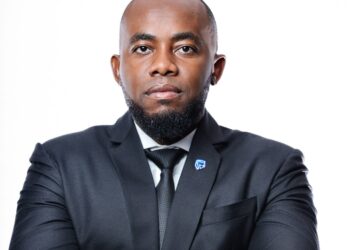
* Modest Ipangelwa is a Coverage eBanker for First National Bank and FinTech Expert.