The Ministry of Agriculture, Water and Land Reform (MAFWLR) has announced that 462 active fishing rights will be evaluated before their expiry in 2026 and 2027.
Minister of Agriculture, Water and Land Reform, Inge Zaamwani, said 162 rights granted in 2012 are due to expire on 31 December 2026, while the remainder, allocated in 2020, will lapse on 30 May 2027.
“Prior to the expiry of these fishing rights, the Ministry shall evaluate the performance of these fishing rights consistent with prescribed performance criteria. I commit that sufficient notices shall be sent out to the Right Holders before the end of the current financial year, 2025/2026,” Zaamwani said during a consultation with the fishing industry.
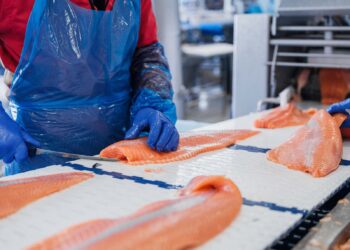
She noted that the sector employed over 19,440 Namibians in 2024, with 71% engaged in onshore operations. Women accounted for 45% of the onshore workforce, compared to only 140 people employed offshore.
Namibia’s fishing industry generated N$13.8 billion in export earnings in 2024, a slight decline from N$14.1 billion in 2023, despite lower catch volumes. Zaamwani said the sector contributed 4.1% to GDP in 2024, down from 4.5% in 2023, largely due to reductions in the Total Allowable Catches (TACs) for key species such as hake and horse mackerel.
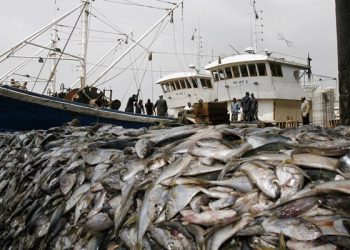
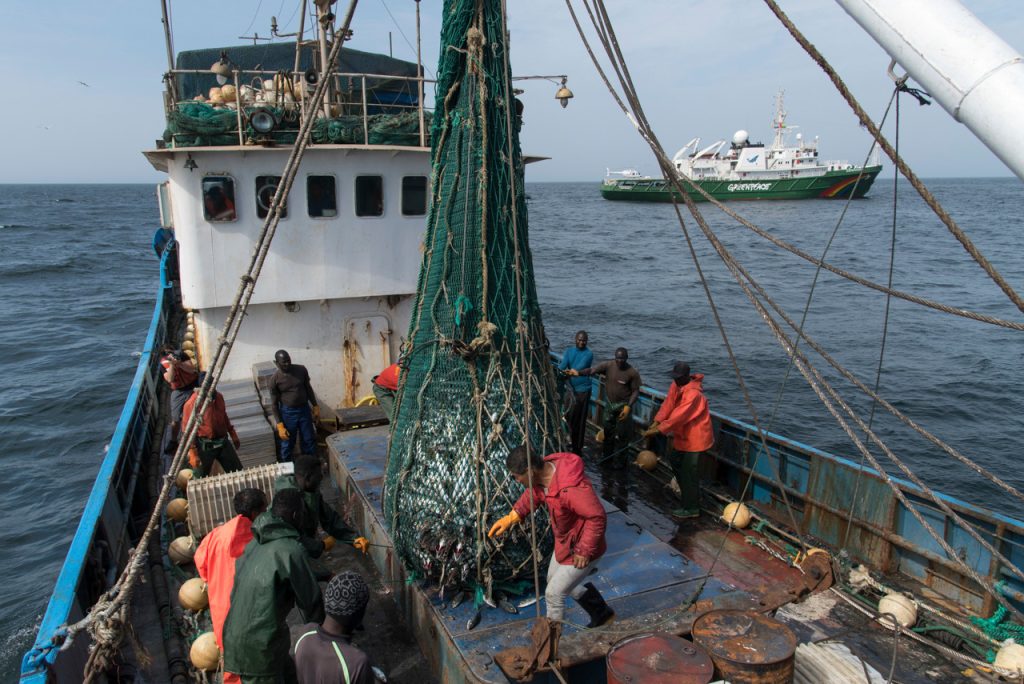
The 2024 TAC was set at 438,080 metric tonnes, down from 457,380 metric tonnes in 2023, resulting in total landings of 429,013 metric tonnes. The industry nevertheless operated with a fleet of 235 vessels and 30 onshore processing plants, producing more than 39 value-added fish products.
“The stability of Namibia’s fishing industry is paramount. It is the foundation upon which the livelihoods of countless Namibians depend. However, factors such as fluctuating quotas owing to declining biomass, illegal, unreported and unregulated fishing (IUU) and other external pressures have created uncertainty,” she said.
Zaamwani added that the government remained committed to sustainability, inclusivity and long-term stability in the sector. She cited stricter bycatch management rules, a review of the quota system and plans to increase domestic fish processing to 45% within five years under the National Development Plan 6.