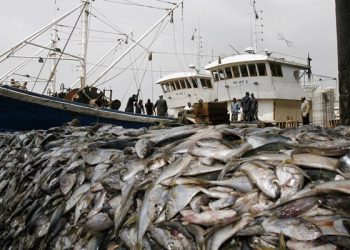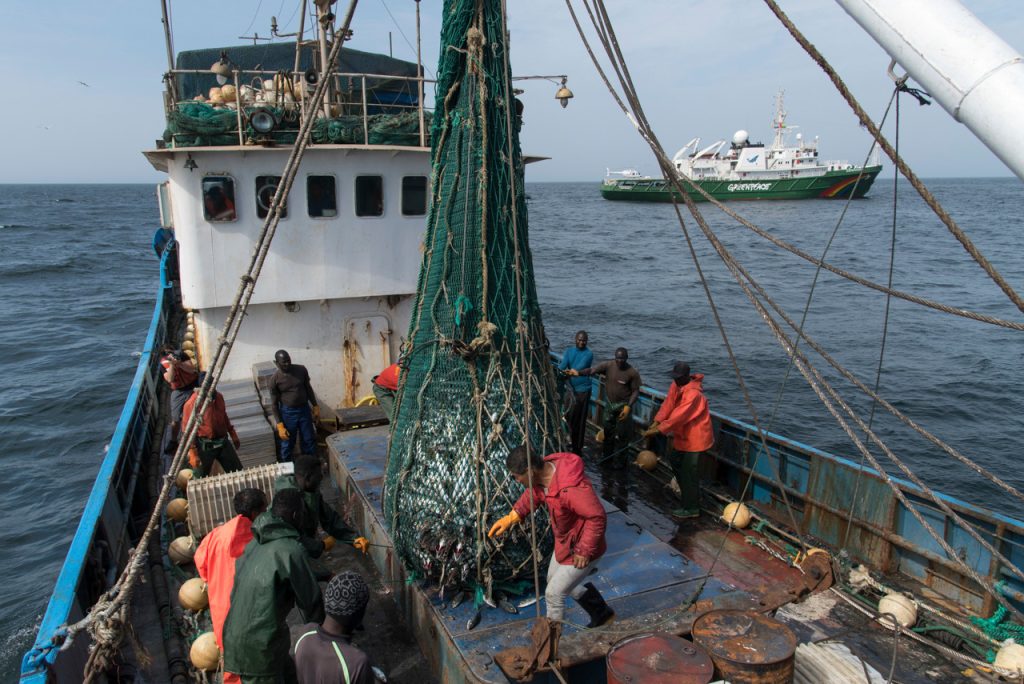
The Namibian Cabinet has approved a raft of new penalties and enforcement measures aimed at reducing the unintentional capture of non-target marine species, known as bycatch, in the country’s fisheries sector.
Minister of Information, Communication and Technology, Emma Theofelus, announced the decision during a recent Cabinet briefing, stating that the measures are intended to safeguard Namibia’s marine resources and promote sustainable fishing practices.
“Cabinet approved for the Ministry of Agriculture, Fisheries, Water and Land Reform to impose actionable measures to reduce bycatch levels and implementation of measures to safeguard Namibia’s marine resources,” Theofelus said.
Among the key changes is the introduction of a 2% bycatch threshold, meaning fishing companies will only be allowed to retain up to 2% of their catch as bycatch.
Any amount above this limit will be subject to forfeiture at no cost to the government and may be used to support governmental objectives.
Additionally, bycatch penalty fees will be raised from the current 15% to 50% under Section 44 of the Marine Resources Act.
Theofilus noted that the revised framework includes tougher consequences for repeat offenders, who could face the suspension or permanent revocation of their fishing licences depending on the severity of their non-compliance.
Other enforcement measures include quota deductions, confiscation of fishing gear, and seizure of vessels in cases of serious or repeated breaches.
In a further effort to deter malpractice, the ministry will publish an Annual Public Listing of Bycatch Violators, naming companies that exceed bycatch thresholds.
The decision comes in response to growing public concern over rising bycatch levels. While vessels are currently instructed to relocate when high bycatch is observed, some operators are suspected of deliberately targeting vulnerable species, undermining marine conservation efforts.
Minister of Agriculture, Fisheries, Water and Land Reform, Inge Zaamwani-Kamwi, said the existing enforcement regime was failing to deter illegal fishing. She stressed the need for stronger penalties to ensure compliance and support the recovery of affected species