Namibia loses more than 50% of its water during distribution due to ageing infrastructure and other supply losses, Minister of Agriculture, Fisheries, Water and Land Reform Inge Zaamwani has revealed.
Speaking at the Third Namibia Regional Water Symposium in Swakopmund on Tuesday, Zaamwani warned that the losses were worsening water security challenges in the already water-stressed country and called for urgent improvements to distribution infrastructure.
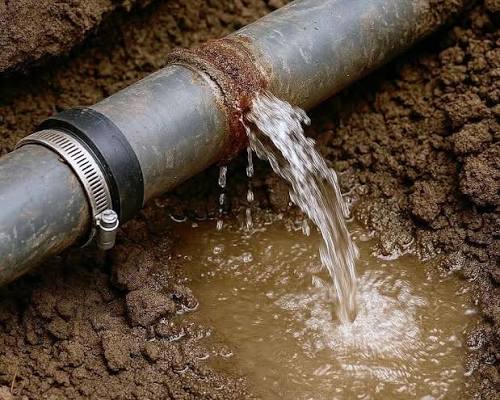
She said the losses were linked to ageing infrastructure and conditions affecting water distribution, adding that reducing them should form part of the country’s efforts to secure reliable water supplies.
“50% of the water that we put in our pipeline to supply our community get lost. Because the structure are aged or because of high the heat that actually take the water away from the canals. So we really have to work together to reduce the water losses. It is not fair that we are already a water stressed country and more than 50% of our water is lost in the process of supply,” Zaamwani said.
South African Minister of Water and Sanitation Pemmy Majodina also raised concerns about water losses across Southern Africa, saying ageing infrastructure and leaking pipelines were reducing the amount of water reaching households.
Majodina said between 35% and 45% of treated water was lost across the region before reaching homes, highlighting the need for infrastructure rehabilitation and investment in monitoring systems.
“Across Southern Africa, we lose between 35% and 45% of our created water before it reach our homes. Not because there is no water. Because our pipes are leaking, our infrastructure is aging because that infrastructure was not meant for us,” Majodina said.
The concerns come as figures from Namibia’s 2023 Population and Housing Census show that 91.4% of households have access to safe drinking water, while 8.6% remain without access.
Zaamwani said addressing water losses should form part of broader measures to improve water security, including protecting groundwater resources, improving water metering and expanding the safe reuse of wastewater.
She also called for practical commitments from stakeholders, including clearly defined priorities, responsible institutions, financing requirements and implementation timelines.
The symposium brought together government representatives, industry players, water-sector institutions and other stakeholders to discuss measures to strengthen water security.
Discussions covered water infrastructure, desalination, groundwater management and water reuse.